 Afət Ziyadqızı

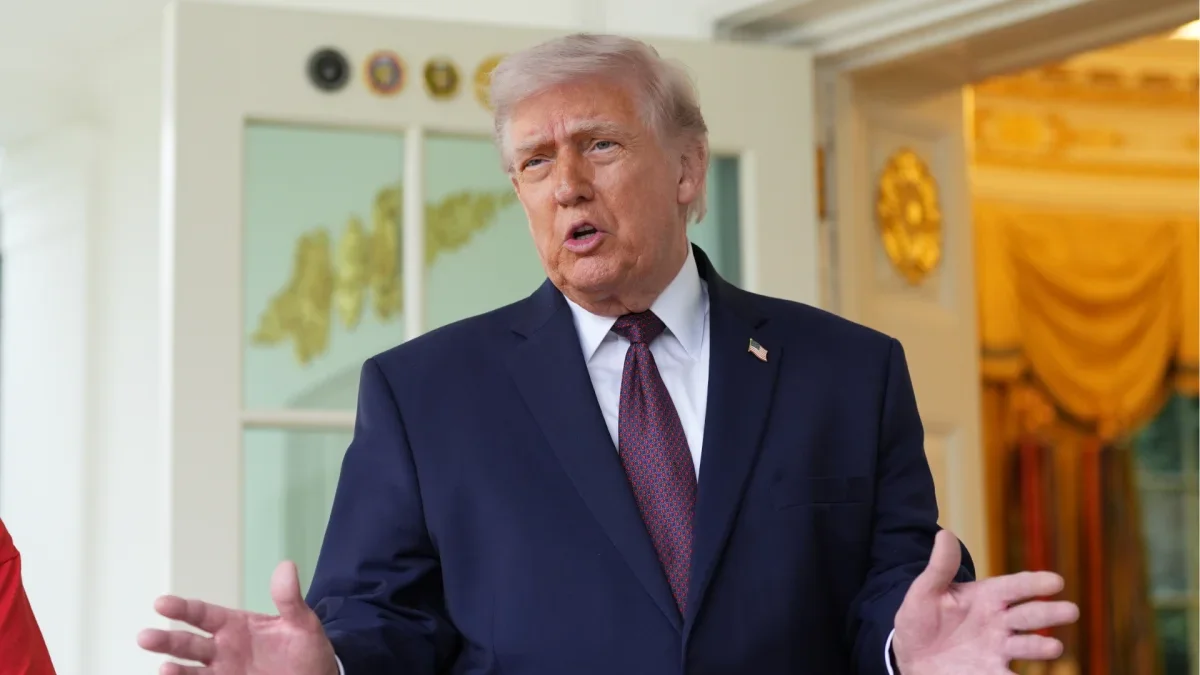
US President Donald Trump has issued a significant statement regarding the Strait of Hormuz amidst ongoing tensions with Iran.
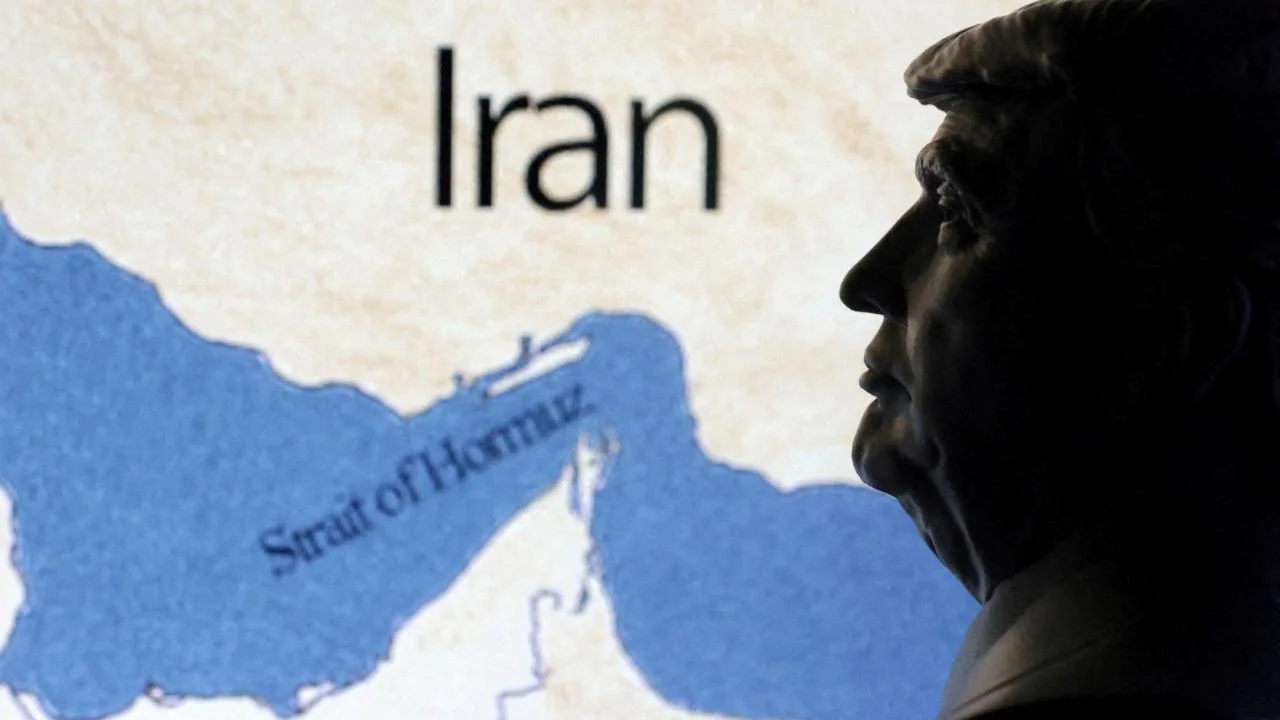
According to the Operative Information Center-OMM, President Trump shared a map on his social media account presenting the Strait of Hormuz as a new "US zone." He asserted that a naval blockade is in full effect in the region, claiming that the strait is secure for vessel passage and that all naval mines have been cleared or neutralized.
President Trump further clarified that no negotiations are currently underway with Iran, nor are any such contacts planned in the near future. US Special Envoy Jared Kushner also indicated that Iran has shown no interest in reaching an agreement under the current conditions.
Official Tehran has responded sharply to these declarations. In a statement to state media, Iranian Parliament Speaker Mohammad Bagher Ghalibaf refuted President Trump's claims.
Ghalibaf stated that the restoration of traffic through the Strait of Hormuz would not be possible until the US lifts the naval blockade, terminates imposed sanctions, and releases frozen Iranian assets.
The escalation of tensions in this strategic waterway is significantly impacting international trade. According to data from Kpler, while the Strait of Hormuz typically saw 130-140 vessels pass through daily before the conflict, that figure dropped to just 10 vessels on Monday.
Diplomatic efforts in the region have also yielded little progress. Reports suggest that discussions between Oman and Iran have faced strong opposition from Washington. Consequently, the deadlock in diplomatic efforts to de-escalate tensions between the US and Iran has heightened concerns that the situation in the Strait of Hormuz could reach a critical tipping point. The Strait of Hormuz is a vital chokepoint for global oil supplies, with a significant portion of the world's petroleum passing through its narrow waters daily, making any disruption a matter of global economic concern.