OMM Newsroom

US President Donald Trump has eased sanctions on Russian diesel exports and announced an agreement on an energy ceasefire between Russia and Ukraine, seeking to lower fuel prices ahead of the midterm elections in November. It remains unclear whether Moscow will deliver the promised volumes or whether the move will have a significant impact on the market.
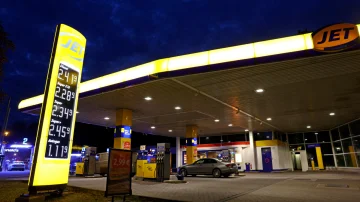
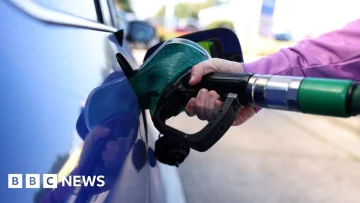
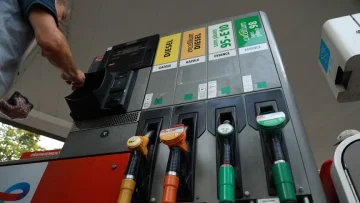
Rising diesel prices have put pressure on truck drivers and farmers in the United States, bringing fuel costs into focus ahead of the elections on November 3. Following Trump’s statements, US diesel prices fell 0.5% on Monday, October 12. The longer-term impact of additional supplies from Russia remains unknown.
How much diesel can Russia supply?
Trump said Russia would immediately release more than 300,000 metric tons of diesel—2.25 million barrels—to US and global markets. That volume is small compared with US demand: according to the US Energy Information Administration, the country’s transportation sector consumes about 2.94 million barrels of diesel a day. The initial supply could therefore meet demand for less than a day.
Trump also said Moscow would send another 500,000 metric tons in November, followed shortly afterward by an additional 1 million metric tons. Together, those two additional shipments would cover less than four days of diesel demand from the US transportation sector.
Easing sanctions does not guarantee that Russian diesel will reach international markets. Most tankers remain under sanctions, making it difficult to transport the fuel. Ukrainian drone strikes have also damaged Russian refineries, raising doubts about whether the promised volumes can be produced and delivered.
Before Ukraine began attacks on refineries in 2024, Russia could export about 100,000 metric tons of diesel a day. Damage to processing facilities disrupted production, prompting Moscow to restrict exports in July to protect domestic supplies. The ban on exports to countries without bilateral agreements was extended until October 31. Supplies have continued mainly to countries in Central Asia that maintain friendly relations with Russia.
Industry sources say Russia could meet Trump’s initial request for 300,000 metric tons if Ukraine stops striking refineries. Restarting one of the large refineries in European Russia damaged in drone attacks could also enable Moscow to produce that volume of diesel in October.
Economic and political impact of the deal
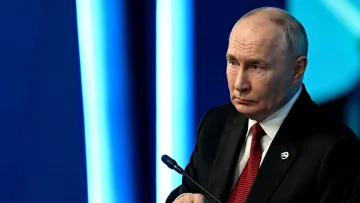
Increased diesel exports could bring Russia additional revenue, but the direct effect on the state budget is expected to be relatively limited. Russian President Vladimir Putin said Ukrainian attacks on oil refineries had caused damage to the country’s economy equivalent to 1% of gross domestic product. Reuters estimates the loss at about $26.6 billion.
Exports of 300,000 metric tons of diesel could generate about $400 million in revenue. However, only a small share of that money would go directly to the Russian government. Moscow’s revenues mainly come from taxes on oil production, rather than exports of crude oil and refined fuel. Russia has about 30 large oil refineries, while Ukraine currently has no operating refinery.
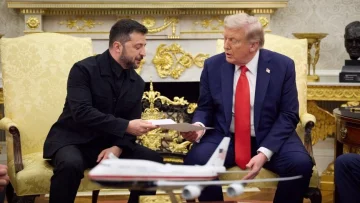
Moscow said on Saturday that it had partially lifted the diesel export ban imposed in July. Ukrainian President Volodymyr Zelensky criticized Trump’s deal with Russia, warning that increased revenue from diesel could encourage Moscow to launch further attacks on Ukraine and lead to more deaths.
The deal has also drawn criticism in the US Congress. Republican Congressman Don Bacon said Washington should impose additional sanctions recently approved by Congress rather than ease existing restrictions. British Prime Minister Andy Burnham said sanctions against Russia would be tightened.
German Foreign Minister Johann Wadephul reaffirmed Berlin’s support for Zelensky after Trump called for the Ukrainian president to be removed from office. Wadephul also called for increased pressure on Moscow to bring it back to peace talks.
The Kremlin said on Monday that discussions on the proposed energy ceasefire were continuing. It has not been stated whether the agreement would cover only oil refineries or other energy infrastructure as well.
China is preparing to resume exports of refined oil products after a brief pause during the “Golden Week” holiday. According to Reuters, export volumes approved for October are below previous levels. China has authorized exports of about 3.7 million metric tons of diesel, gasoline and aviation fuel this month. The volume exceeded 4 million metric tons in September, and this October’s figure is also considerably lower than in the same period last year.
Problems in several major producing regions are putting pressure on the diesel market. Ukrainian drone strikes have damaged Russian processing facilities, while sanctions and transport restrictions have complicated exports. The war involving Iran has further tightened supply by reducing fuel shipments from Gulf countries.
The Group of Seven (G7) countries have agreed, in coordination with the International Energy Agency (IEA), to release fuel from strategic reserves. In March, the 32-member agency organized the largest emergency oil stock release in its history, sending more than 400 million barrels of crude oil and petroleum products to market. The IEA later urged participating countries to release the remaining volumes from that operation to ease pressure on global markets.