OMM Redaksiyası

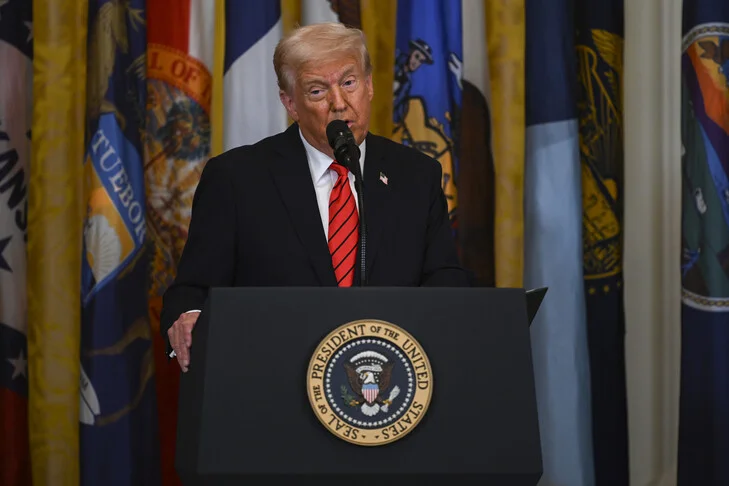
US President Donald Trump’s administration has urged France and Germany to release emergency diesel reserves to help lower global fuel prices. Washington has warned that it could restrict diesel exports from the United States otherwise, according to three sources familiar with the discussions who spoke to Reuters.
Pressure is mounting as Trump considers whether to ban diesel exports to bring down domestic fuel prices ahead of November’s midterm elections.
Washington seeks release of reserves
A source based in a European capital told Reuters that the United States had asked the European Union to release 120 million barrels of diesel from emergency reserves over the next six months.
US officials believe France and Germany have not fully met commitments under previous agreements to release emergency stocks of oil and petroleum products, and are particularly dissatisfied with those countries.
A US official told Reuters: “It is in Europe’s interest to work with the United States as we look at various ways to increase the supply of refined petroleum products and lower costs for consumers.”
Diesel export restrictions under consideration
The US administration’s warning signals growing pressure on European governments as Washington considers restricting diesel exports. The measure is being discussed as a way to increase domestic supply and reduce fuel costs for American consumers.
A reduction in US diesel exports could also affect European markets. The region has become increasingly reliant on fuel supplies from the United States in recent years.
Europe’s reliance on US fuel grows
Europe has increased fuel imports from the United States after banning Russian petroleum products following Russia’s invasion of Ukraine. Disruptions to supplies from the Middle East resulting from the war between the United States and Israel against Iran have further increased that reliance.
As a result, European markets have become increasingly vulnerable to a decline in US diesel exports. Washington is also urging European governments to use their reserves to boost supply and ease upward pressure on prices.