 OMM Redaksiyası

Some of the world’s most influential technology executives, including Elon Musk, Meta CEO Mark Zuckerberg and Nvidia CEO Jensen Huang, have discussed artificial intelligence regulation with US President Donald Trump in recent weeks.
The Wall Street Journal reported the discussions. They took place as proposals for tighter oversight of AI gained momentum, highlighting divisions in the technology industry over how governments should respond to rapidly advancing systems.
The discussions intensified after a proposal put forward in July by Demis Hassabis, CEO of Google DeepMind. The proposal called for the creation of a new regulatory body, led by the United States, to assess advanced AI models and coordinate a slowdown in their development if serious risks emerge.
Anthropic CEO Dario Amodei has backed stricter oversight. He said companies developing advanced AI systems should reduce the pace of development as the systems become more capable and harder to control.
Technology leaders take different approaches to regulation
According to The Wall Street Journal, Musk, Zuckerberg and Huang have opposed some elements of the proposed regulatory approach. Musk, however, supports additional safety measures and has proposed that leading AI companies test advanced models against one another before they are released.
Huang believes existing laws are sufficient. “We don’t need new laws. We don’t need new regulations,” the Nvidia chief said Tuesday at the Salesforce Dreamforce conference in San Francisco.
OpenAI CEO Sam Altman, like Amodei and Musk, has also called for slowing the development of the most powerful AI systems. The calls come amid warnings that the technology could pose catastrophic risks in the future.
Trump calls warnings about AI risks a “hoax”
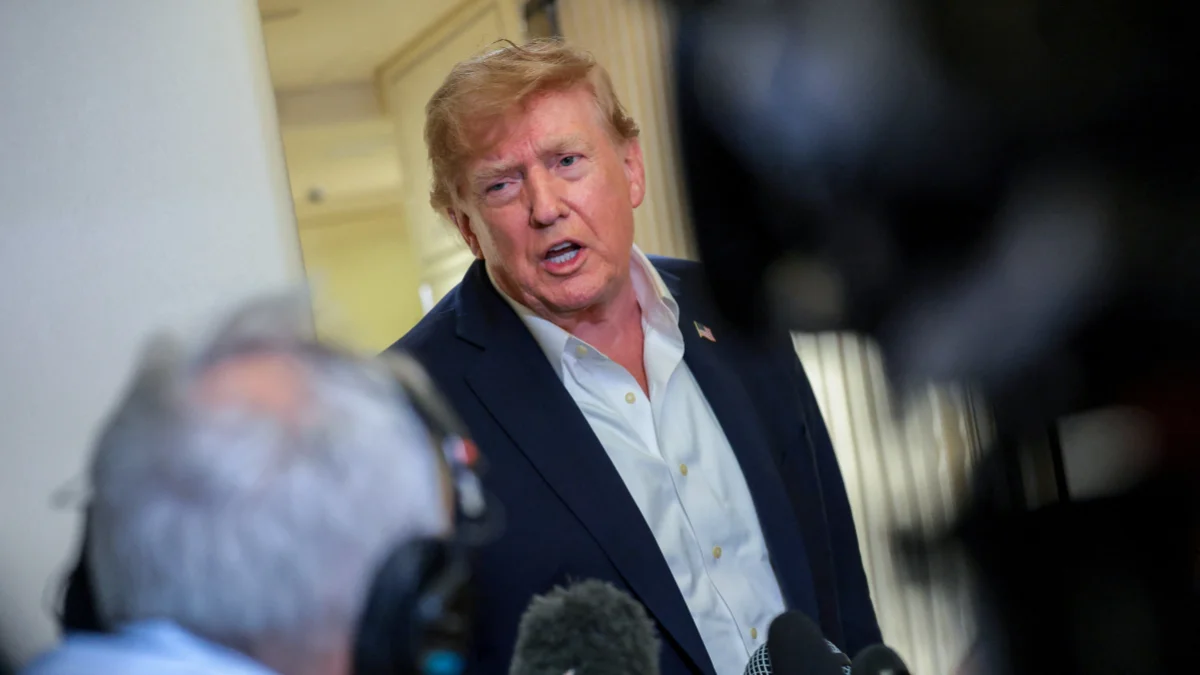
Donald Trump has rejected calls for additional regulation. He said slowing US progress in AI could give China an advantage.
In posts on the Truth Social platform this week, the president called warnings that AI could destroy humanity a “hoax.” Trump said the United States already had sufficient criminal and regulatory powers to oversee technology companies.
He said the only additional “safeguard” needed for AI was a “strong and smart” president, and accused those supporting tougher restrictions of participating in a conspiracy against AI and data centers.
The public debate is taking place amid warnings from scientists and company executives that advanced AI capabilities are developing faster than existing safety mechanisms. Opponents of new restrictions argue that excessive regulation could weaken the United States’ competitiveness in the global AI race.