 OMM Redaksiyası

Malaysia has begun repatriating about 5,000 asylum seekers from Myanmar under a controversial agreement with Myanmar’s military ruler Min Aung Hlaing, according to the BBC.
Three Myanmar navy ships are scheduled to leave Malaysia carrying the first group of 1,476 returnees. Human rights organisations have condemned the move, warning that those sent back could face violence, persecution and forced recruitment into the Myanmar army.
Malaysia says the returns are voluntary, but the UN refugee agency has been barred from meeting or screening the people involved. The returnees have been held in detention centres.
Rohingya refugees among those facing return
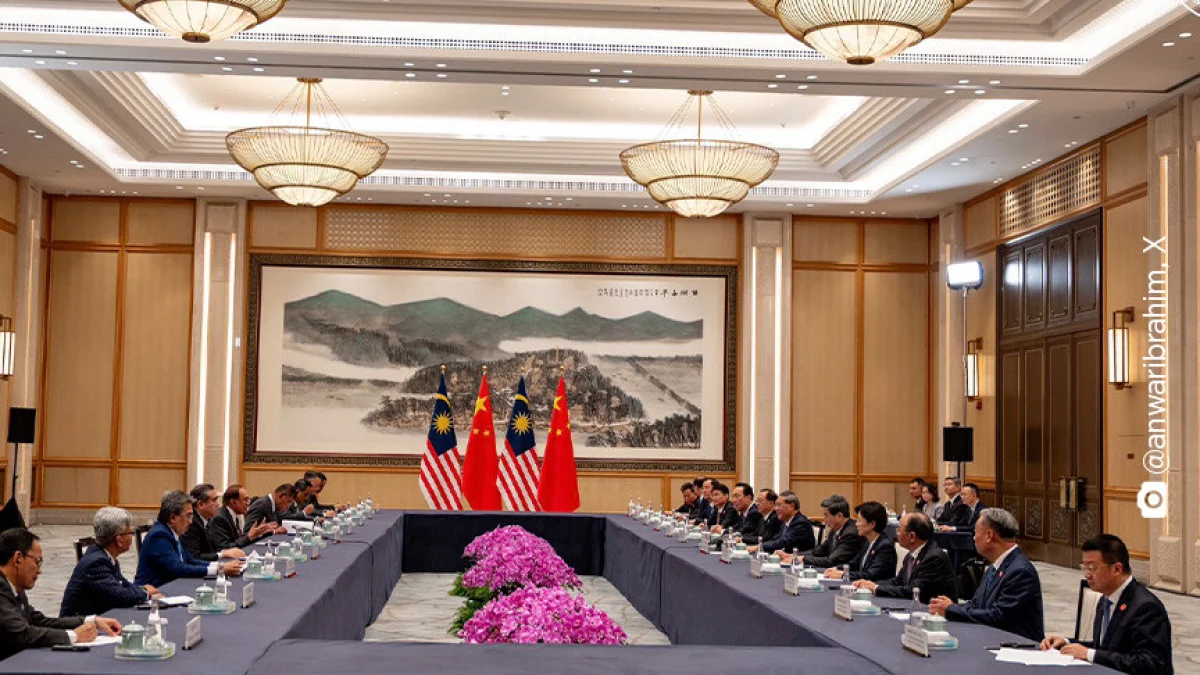
Malaysian Prime Minister Anwar Ibrahim said the group would include Rohingya refugees, a persecuted Muslim minority that has sought shelter in Malaysia after being forced from Myanmar, where Rohingyas are not recognised as citizens.
Anwar said he was responding to growing public hostility towards Malaysia’s large Rohingya population and had no choice but to negotiate with the Myanmar authorities over their return.
The policy marks a significant shift for Anwar, a former political prisoner who previously portrayed himself as a defender of human rights and called for greater support for the Rohingya. Under his leadership, Malaysia has refused to recognise Min Aung Hlaing’s regime and has been among the strongest Southeast Asian advocates of a negotiated end to Myanmar’s civil war.
Economic and political pressure
Public attitudes towards Rohingya refugees began changing during the COVID-19 pandemic, when economic hardship fuelled resentment. Social media campaigns accused Rohingya migrants of contributing to public health and social problems, prompting calls for their deportation.
That hostility intensified in 2026. In May, an online complaint alleging that Rohingyas had failed to dispose of animal waste properly after the Eid al-Adha festival triggered a viral campaign falsely claiming that Rohingya leaders were demanding land and citizenship in Malaysia.
A subsequent Change.org petition calling for Rohingyas to be expelled received more than 400,000 signatures before it was removed.
Anwar has said Rohingyas should be treated humanely, telling a podcast: “We can arrest them, but do not beat, intimidate or humiliate them.” Human rights groups, however, have accused Malaysian officials of mistreatment in immigration detention centres.
He has also insisted that Rohingyas must leave Malaysia, describing them as “a security burden, an economic burden and a source of hostility among the people”.
Former supporters have accused the prime minister of abandoning his principles. Latheefa Koya, a former head of Malaysia’s Anti-Corruption Commission, called the decision “disgraceful, amoral, and shames the nation in the eyes of the international community”.
Anwar took office in 2022 after forming a coalition with former political rivals from the United Malays National Organisation. His popularity has since fallen, while his party lost seats in recent local elections. He must call a general election by early 2028.
“He is in a corner, at his weakest point,” said Tricia Yeoh, director of the Asian Institute for Policy and Engagement at the University of Nottingham Malaysia.
Yeoh said Anwar had been forced to make concessions to his coalition partners amid corruption scandals and divisions within his own party. She added that ethnic Malay voters were responding to a long-standing political narrative that they required special protection from the state, fuelling fear and resentment towards outsiders.
Uncertainty over conditions in Myanmar
It remains unclear how Rohingyas could be safely returned to Myanmar, where they are not recognised as citizens and are subject to severe restrictions on movement and residence.
Rohingyas are allowed to live only in Rakhine State, which borders Bangladesh. Much of the state is controlled by the Arakan Army and has been subjected to repeated bombardment by Myanmar’s air force.
On the day before the repatriation, the Arakan Army said that two bombs had killed 49 people at a market in Kyauktaw.
The only possible destination for the returnees appears to be Sittwe, the state capital. However, the city is besieged and isolated, while Rohingyas there remain confined to impoverished camps facing severe shortages of food and medicine.
Rights groups also fear that men among the returnees could be forcibly conscripted into Myanmar’s military to fight in the civil war.
Neither Malaysia nor Myanmar has explained how these obstacles will be addressed or how the repatriation can comply with humanitarian principles.
“We all dream of being able to return home one day, but we want to return because it is safe and because we choose to — not because we are forced to,” said Nur Sadek, a Rohingya refugee rights advocate.
“For me, the most important thing is that Rohingya and other refugees affected by this decision are listened to and treated with dignity.”