OMM Newsroom
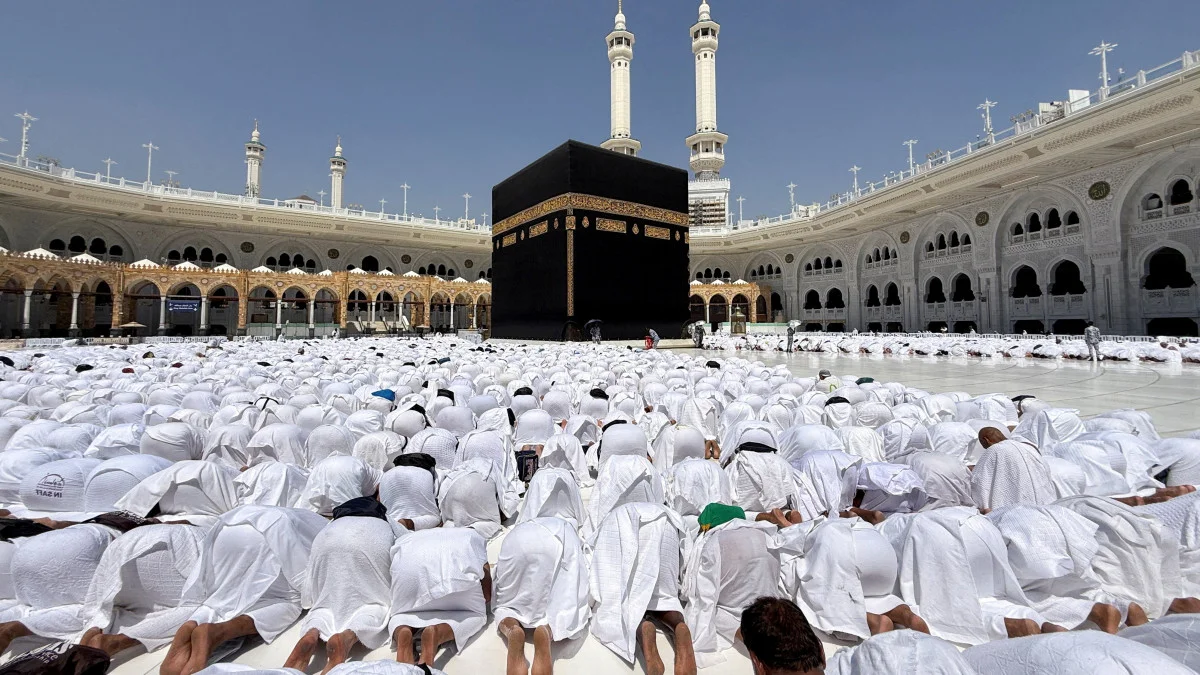
Islam could become the world’s largest religion by 2035, overtaking Christianity for the first time in centuries. Pew Research Center has published new demographic projections, AnewZ reports.
According to estimates by the Washington-based research organization, the number of Muslims worldwide could reach 2.57 billion in 2035, while the number of Christians could rise to 2.52 billion.
Birth rates influence population growth
The projected shift is mainly linked to differences in birth rates. From 2020 to 2025, Muslim women had an average of 3.1 children each, compared with 2.5 among Christian women.
Across other religious groups, the average was 1.6 children per woman. That is below the 2.1 births per woman needed to keep a population stable without taking migration into account.
Pew expects this trend to continue over the coming decades. By 2070, the number of Muslims worldwide could reach 3.6 billion, while the number of Christians could approach 3 billion.
Muslims are projected to make up about 37% of the world’s population at that point, up from 26% in 2020. The share of Christians is expected to remain at about 29%.
Changes in religious affiliation also factored in
Changes in religious affiliation will also affect population growth. Pew estimates that between 2020 and 2070, both Christianity and Islam will lose followers as people change their religious affiliation, but the scale of the losses will differ.
Christianity is projected to lose about 105 million followers due to changes in religious affiliation, while Islam is expected to lose about 8 million.
The report says Hinduism will continue to grow in absolute numbers, although its share of the world’s population could fall to 13.6% by 2070. A similar trend is expected for Judaism. The number of Buddhists and their share of the global population are projected to decline.
People who identify as atheist, agnostic or unaffiliated with any religion are expected to make up 17% of humanity in 2070, down from 24% in 2020.
The projections are based on factors including birth rates, population age structures and changes in religious beliefs. The report notes that the estimates reflect current demographic trends and are not predictions of how people will practice their beliefs in the future.