Afət Ziyadqızı

A new phase in labor relations is taking shape in Azerbaijan. Under proposed amendments to the Labor Code discussed by the Milli Majlis (National Assembly) Committee on Labor and Social Policy, the country would introduce an hourly minimum wage for the first time. The system would apply to contracts lasting less than one month or work schedules of no more than 20 hours a week. The aim is to encourage flexible employment, particularly in agriculture, tourism, domestic services, transportation and IT, and to improve access to the labor market for students, mothers of young children and pensioners.
Against the current monthly minimum wage of 400 manat, how much would one hour of work be worth? Would the system reduce informal employment or simply add a new option in the formal labor market?
Operative Information Center-OMM examined the issue from both economic and legal perspectives.
What do the figures show: how much would an hour of work be worth?
Azerbaijan’s current monthly minimum wage is 400 manat. Based on an average of about 160–167 working hours per month, a simple calculation puts the hourly equivalent at around 2.40–2.50 manat. However, as emphasized in parliamentary discussions, the hourly minimum wage is expected to be set higher than the standard hourly rate calculated from the monthly minimum.
Economist Eldaniz Amirov said setting the hourly wage above 2.50 manat would be economically sound:
“If someone travels somewhere for two hours of work, they incur costs including time spent commuting, transport and other unforeseen expenses. Those costs cannot be covered by 2.50 manat, or 5 manat for two hours. So even with a monthly minimum wage of 400 manat, it is right for the hourly rate to be higher than 2.50 manat. Would that create some burden for businesses? Of course. But paying 4 or 5 manat for an hour—speaking hypothetically—would not bankrupt a business, while it would be significant money for someone leaving home to look for work.”
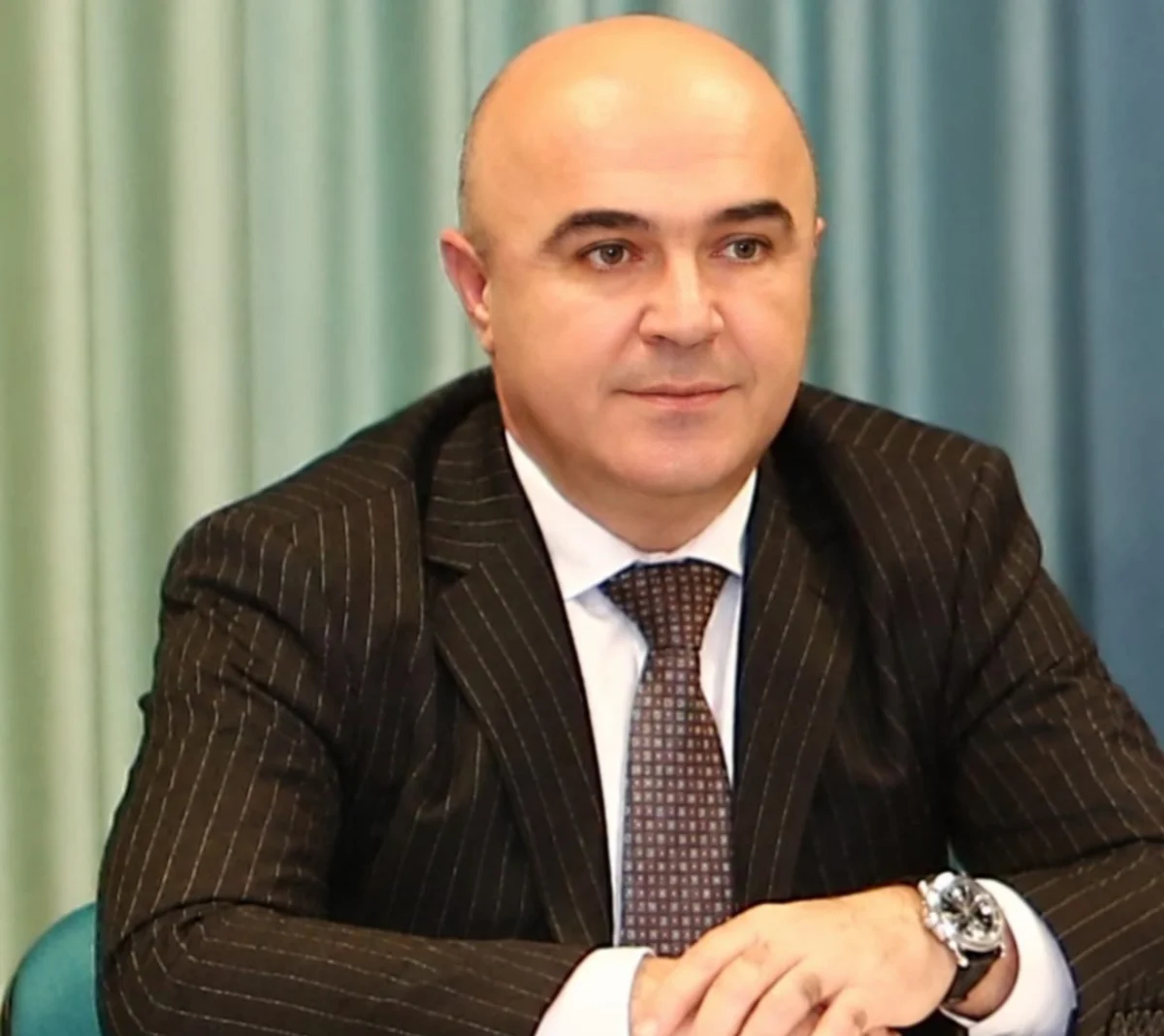
One of the main public concerns is that employers might cut full-time jobs and shift workers to hourly schedules, or that the system might become mandatory across all sectors. Amirov addressed those concerns, saying the system would be voluntary and could also help businesses save money:
“Readers can be assured that there is no question of any compulsion here. An employer can have someone work half the day and still pay the full minimum wage of 400 manat. Previously, there was no choice; now a formal legal option is being created. For example, a business may need an employee to work only a few hours during the month. At an hourly rate—say, 5 manat—it could pay a total of 300 manat for that work. Previously, the minimum-wage requirement would have obliged it to pay 400 manat. At the same time, an hourly system is important for increasing transparency in employment, organizing registration and record-keeping, and tax revenues.”
Legal aspects: How will leave and social insurance rights be protected?
The social protections of hourly workers—including annual leave, sick pay and pensionable service—are another key public concern.
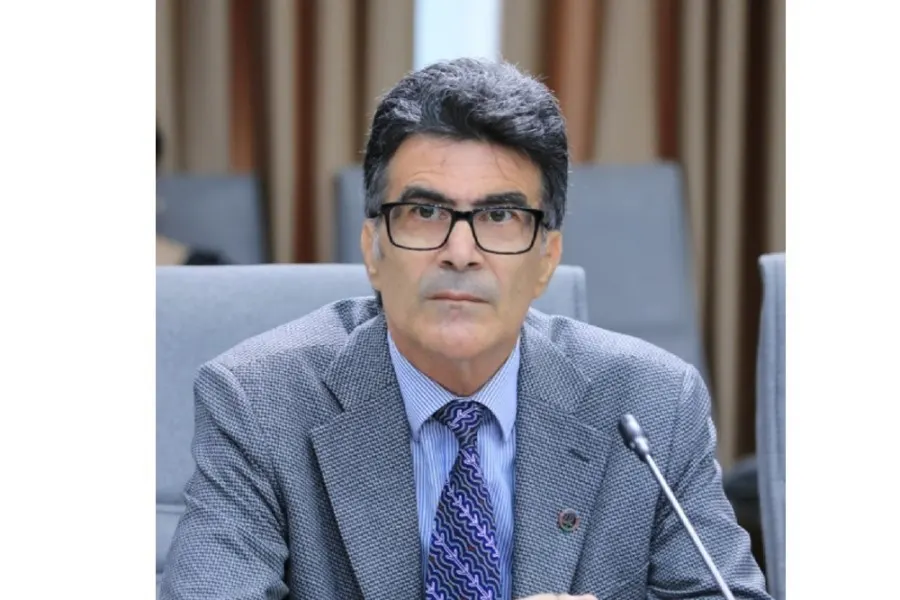
Sahib Mammadov, chairman of the League for the Protection of Citizens’ Labor Rights, said some of the alarm around the proposal was unfounded and that workers’ legal protections would not fundamentally change:
“There will be no obstacles to hourly workers exercising their right to leave, receiving payments for temporary incapacity for work or accessing social insurance. For example, if annual leave is set at 21 days as a standard for everyone, they will also receive 21 days of leave. The payment for leave or sick time will simply be calculated based on the average wage they earned in line with the hours they worked.”
Will it affect the informal labor market?
While discussions have suggested that hourly wages could reduce informal employment—the “shadow economy”—Mammadov takes a more pragmatic view. He said the change would mainly simplify procedures in the formal labor market:
“Even today, any employer can conclude a contract with a worker for part-time work—at 50% (half-time) or 25% (two hours a day). The new system will simply make this mechanism somewhat more flexible. I do not expect upheaval or sharp changes in the labor market. As for possible abuses, the state oversees the formal market, so there should be fewer problems there. In the informal market, people are already made to work 12 hours instead of eight, wages are paid in cash, and double bookkeeping is used. The new system will not have a major effect on the informal market; it will mainly improve regulation in the formal market.”
Conclusion: Who stands to gain?
Our analysis and expert assessments suggest that while an hourly minimum wage would not revolutionize the labor market, it could offer concrete benefits to different parties:
Workers (students, young mothers and pensioners): People unable to work full time could take on official work for part of the day, build up social insurance service and earn a slightly higher hourly rate than the standard monthly-wage equivalent.
Businesses: Employers that need staff seasonally or only during peak hours—for example, in restaurants, tourism, agriculture and courier services—would no longer have to maintain full-time positions.
The state: Bringing short-term and one-off jobs into the electronic employment contract system would increase transparency in tax and social insurance contributions.
After the draft is finally adopted, the Cabinet of Ministers will approve the list of specific economic activities where hourly wages will apply, along with the minimum hourly rate.