 OMM Redaksiyası

Turkish President Recep Tayyip Erdogan has called for sweeping reforms to the UN Security Council.
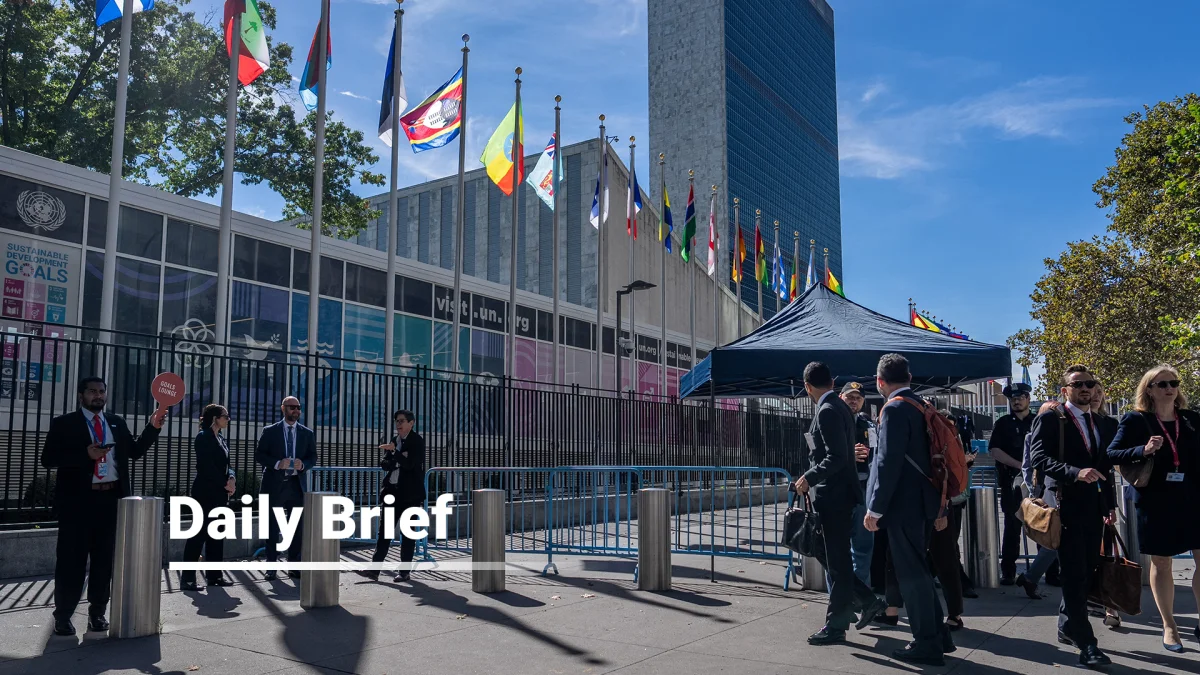
Speaking at the UN General Assembly in New York, Erdogan said the world body could no longer fully fulfill its mission of maintaining international peace and security.
The Turkish leader criticized the current dominance of the five countries with permanent seats and veto power on the Security Council — Britain, China, France, Russia and the United States.
“A system in which the will of more than 190 countries depends on the wishes of five countries is neither just nor capable of creating full confidence,” Erdogan said.
According to Erdogan, the UN, established 81 years ago to protect peace and security, has been deprived of the ability to fulfill this mission. He has promoted the slogan “The world is bigger than five” for years and called for fuller representation of Africa, Latin America, Asia and the broader Muslim world on the Security Council.
Gaza takes center stage in Erdogan’s speech
The Turkish president devoted much of his speech to the situation in Gaza. He said that no one with a sense of humanity, compassion and justice could remain indifferent to the suffering in the region.
Erdogan urged countries that do not recognize the State of Palestine to reconsider their positions. He called for increased international pressure on Israel to end the war in Gaza and described the territory as “the most inhumane and shameful concentration camp of our time.”
Turkey, a long-standing NATO member, accuses Israel of committing genocide in Gaza and calls for international sanctions. Israel rejects the genocide allegation and says its military operations in Gaza are directed against Hamas.
Meeting of Türkiye, Egypt, Saudi Arabia and Pakistan
On the sidelines of the UN General Assembly, the foreign ministers of Türkiye, Egypt, Saudi Arabia and Pakistan also met. The parties supported Saudi Arabia’s right to self-defense at a time when Houthi attacks have increased.
A joint statement expressed concern over the possible expansion of the regional conflict, voiced support for the government based in Aden, Yemen, and stressed the importance of safe navigation in the Red Sea and the Persian Gulf.
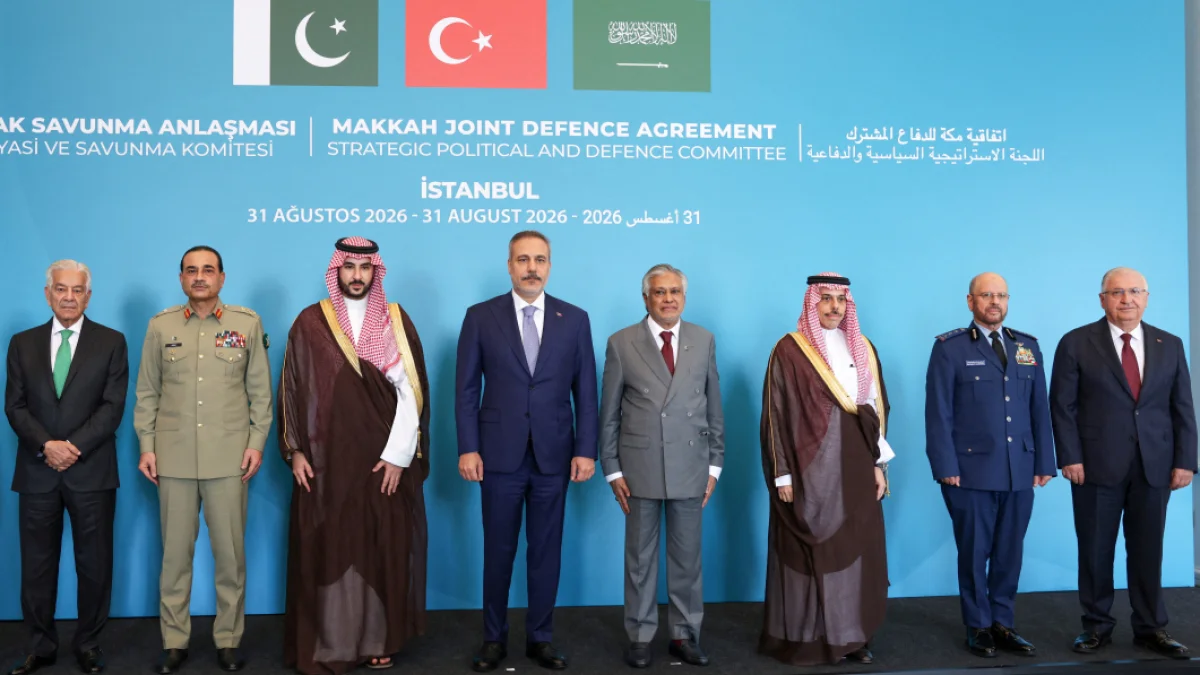
The countries said dialogue and diplomacy were the only path toward a lasting settlement. Last month, Türkiye, Pakistan and Saudi Arabia signed a Joint Defense Agreement in Mecca, pledging to strengthen collective security and defense cooperation. Egypt’s possible future accession to the alliance is also being discussed.