 OMM Redaksiyası

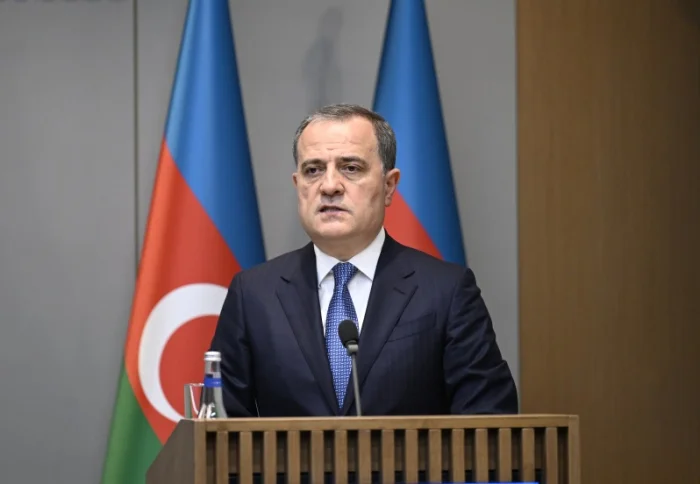
Strategic partnership between Azerbaijan and Czechia has continued for more than a decade. In an interview with AnewZ, Czech Deputy Foreign Minister Maria Chatardova said relations between the two countries had expanded beyond energy to include transport, investment, industry, defense and digitalization.
New cooperation projects
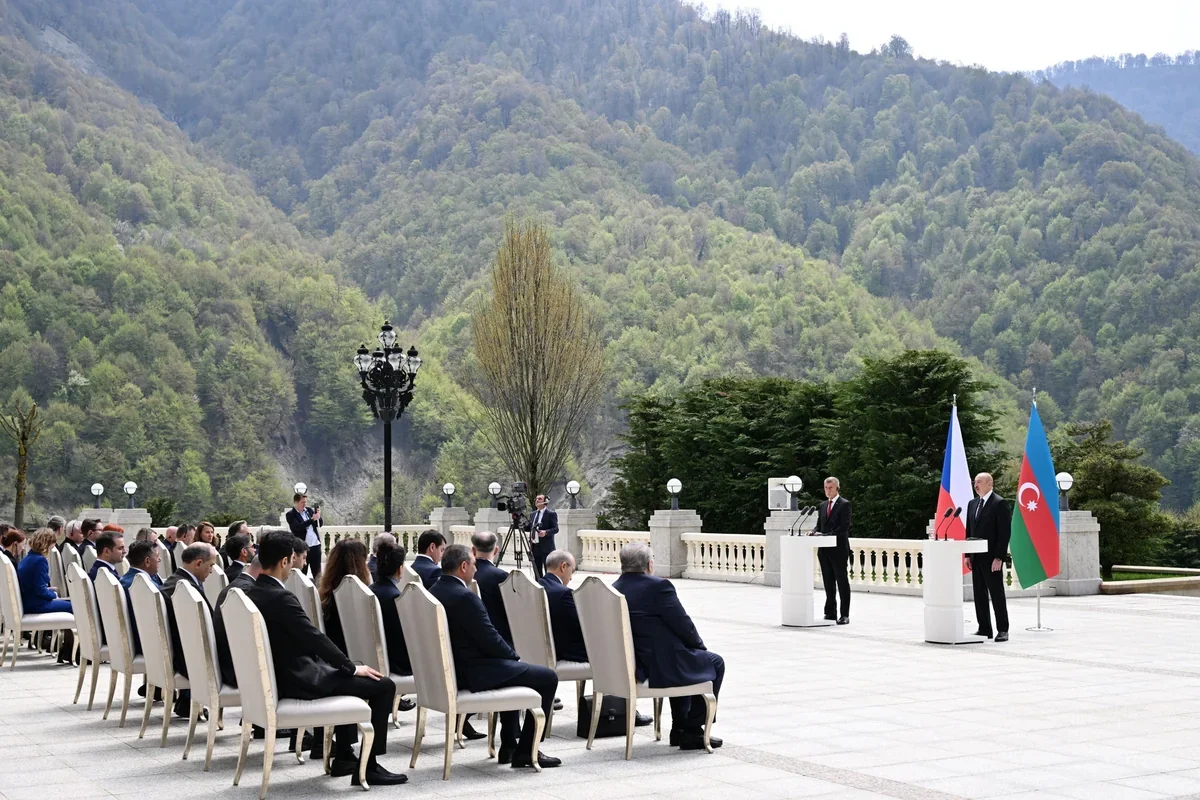
According to Chatardova, the April visit to Baku by Czech Prime Minister Andrej Babiš and First Deputy Prime Minister Karel Havlíček opened new opportunities for the strategic partnership. Several memorandums signed during the visit are moving into the implementation stage in energy, transport, defense and industry.
The Czech official said discussions were continuing on the development of transport infrastructure, including the modernization and digitalization of the Baku Metro. Particular attention is also being paid to the work of the intergovernmental commission on economic, scientific, technical and cultural cooperation. The commission has been elevated to the level of economy ministers, she noted.
Chatardova stressed that maximum support was being provided for joint projects involving Czech and Azerbaijani companies.
Expanding energy cooperation
The Czech deputy foreign minister said that more than 42% of Czechia’s crude oil imports in 2025 came from Azerbaijan. This made Azerbaijan Czechia’s largest oil supplier.
She said oil refineries in Czechia, as well as companies such as Slovnaft, MOL and OMV, were stabilizing their market positions over the long term through supplies of Azerbaijani oil. Prague is interested in diversifying supply sources by developing infrastructure that enables oil to be transported to Czechia and Central Europe from various sources.
Chatardova said energy cooperation should not be limited to oil. She described the Southern Gas Corridor as an important project for Europe’s energy security and said there were opportunities for future cooperation in renewable energy, electricity interconnections and energy efficiency.
Transport and regional connectivity
The Czech official cited the modernization of the Baku Metro as an example of the next stage of economic cooperation. According to her, Škoda Group could contribute not only by supplying trains and technology, but also by localizing maintenance, supporting modernization and training young people for new professions.
Chatardova noted that there were also opportunities for cooperation in the defense and security industry, healthcare, smart mobility solutions, airport technologies, information technology and digitalization.
Czechia supports a comprehensive and lasting peace between Azerbaijan and Armenia. In Chatardova’s view, peace would strengthen regional stability, improve transport and trade links, and enhance connectivity between Europe, the South Caucasus and Central Asia.
She described the TRIPP project as an important part of this process. The project is expected to create new opportunities for rail freight, while opening prospects for Czech companies in infrastructure, transport engineering, logistics, energy and advanced technologies.
Chatardova said Azerbaijan was viewed not only as a South Caucasus country but also as a bridge connecting Europe and Central Asia. According to her, the country’s geographic location, modern transport infrastructure and active participation in regional connectivity projects are increasing its importance along East-West trade routes.