OMM Redaksiyası

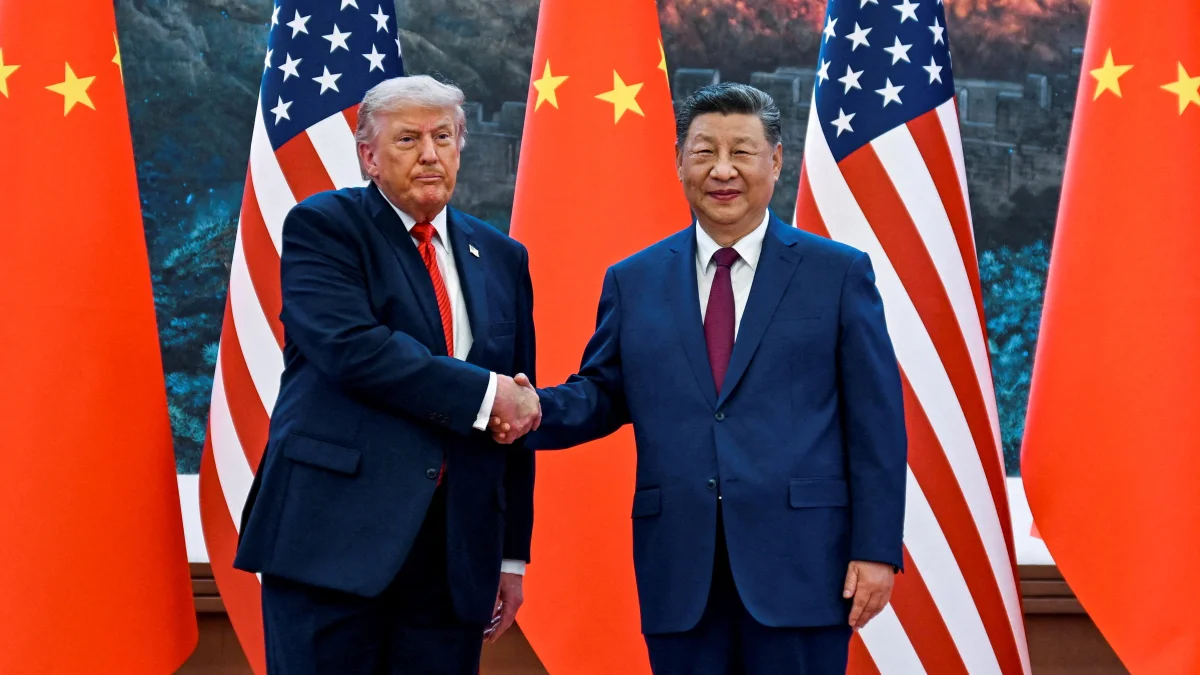
China’s ambassador to the United States, Xie Feng, has outlined Beijing’s “red lines” ahead of a meeting between Donald Trump and Xi Jinping in Washington.
The diplomat said managing differences in China-US relations required goodwill. He said Washington should not use issues such as national security, economic imbalances and forced labor as “excuses” to pressure China.
China’s main “red lines”
Xie Feng said China’s sovereignty, security and development interests must not be violated. He identified the Taiwan issue, democracy and human rights, development paths and systems, and development rights as Beijing’s four core non-negotiable issues.
Beijing considers democratically governed Taiwan part of its territory. Taiwan’s administration rejects that position. China has not ruled out using force to bring Taiwan under its control, but says it prefers “peaceful reunification.”
US arms sales to Taiwan
The United States is Taiwan’s main arms supplier and international supporter. China has repeatedly urged Washington to stop selling weapons to Taiwan.
After meeting Xi Jinping in Beijing in May, Trump said he had postponed a new arms package worth about $14 billion, calling it a “very good bargaining chip.”
A Taiwanese security official told reporters that Beijing viewed delays in US arms deliveries as a direct way to slow the expansion of the island’s military capabilities. In the official’s view, this could give China more room to increase pressure around Taiwan, Japan and the Philippines.
The official added that China could offer Trump a package of incentives, including purchases of US products and possible measures related to tensions in the Middle East, to persuade him that reducing US military commitments in the region would enable Washington to secure broader cooperation from Beijing.
According to the official, China has significantly increased the number of military, coast guard and research vessels operating around Taiwan and in the South and East China seas. The vessels are also collecting information about undersea cables that could be used during a war.
Beijing’s message to Washington
China’s ministries of foreign affairs and defense did not immediately respond to requests for comment. A spokesperson for China’s Taiwan Affairs Office said Taiwan was “deliberately” escalating the confrontation.
A commentary published in the People’s Daily said the main cause of difficulties in bilateral relations was the United States’ “wrong” perceptions of China and its inability to abandon an approach based on strategic competition.
The article called on both sides to preserve the favorable momentum achieved through considerable efforts, move in the right direction and remove obstacles affecting relations. It urged the United States to maintain consistency and stability in its policy, honor its commitments and bring greater certainty to bilateral relations.