Today marks the 151st anniversary of the establishment of the national press in Azerbaijan.
Operative Information Center-OMM recalls that 151 years ago, on July 22, 1875, the foundation of the Azerbaijani national press was laid with the publication of the "Ekinchi" newspaper by Hasan bey Zardabi, a prominent figure of the enlightenment movement of his time.
"Ekinchi" laid the first cornerstone for a truly national, democratic, and popular press in the Azerbaijani language. The newspaper, which published only 56 issues, served as a mirror for the people and became the flagship of Azerbaijani journalism.
In subsequent years, newspapers and magazines such as "Ziya," "Kashkul," "Sharqi-rus," "Irshad," and "Molla Nasreddin," published by prominent intellectuals, continued the traditions of "Ekinchi." The primary goal of these media outlets was to fight against ignorance and injustice while promoting public awareness. The Azerbaijani press has traversed several stages throughout its rich and honorable history. During the period of the Azerbaijan Democratic Republic (ADR), the foundations for a free press and a new perspective on events were established.
The next stage covers the period following the occupation of the ADR by the Bolsheviks. For 70 years of its 151-year history, the press operated under communist dictatorship. During that era, the Azerbaijani press often addressed existing problems through subtext, as the media served as a mouthpiece for the policies and ideology of the USSR. Independent thought and expression were strictly prohibited during that time.
Beginning in the second half of the 1990s, the Azerbaijani press entered a new stage of development, coinciding with the era of state-building and democratic governance. National Leader Heydar Aliyev, who laid the foundation for this new development period, always valued the influence of the press on society and implemented consistent measures to strengthen freedom of speech and the material-technical base of mass media. Heydar Aliyev also signed the first decree regarding the Azerbaijani press during the independence era.
In total, the National Leader signed more than 10 decrees and orders aimed at resolving issues facing the press. In 1999, a law "On Mass Media" that met international standards was adopted. By the decree of Heydar Aliyev dated August 6, 1998, censorship was abolished in Azerbaijan.
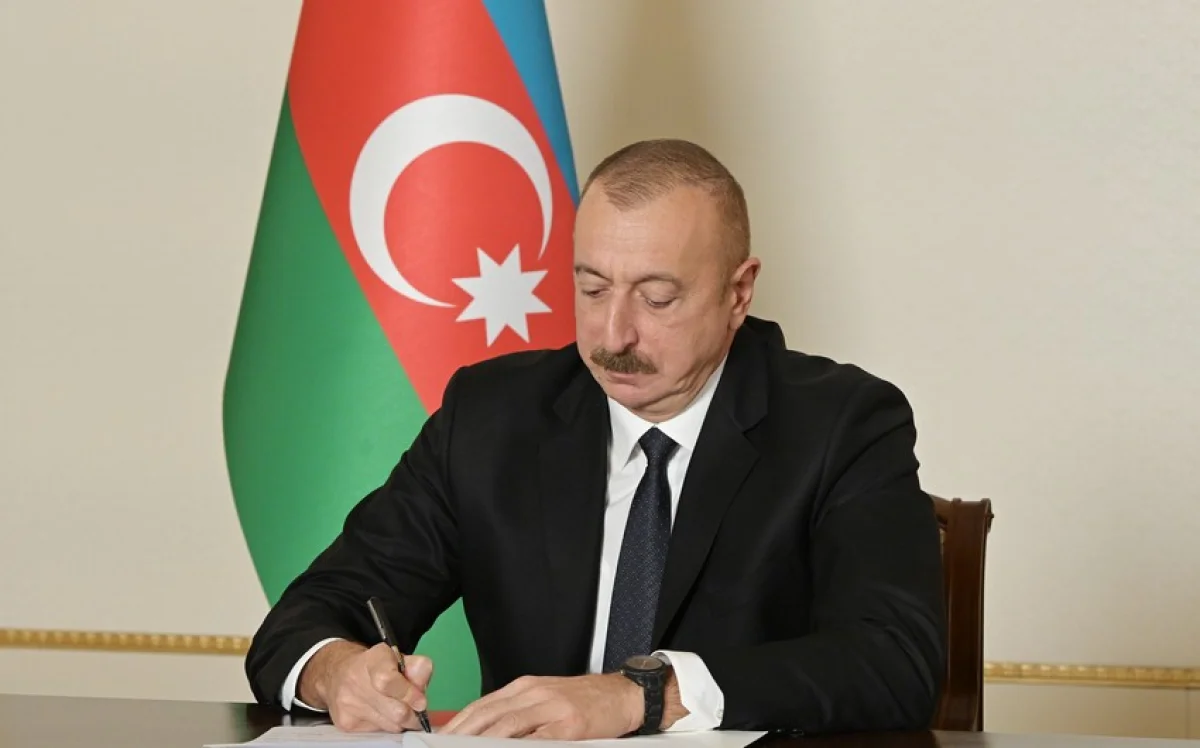
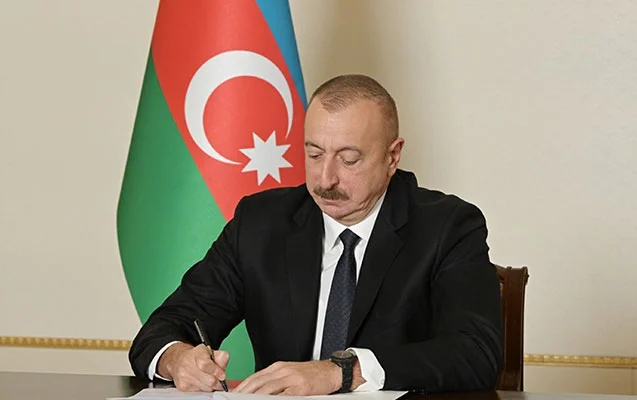
Today, there is high-level attention and care for freedom of speech and the press in the country. President Ilham Aliyev has signed significant decrees aimed at developing free media, strengthening the material and technical base of the press, and improving the socio-economic conditions of journalists.
During the 44-day Patriotic War that began on September 27, 2020, Azerbaijan achieved victory in the information war, just as it did on the battlefield. Despite ongoing smear campaigns by certain circles against the country, the advantage in the information war remained with Azerbaijan, which was fighting for justice and the liberation of its historical lands from occupation.
Nevertheless, the Azerbaijani press suffered losses due to Armenian terrorism. On June 4, 2021, a vehicle carrying journalists who were filming in the liberated territories hit an anti-tank mine in the village of Susuzlug, Kalbajar district. As a result, AZERTAC correspondent Maharram Ibrahimov, AzTV cameraman Siraj Abishov, and the deputy representative of the head of the Kalbajar District Executive Authority for the Susuzlug village administrative district, Arif Aliyev, were killed, and four others were injured.