 Afət Ziyadqızı

Iranian Foreign Minister Abbas Araghchi briefed journalists in New York on message exchanges with the United States conducted through intermediaries.
Operative Information Center-OMM reports that foreign media outlets carried the information.
He said the Iranian side met with Qatari officials the previous day and exchanged views on fulfilling the country’s conditions. Araghchi stressed that they were awaiting the United States’ final response.
“Qatar will present these views to the United States, and we expect a response by tomorrow. I will return to Tehran shortly. Decisions will be made in Tehran after the response is delivered,” the minister said.
Araghchi denied reports in the international media that Iran would make concessions on the nuclear issue. He said Iran’s position had not changed and that the nuclear issue was not on the agenda of the current discussions.
“Iran’s position has never changed. No talks have been held on this issue. The current discussions concern the Strait of Hormuz,” Araghchi said.
The Iranian foreign minister said the Strait of Hormuz would be reopened only after the United States met Iran’s conditions. Araghchi stressed that Iran’s leader, Mojtaba Khamenei, had set conditions on the matter.
“Iran’s conditions are entirely fair and logical. If the Americans say they support an agreement or are seeking a peaceful solution, we are presenting that solution,” the minister added.
Contrary to reports published by some media outlets, Araghchi said Iran’s position had not changed and that the conditions for reopening the Strait of Hormuz were clear. He said no discussions had been held about flexibility on the issue.
Reiterating that Iran was prepared for both diplomacy and war, Araghchi said his country had responded to possible military threats.
“Iran is always ready for war and responds to their actions militarily. Iran has things to say and is opening a path in diplomacy in line with its own logic,” he stressed.
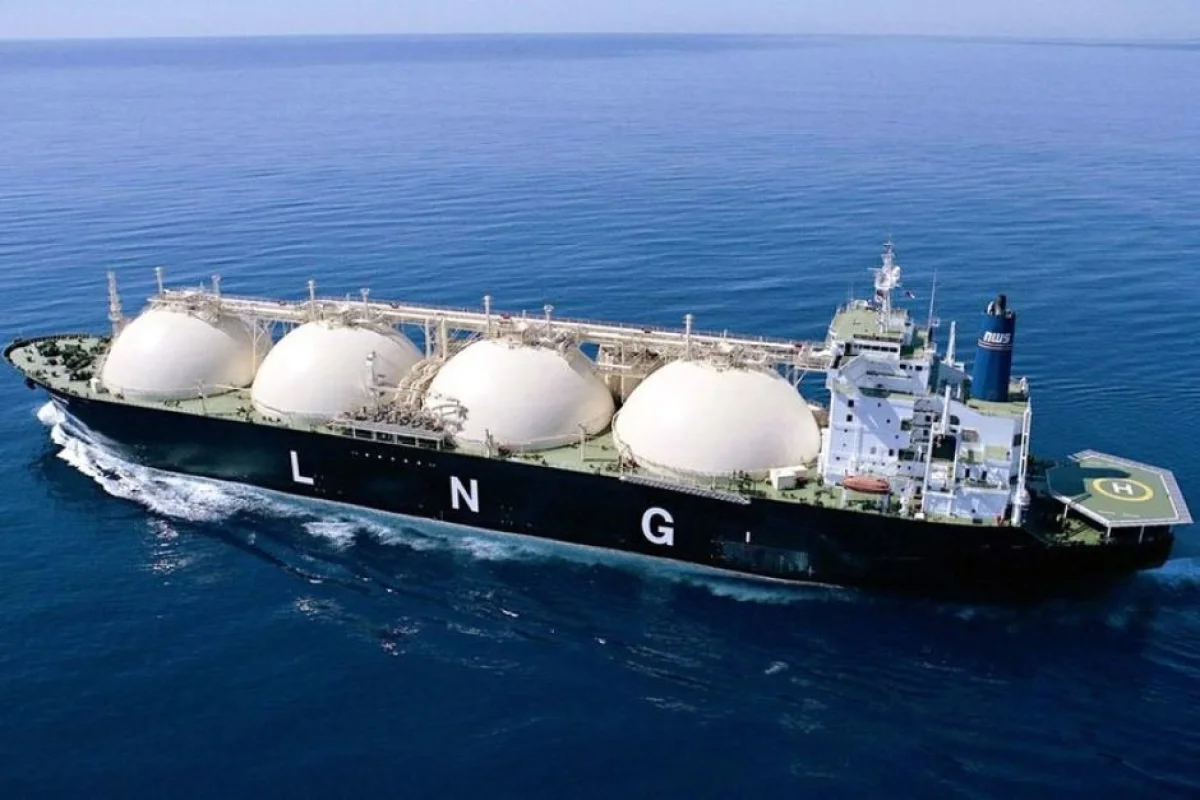
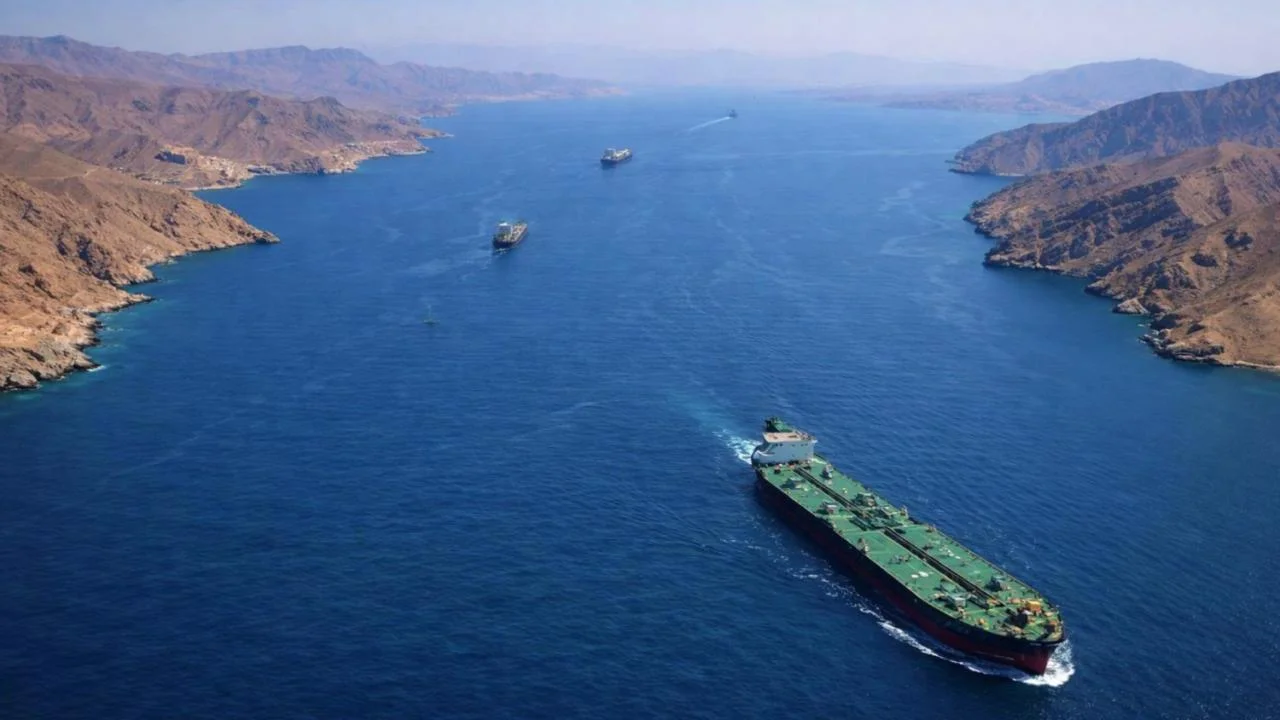
The Strait of Hormuz is a strategically important waterway connecting the Persian Gulf with the Gulf of Oman and the Arabian Sea. A significant share of global energy shipments passes through the strait, making developments affecting its navigation a matter of international concern.