OMM Newsroom

Nearly 260,000 people have been displaced in Yemen since early August amid renewed military escalation, while authorities in Taiz have warned of an imminent health crisis caused by shortages of fuel and medicine amid a Houthi blockade, Anadolu Agency reported.
In a report released late Wednesday, the UN Office for the Coordination of Humanitarian Affairs (OCHA) said fighting had forced nearly 260,000 people to flee their homes, with nearly half seeking refuge in Taiz governorate.
The UN Human Rights Office (OHCHR) has verified 251 civilian casualties: 57 people killed and 194 injured. Half of those killed were children, OCHA said.
Humanitarian partners have reached more than 174,000 displaced people since August—nearly six in 10 displaced households—despite what OCHA described as “extremely difficult conditions”. Assistance included food, hygiene kits and emergency cash in the first days after people were uprooted.
“Newly displaced families say that their most pressing need is shelter, followed by food and cash,” OCHA said.
The UN agency called on all parties “to protect civilians and civilian infrastructure, to respect international humanitarian law, and to allow the safe and sustained passage of humanitarian assistance and essential commercial goods into and across Taiz.”
Authorities in Taiz said premature babies and newborns in hospitals in the provincial capital faced an imminent health crisis because of shortages of fuel and medicine amid the blockade.
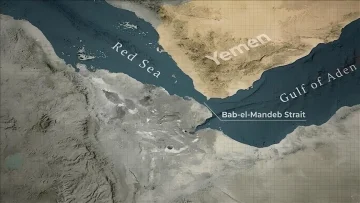
Since fighting escalated again on several fronts in July, government forces and their allies have announced that they regained control of the strategic Bab al-Mandeb Strait and areas in the Dhubab district.
The Houthis imposed a tight blockade on Taiz city from surrounding highlands to the north, west and east after advancing in rural Taiz.
In a statement, Taiz’s Office of Blockade Affairs said an “imminent catastrophe threatens the lives of children and newborns in hospitals in Taiz city due to the blockade imposed on the city by the Houthi terrorist militia.”
The office warned that shortages of fuel, medicines and medical supplies needed to operate incubators and provide essential care, as well as difficulties delivering supplies, were threatening life-saving services and exposing young patients to serious risks.
It called for urgent intervention to provide fuel, medicines and medical supplies, keep neonatal and premature-baby units operating, and protect children from interruptions in care.
The conflict in Yemen escalated after the Houthis seized the capital, Sanaa, and several provinces in September 2014. A Saudi-led coalition intervened in March 2015 to support the internationally recognized government.