 OMM Redaksiyası

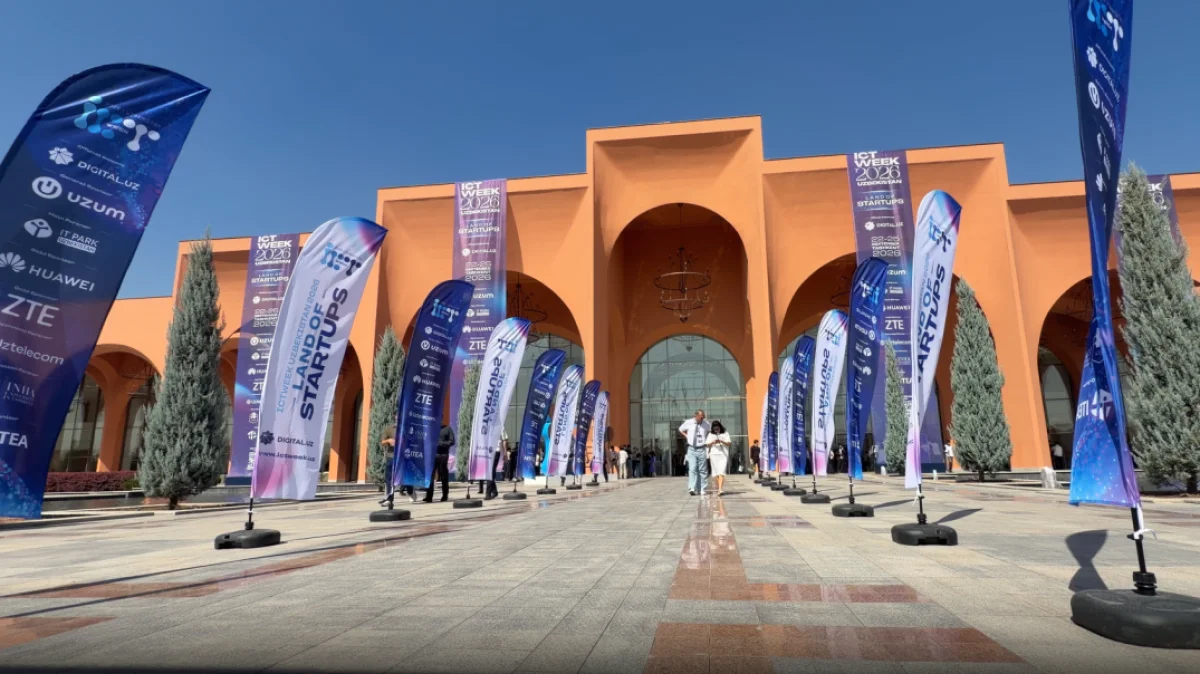
Uzbekistan has expanded its startup ecosystem, IT exports and digital infrastructure in recent years. This process was also among the main topics discussed at “ICTWEEK 2026,” hosted by the country.
The country is now entering a stage of turning this growth into a larger part of the economy. Under the “Digital Uzbekistan 2030” strategy, digital technologies are being introduced in public administration, healthcare, agriculture and the financial sector.
Exports of IT services rose to $940 million in 2025, approaching the $1 billion mark. Uzbekistan aims not only to create digital services, but also to build companies, attract capital and develop infrastructure around those services.
Artificial intelligence becomes the next priority
Artificial intelligence has become one of the key areas shaping the next stage of Uzbekistan’s digital transformation. The country plans to develop about 200 applied artificial intelligence projects by the end of 2027, covering healthcare, energy, transport and customs.
New artificial intelligence laboratories and computing infrastructure are being established at universities. One of the main tasks ahead is to transform Uzbekistan from a country that adopts existing technologies into one that develops products and services capable of reaching international markets.
Data centers and computing capacity expanded
The expansion of artificial intelligence and cloud services requires larger digital infrastructure. Uzbekistan is building new data centers and upgrading the cloud infrastructure used by the public and private sectors.
One of the key projects is a data center being built in Tashkent by Saudi Arabia-based company “DataVolt.” The project is expected to receive an initial investment of $150 million, with capacity set to increase in the future.
As demand for cloud services and artificial intelligence applications grows, the government also plans to establish additional computing infrastructure and specialized data centers.
From the domestic market to global exports
One of the main indicators of progress in Uzbekistan’s technology sector will be the volume of digital products and services sold abroad. Residents of “IT Park” already export digital services to 102 countries.
Programs such as “Local2Global” are designed to support Uzbek technology companies’ access to international markets. The government has set targets for creating thousands of active startups in the startup ecosystem and attracting billions of dollars in venture investment by 2030.
Uzbekistan faces the tasks of developing its human capital, increasing private investment, building advanced digital infrastructure and creating technology companies capable of competing globally.
“ICTWEEK 2026” demonstrates this transition. Discussions are no longer focused on whether Uzbekistan can digitalize its economy, but on how significant a role technology will play in the country’s economic growth.