Afət Ziyadqızı

New economic sanctions imposed by the United States against Iran have placed Pakistan in a challenging diplomatic and economic position. According to the Operative Information Center-OMM, the launch of the large-scale "Operation Economic Outcast" campaign by Washington on August 24 has introduced significant risks for nations maintaining economic ties with Tehran.
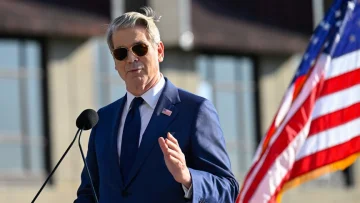
US Treasury Secretary Scott Bessent has issued a stern warning that companies and countries continuing to cooperate with the Iranian regime may face secondary sanctions. The campaign targets several strategic sectors, including shipping, aviation, technology, gold, and digital assets, with the explicit goal of further isolating Iran from the international financial system.
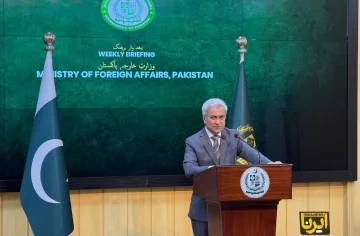
This development is particularly sensitive for Islamabad, which recently reached an agreement with Tehran to increase annual trade turnover to $10 billion. Pakistan's Ministry of Foreign Affairs spokesperson, Tahir Andrabi, emphasized that his country remains committed to international law and existing bilateral trade agreements with Iran. Andrabi stated that Pakistan's economic relations with its neighbor are conducted within the framework of international obligations, while expressing hope that the ongoing US-Iran standoff could eventually be resolved through diplomatic channels.
In an effort to mitigate regional tensions, high-ranking Pakistani officials, including Marshal Asim Munir and Interior Minister Mohsin Naqvi, visited Tehran on August 24 for high-level discussions. Pakistani officials clarified that this visit was part of an independent mediation initiative by Islamabad, rather than a directive from US President Donald Trump. Furthermore, Pakistan is actively engaging in diplomatic efforts regarding the status of the Strait of Hormuz, though Andrabi noted that a final resolution remains contingent upon the positions held by Washington and Tehran.
The current geopolitical landscape forces Pakistan to navigate a delicate balance: protecting its vital economic interests with Iran while simultaneously ensuring that potential secondary US sanctions do not jeopardize the country's access to the global financial system.