 OMM Redaksiyası

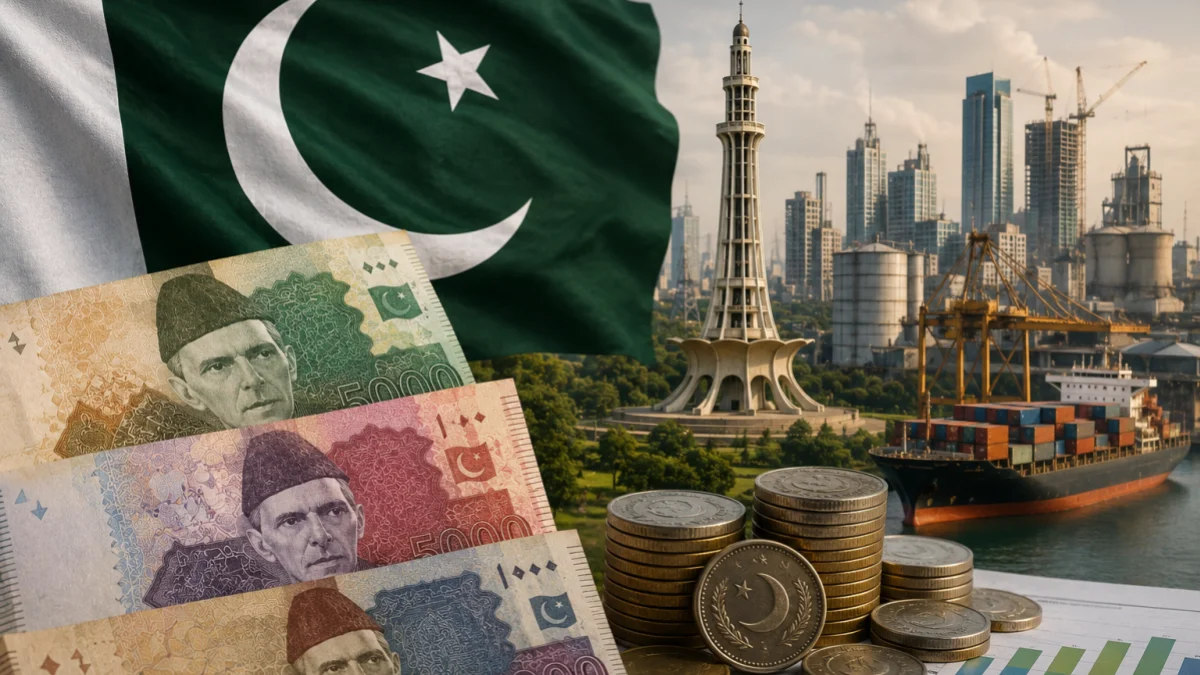
Pakistan's support for establishing a dialogue between the United States and Iran represents more than just a diplomatic initiative; it is a strategic effort to mitigate the economic and security risks associated with regional conflict. According to the Operative Information Center-OMM, citing foreign media, a prolonged confrontation between Washington and Tehran could threaten trade routes in the Persian Gulf, spike energy prices, and place additional strain on Pakistan's economy, which remains vulnerable to external shocks.
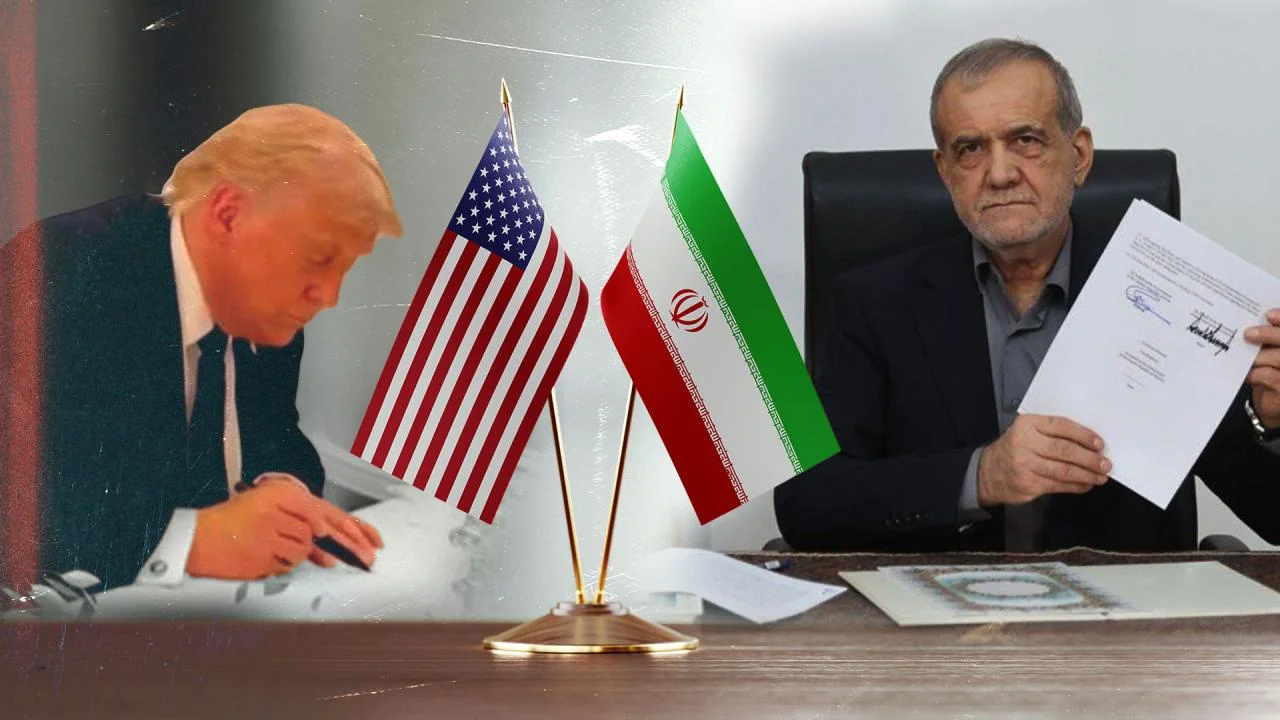
For Pakistan, which shares a nearly 900-kilometer border with Iran and maintains deep economic ties with Gulf nations, de-escalation is a matter of direct national interest. Recent negotiations, culminating in the "Islamabad Memorandum of Understanding" signed on June 18, have successfully eased immediate tensions and opened a 60-day window for discussions on complex issues, including sanctions relief and nuclear restrictions.
This diplomatic breakthrough has significantly improved Pakistan's international image. Long associated with political instability and economic crises, the country is now positioning itself as a constructive actor capable of contributing to the resolution of major international conflicts. However, experts emphasize that diplomatic prestige does not automatically equate to increased trade and investment, and the primary challenge lies in converting political goodwill into concrete economic outcomes.
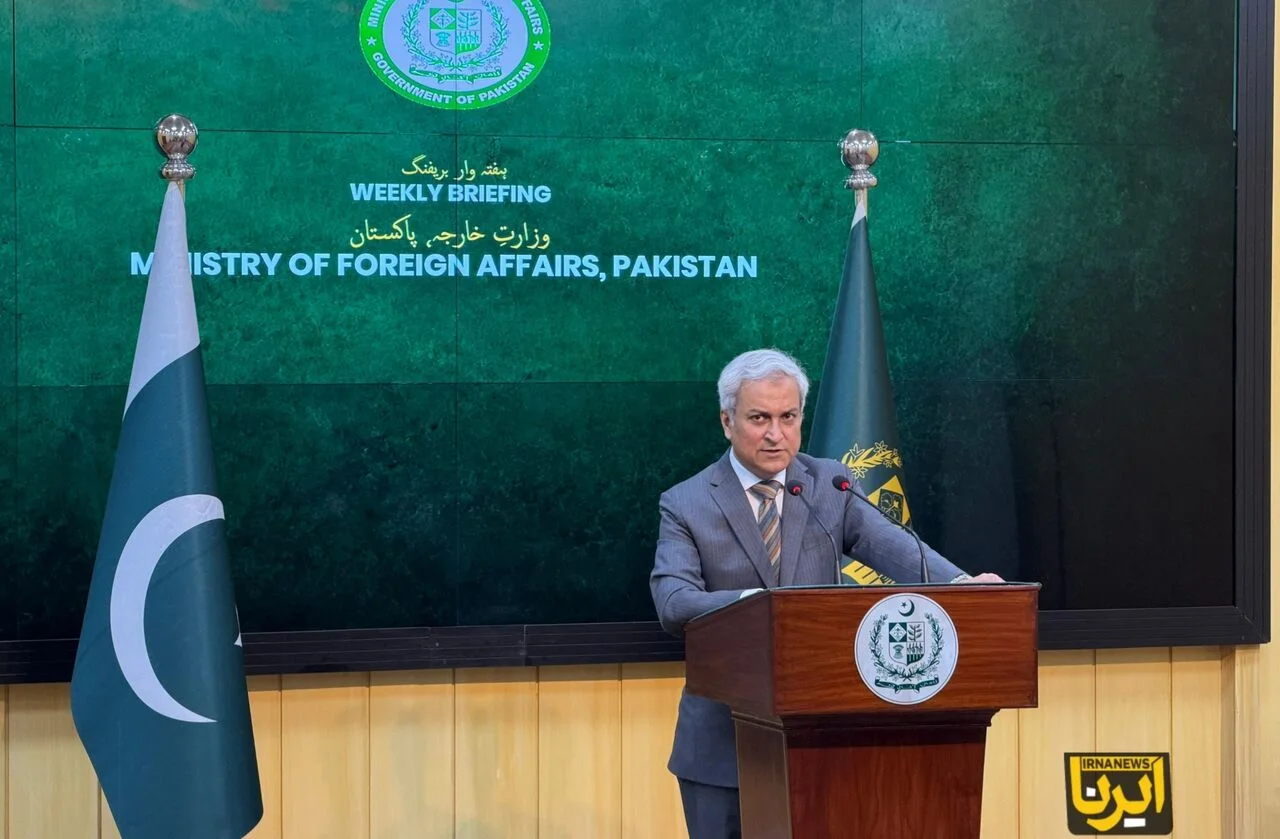
According to the Pakistani Ministry of Foreign Affairs, the visit of Iranian President Masoud Pezeshkian to the country demonstrates a commitment to deepening cooperation in trade, energy, and border security. Both nations aim to increase their annual trade turnover from approximately $3 billion to $10 billion. Despite this ambition, significant obstacles remain:
- Sanctions and banking restrictions: These continue to complicate financial transactions.
- Infrastructure deficits: Limited logistical capabilities in border regions hinder trade flow.
- Implementation challenges: Delays in translating official agreements into practical applications.
If Iran successfully reintegrates into regional trade, Pakistan could leverage its Gwadar port and the China-Pakistan Economic Corridor to become a gateway connecting South Asia, the Gulf, and Central Asia. Realizing this potential, however, will depend not only on geography but on Pakistan's ability to implement internal regulatory reforms, modernize infrastructure, and maintain consistent economic policies.