 OMM Redaksiyası

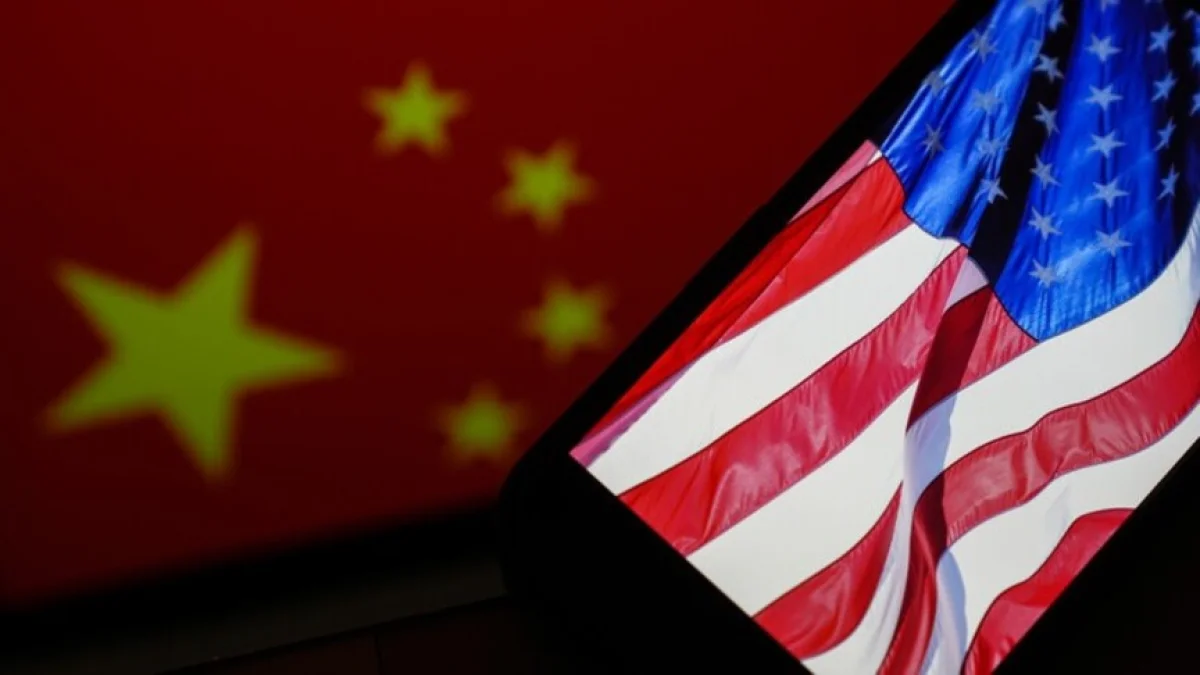
The United States is tightening controls over access to its most advanced artificial intelligence systems, extending technology restrictions beyond chips and hardware as strategic competition with China grows.
The measures are prompting debate over who should be allowed to use powerful AI models, how far governments can control online services and whether restrictions could ultimately weaken US influence, according to Anadolu Agency.
“The idea of a completely borderless internet was always somewhat idealized,” said Antonio Calcara, head of the Geopolitics and Technology Programme at the Centre for Security, Diplomacy and Strategy in Brussels. He said national security concerns increasingly shape how technology is developed, shared and controlled.
How the US is restricting AI access
In June, the US government ordered Anthropic to block foreign nationals from accessing its “Claude Fable 5” and “Claude Mythos 5” models. The company temporarily took both systems offline worldwide, saying it could not reliably distinguish users by nationality. The restrictions were later lifted, but the episode showed that Washington could disrupt access beyond US borders.
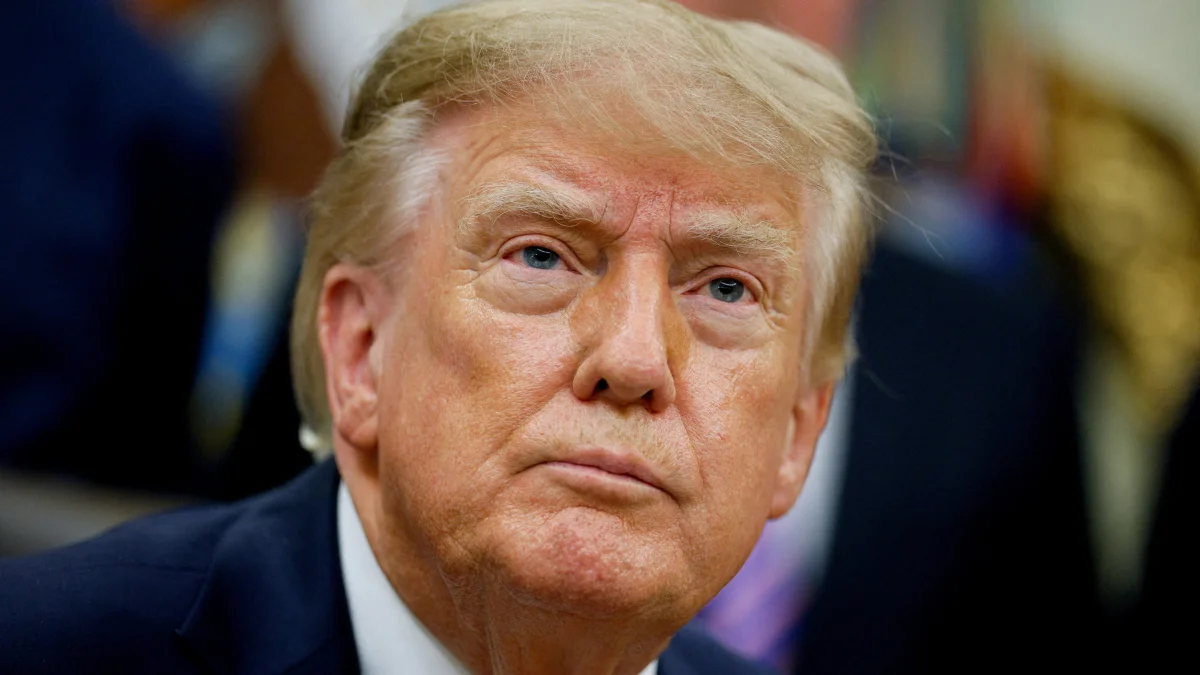
US President Donald Trump also ordered federal agencies in June to develop a voluntary framework allowing developers to give the US government access to certain advanced AI models for up to 30 days before releasing them to other trusted partners.
Companies have imposed limits independently. Anthropic initially offered “Claude Mythos” to selected partners, while OpenAI released “GPT-5.6” to a small group in June at the US government’s request before expanding access the following month.
Although these arrangements differ from formal export controls, they reflect growing scrutiny of who can access the most capable AI systems.
Why advanced AI is difficult to control
Milton Mueller, a professor at the Georgia Institute of Technology and co-founder of the Internet Governance Project, said barriers were increasing even though the internet’s underlying infrastructure remained global.
He said current restrictions mainly affect the services people can use rather than the internet itself. The US has imposed controls on advanced semiconductors and other technologies for China, while Beijing blocks many major US platforms through its so-called Great Firewall and limits cross-border data transfers.
Traditional export controls are harder to apply to AI models because software delivered online can be accessed from almost anywhere. Mueller compared the challenge with earlier US efforts to restrict encryption exports, which became more difficult as the technology shifted from specialized hardware to widely available software.
Controlling AI access could require extensive monitoring of users and their locations. While technically possible, Mueller said, such a system would be costly and difficult to enforce globally.
Security, alliances and the AI race
Control over critical networks and technologies can provide geopolitical leverage. Political scientists Henry Farrell and Abraham Newman have described this dynamic as “weaponized interdependence”, arguing that the concentration of important infrastructure and services in a small number of countries and companies gives governments power over rivals.
However, Calcara warned that restrictions could carry diplomatic costs. Washington needs allies as well as technological superiority in its long-term competition with China, he said, and excessively broad limits could undermine the strategic advantages the US is seeking to protect.
The issue is also linked to a wider dispute over the pace of AI development. Anthropic CEO Dario Amodei has called for greater coordination among companies and governments to slow the development of cutting-edge systems until stronger safeguards are in place.
Trump has rejected calls for a slowdown, arguing that it could benefit China. “Whoever wins AI, wins!” he wrote on his Truth Social platform earlier this month.
Mueller questioned the idea of an AI race, asking: “If this is a race, what is the finish line?” He said advances in AI did not automatically increase the power of the country where they originated, although military applications could offer more direct strategic benefits.
Could restrictions benefit Chinese AI?
US technology controls could influence choices in countries outside the two leading AI powers. Developing advanced models requires significant computing capacity, infrastructure and investment, concentrating capabilities among a limited number of companies and wealthy countries.
Calcara said this concentration could increase smaller countries’ dependence on foreign providers. Countries in Africa, Southeast Asia and other parts of the Global South may turn to Chinese technology if it is cheaper, more accessible or subject to fewer political restrictions than US alternatives.
Chinese developers have released increasingly capable open-weight models that users can download and adapt under applicable licences. That flexibility may appeal to governments and companies seeking greater control over the systems they use.
Broader restrictions on US AI could therefore strengthen Chinese alternatives in markets where customers can choose between providers, Calcara said.
The divide could also affect scientific research, potentially creating separate US- and China-centred technology ecosystems with different standards and fewer opportunities for researchers and talent to move between them.
US Treasury Secretary Scott Bessent said greater transparency between Washington and Beijing was becoming increasingly important as their AI capabilities advanced. Whether that will lead to broader cooperation remains uncertain.
For Washington, the challenge is not only whether it can restrict access to advanced AI, but also what influence it might lose by doing so. Mueller expects restrictions to continue as long as the US views China as a strategic threat, with Beijing responding through measures of its own.