OMM Redaksiyası

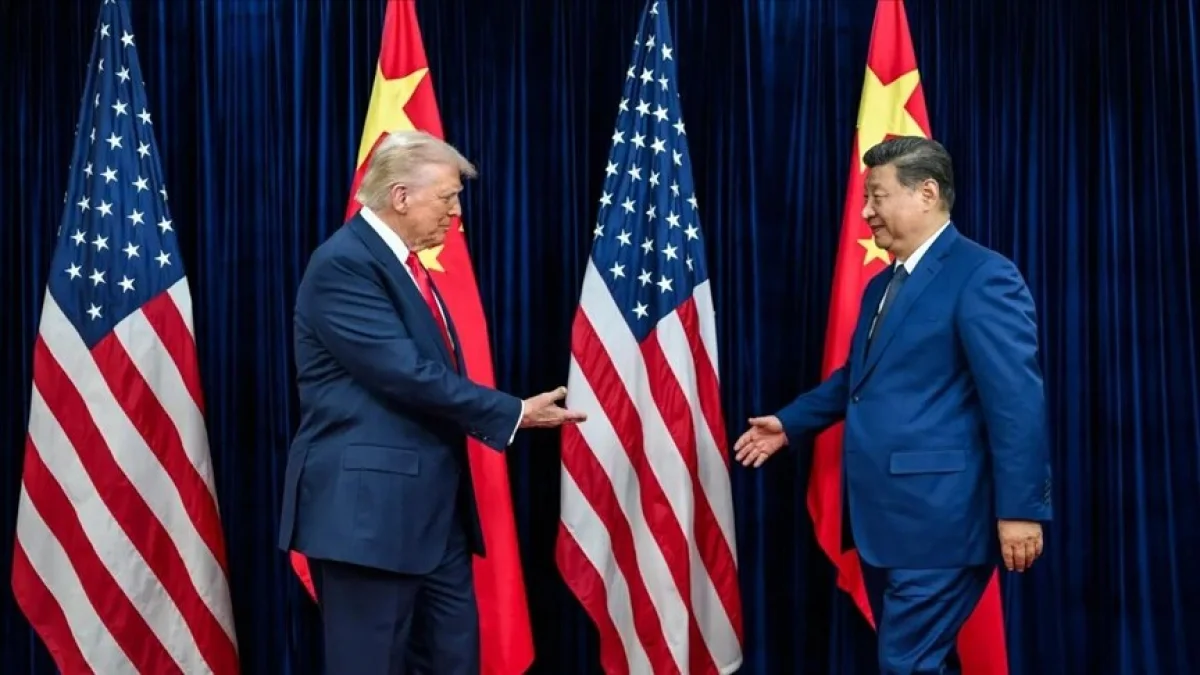
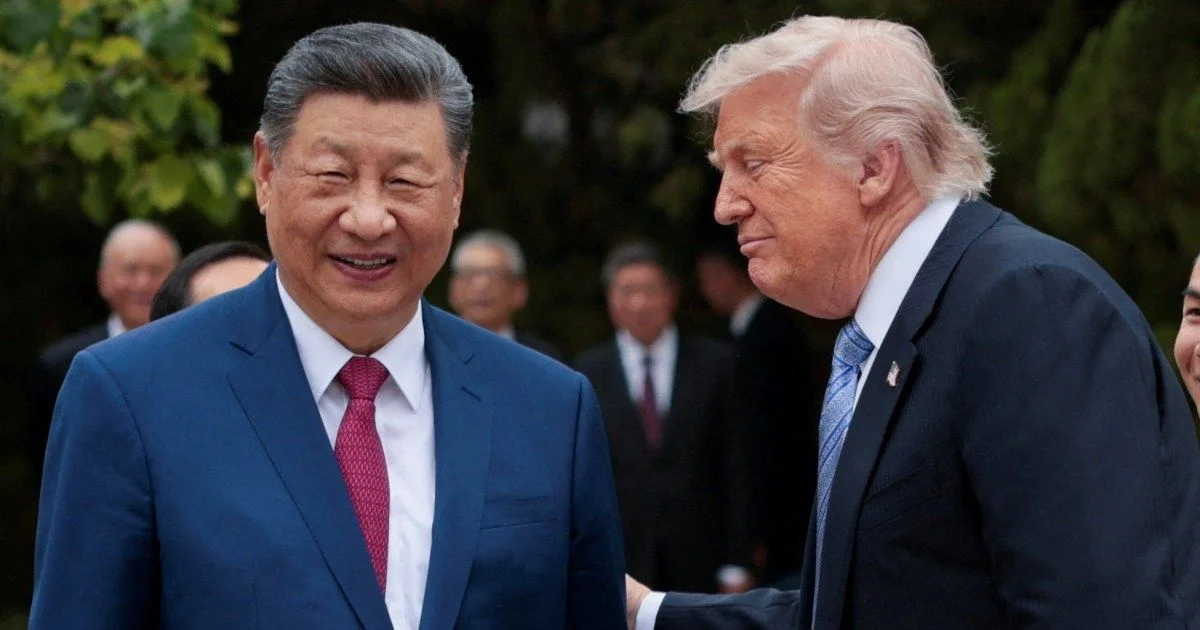
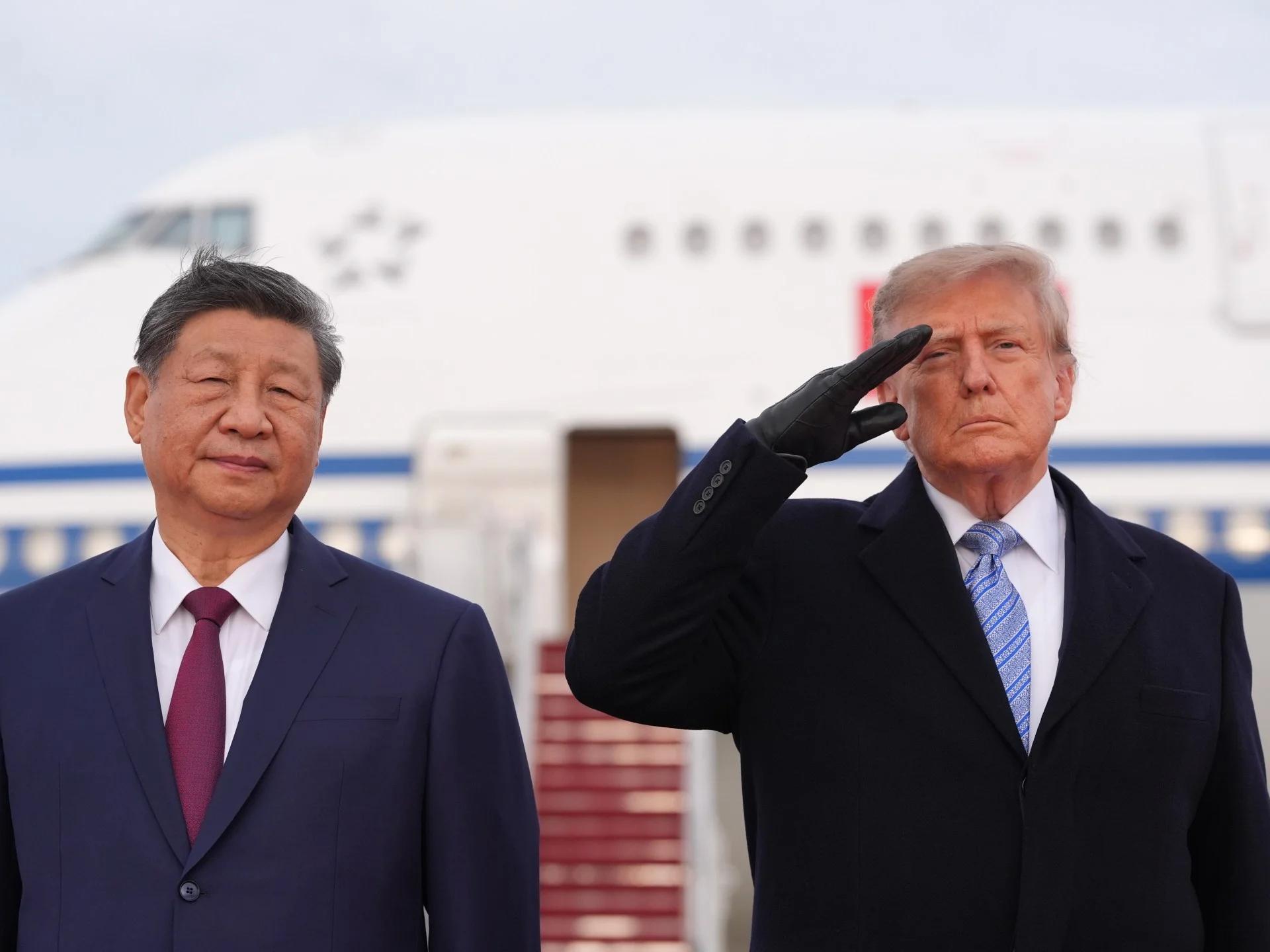
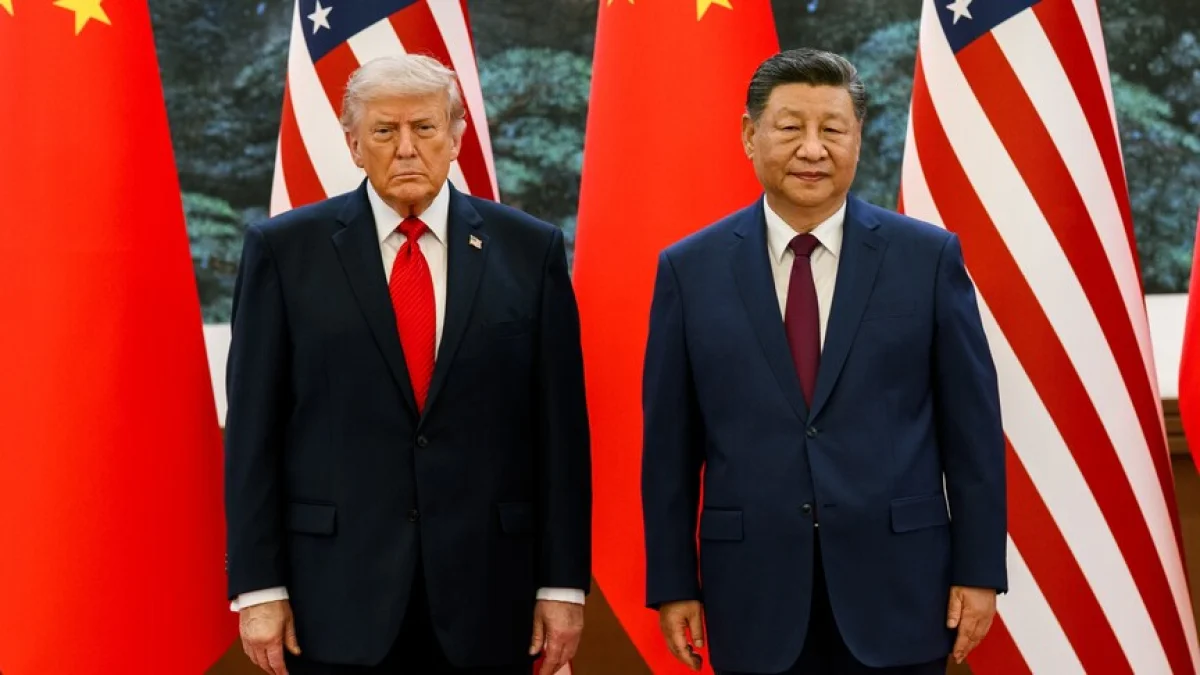
China has released further details of the agreement reached between President Xi Jinping and US President Donald Trump at their summit last week, outlining several concrete outcomes but no major breakthroughs.
According to the BBC, the two governments issued separate accounts of the meeting instead of a joint statement. The format suggested that, despite public efforts to promote warmer ties, Washington and Beijing remain cautious about one another.
New channel for artificial intelligence talks
Beijing said the two countries had agreed to launch a new dialogue on artificial intelligence, with further discussions planned for the end of November.
The countries are competing to develop advanced AI systems, while the technology is increasingly being applied in business and military planning. A dedicated communication channel for AI-related incidents is also expected to help prevent misunderstandings or unexpected developments from escalating into a wider confrontation.
Trade truce extended, but key issues remain
Chinese state media confirmed that the trade truce between the two countries had been extended until 10 January. The limited extension will allow the leaders to meet again at major international gatherings later this year.
Trump is expected to attend the Asia-Pacific Economic Cooperation summit in Shenzhen in November, while Xi is due to travel to Miami for the G20 summit in December.
China secured lower US tariffs on $30bn (£23bn) worth of goods, with reciprocal reductions expected from Beijing. The measure will cover products including toys, small household appliances and Christmas decorations.
The Trump administration also said China would purchase at least 10 million metric tons of coal annually in 2027 and 2028. However, China’s hoped-for longer extension of the truce did not materialise, making the agreement a limited gain rather than a major breakthrough.
The talks produced no mention of increased Chinese exports of rare earth minerals to the US or any easing of restrictions on advanced US semiconductors.
Taiwan remains a sensitive issue
The White House factsheet did not refer to Taiwan, although the issue was reportedly a priority for Xi. Chinese accounts said he urged Trump to oppose Taiwan independence formally and handle the issue cautiously.
Trump disclosed little about the matter after the summit, saying: “We didn’t talk about it too much.” He added: “Right now, it’s fine. It’s just moving along. He understands very much how I feel.”
The limited public discussion has added to uncertainty over a proposed $14bn US arms package for Taiwan, which Trump has previously described as “a very good negotiating chip” in discussions with Beijing. The package has been on hold for months.
US Ambassador to China David Perdue also told Fox News that Trump had offered to sell weapons to Xi during the summit. The State Department later clarified that US law prohibits arms sales to China and said there were no plans for such a deal.
Beijing considers Taiwan part of China. Most countries, including the United States, do not recognise Taiwan as an independent state. Washington opposes any attempt to seize the island by force and remains committed to supplying it with weapons.
Investment and travel barriers persist
China said more foreign financial companies, including US-backed banks, investment firms and insurers, would be allowed to apply to operate and open offices in the country. Any approvals, however, will remain subject to Chinese laws and regulations.
Foreign companies have long cited regulatory barriers, licensing requirements and concerns about exit bans as obstacles to expanding in China, even where market access is formally available.
Beijing also said the countries were discussing ways to increase the number of flights between them, without providing details. China, which offers visa-free entry to visitors from more than 75 countries, has not extended the policy to US citizens.
The US State Department continues to classify travel to China as Level 2, advising travellers to “exercise increased caution” because of the risks of arbitrary law enforcement, exit bans and detention.
The summit therefore produced more dialogue but little change on the most contentious issues, including advanced technology and Taiwan. Both sides appear willing to maintain communication, but reaching substantive compromises remains difficult.