 OMM Redaksiyası

Tajikistan has begun the formal procedure to withdraw from the International Criminal Court (ICC). The country’s Ministry of Foreign Affairs cited what it described as growing politicization and bias in the court’s work.
The lower house of Tajikistan’s parliament, the Majlisi Namoyandagon, approved a resolution to begin the withdrawal process. The authorities have not provided a more detailed public explanation of the legal and political grounds for the decision.
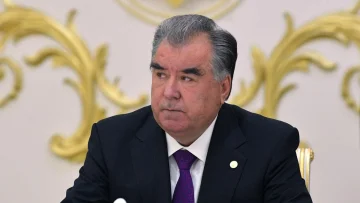
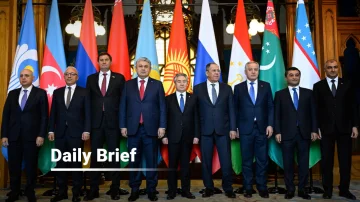
The decision comes amid a dispute that followed Russian President Vladimir Putin’s visit to Tajikistan in October 2025. During the visit, Putin met President Emomali Rahmon and attended meetings of the Commonwealth of Independent States and the Central Asia-Russia format.
At the time, an ICC arrest warrant issued in March 2023 for Putin remained in force. The warrant concerns alleged war crimes involving the deportation and transfer of Ukrainian children to Russia.
As a party to the Rome Statute, Tajikistan was required to cooperate with the ICC. Despite this, Putin was officially received in Dushanbe and left the country without being arrested.
The ICC later asked Tajikistan to explain its decision. On November 5, 2025, the court’s Pre-Trial Chamber required Dushanbe to provide further information about its failure to arrest and surrender Putin.
Tajik authorities said Russia is not a party to the Rome Statute and that bilateral agreements with Moscow grant immunity to senior officials. Dushanbe also said it did not consider its position a refusal to cooperate with the ICC.
The dispute continued into 2026. On March 19, the ICC’s Pre-Trial Chamber II found that Tajikistan had breached its obligations under the Rome Statute by failing to arrest and surrender Putin while he was in the country. The matter was subsequently referred to the Assembly of States Parties to the Rome Statute.
Tajikistan signed the Rome Statute in 1998 and ratified it on May 5, 2000. The statute entered into force for the country on July 1, 2002. The ICC is a permanent international court that tries cases involving genocide, war crimes, crimes against humanity and the crime of aggression.
Tajikistan is the only Central Asian country to have ratified the Rome Statute. Kyrgyzstan and Uzbekistan have signed but not ratified it, while Kazakhstan and Turkmenistan have not signed it.