OMM Newsroom

The leaders of Poland, Czechia, Hungary, Slovakia and Austria have called the European Union’s proposed budget for 2028–2034 unacceptable.
European Council President Antonio Costa presented the proposal on Saturday, Nov. 21. The rejection, issued after a meeting in Bratislava on Monday, highlights the major differences among leaders ahead of a special budget summit scheduled for Nov. 26–27. The EU wants to narrow disagreements between countries that contribute more to the budget than they receive and those that benefit more, and reach an agreement in December, AnewZ reports.
Slovak Prime Minister Robert Fico said the prime ministers of Poland, Czechia, Hungary and Slovakia, which make up the Visegrad Group, considered the proposal unacceptable. Austria shares their position, he said, adding that a deal was still a long way off.
“I can say on behalf of all of us that the proposal Costa presented on Saturday is unacceptable to us,” Fico said.
Fico said the four Visegrad countries, which receive more from the EU budget than they contribute, would take a joint position in negotiations. They will focus on cohesion funds for poorer regions and support for farmers.
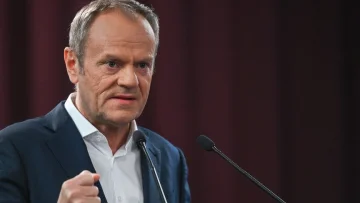
Polish Prime Minister Donald Tusk said his country would not support a budget that harmed its economy or security.
“I will not accept any version of the EU budget that leads to higher energy prices, serious social costs and a weakening of the defense capabilities of Poland and other countries on the eastern flank,” Tusk said.
Czech Prime Minister Andrej Babis called the proposal “completely unacceptable” on Monday. He criticized the amount allocated to member states as insufficient compared with the funding directed to the EU’s central programs. Babis said funding for Ukraine should be kept separate from the budget.
Hungarian Prime Minister Peter Magyar reiterated in Bratislava that Budapest would not accept linking the financing of Ukraine to the seven-year budget. He also said Hungary would not accept financial assistance to Ukraine becoming an “obligation.”
The proposal has faced criticism from both net contributors to the EU budget and countries that receive more from it. Germany, the largest net contributor, says the budget is still too large. France and the European Parliament’s lead budget negotiator have also opposed the proposal.
Under Costa’s plan, the EU’s seven-year budget would total about $1.74 trillion. That is $44 billion less than the proposal presented in October, when Ireland held the EU presidency, and about $198.7 billion less than the European Commission’s initial proposal.
The EU budget funds policy areas across its 27 member states, from support for farmers to investment in new technologies. It also supports industry and research with the aim of improving the bloc’s competitiveness with China and the United States.