OMM Newsroom
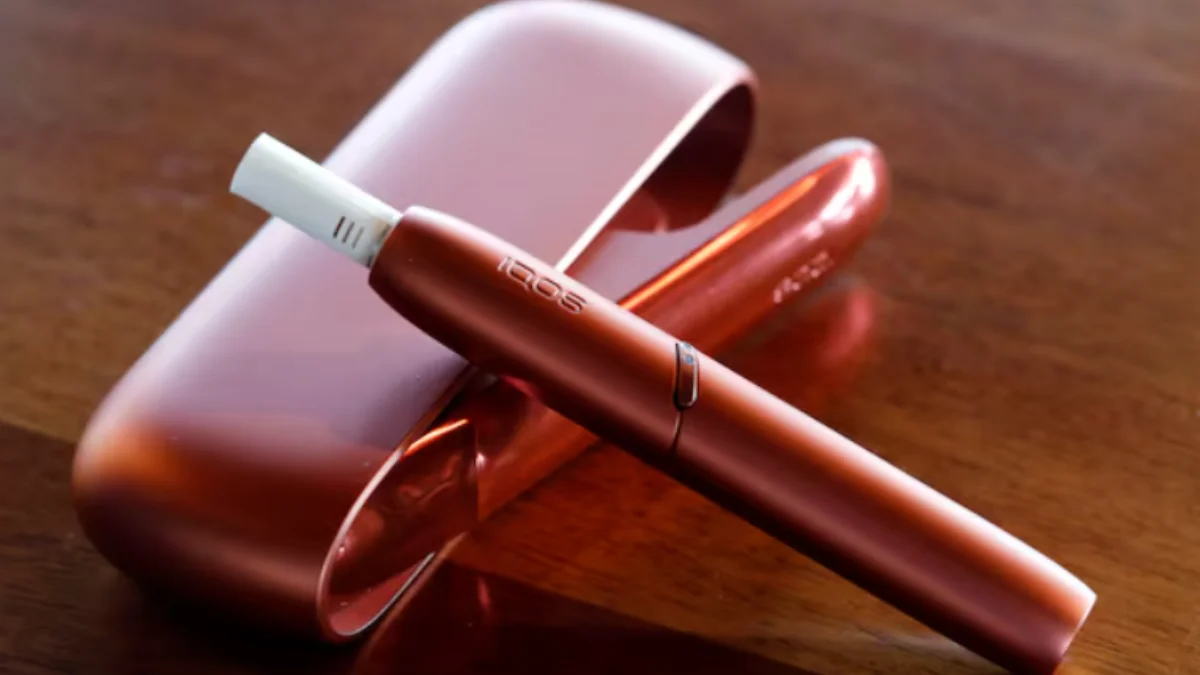
According to AnewZ, Tajikistan has banned electronic cigarettes, vapes and nicotine delivery systems, joining Central Asian states that prohibit their production, import and sale.
President Emomali Rahmon approved amendments to tobacco-control legislation after the upper chamber of parliament adopted them on October 17.
The new rules ban the production, import, export, wholesale and retail sale of electronic cigarettes, vapes and nicotine delivery systems. Authorities say the ban is intended to protect public health, particularly that of children and adolescents. Penalties for violations have not yet been announced.
Vape restrictions expand across Central Asia
Tajikistan’s decision follows a wave of similar bans across Central Asia. Turkmenistan banned electronic cigarettes in 2023, while Kazakhstan introduced restrictions in 2024, including criminal liability for illegal sales. Kyrgyzstan banned the import and use of vapes in July 2025.
Uzbekistan has also introduced broad restrictions covering the production, import, export, storage, transport, purchase and sale of electronic cigarettes and related liquids. Violators face fines or up to five years in prison.
Tobacco use and health risks in Tajikistan
According to estimates based on a 2016 World Bank survey, 6.3 percent of adults in Tajikistan smoked, while 12.5 percent used nasvay, a traditional smokeless tobacco product. Nasvay use was considerably more widespread among men than cigarette smoking.
Tobacco smoking also has a significant impact on public health in the country. Estimates provided by the Global State of Tobacco Harm Reduction indicate that the habit causes about 3,539 deaths in Tajikistan each year.
Vape restrictions increase worldwide
Tajikistan’s ban comes amid a rise in international restrictions on vapes. Estimates indicate that 37 to 46 countries have banned the sale, distribution or import of electronic cigarettes. They include India, Singapore, Thailand, Brazil and Argentina, as well as several countries in the Middle East and Africa.
Some governments have opted for stricter controls rather than a total ban. In Australia, for example, legal sales of vapes are limited to pharmacies, and access is subject to therapeutic-use rules. The United Kingdom, France, Belgium and New Zealand have banned or restricted disposable vapes, or are taking steps in that direction.