 OMM Redaksiyası

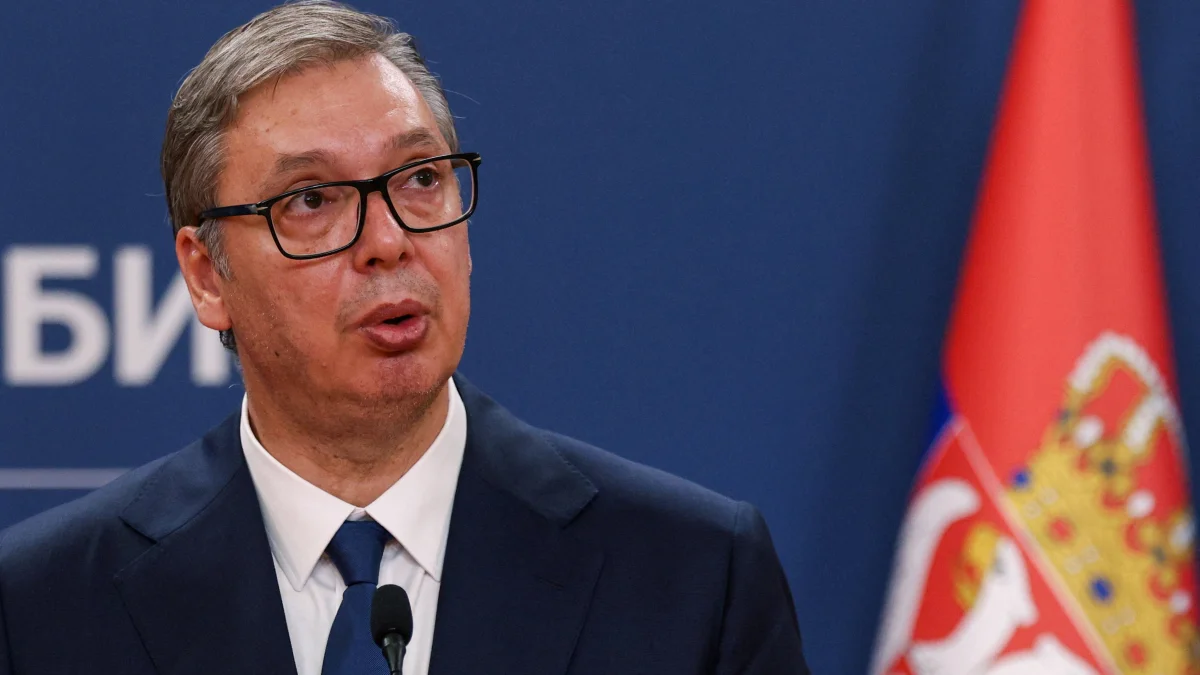
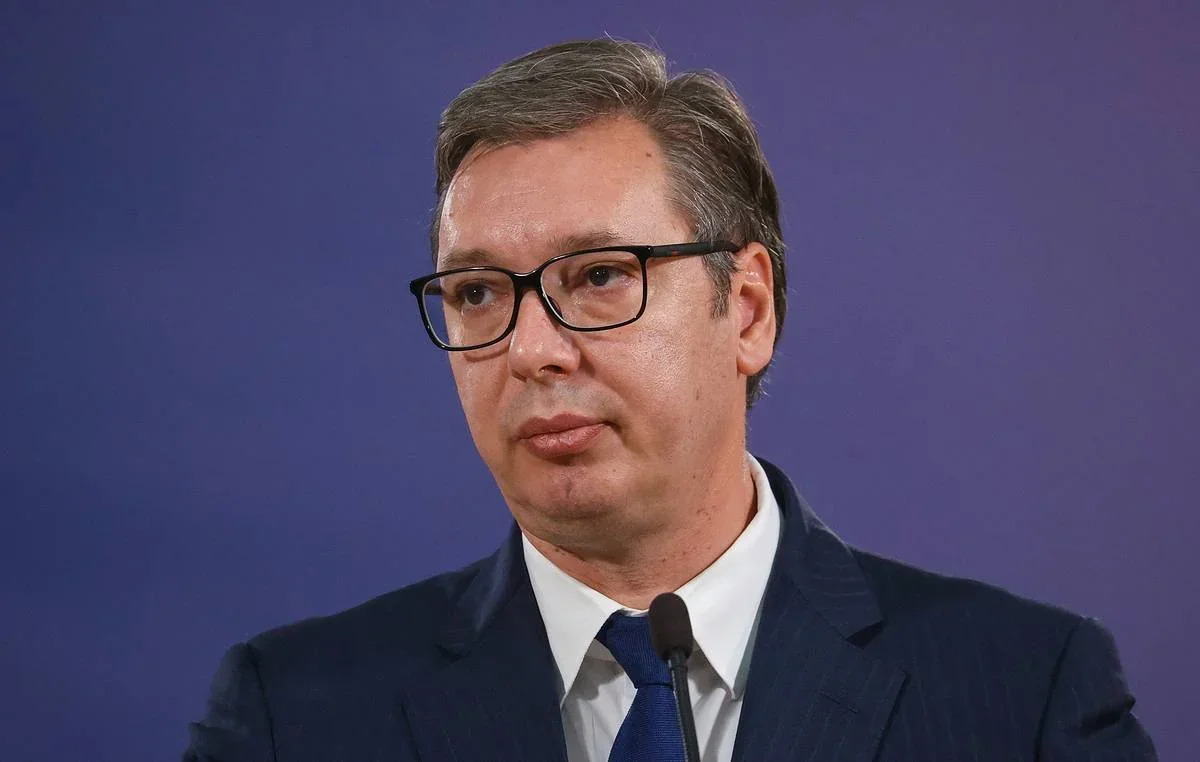
Serbian President Aleksandar Vucic resigned on Sunday, ending his second and final five-year term ahead of schedule. His resignation allows Serbia to hold an early presidential election alongside parliamentary elections scheduled for Oct. 25.
Under Serbia’s Constitution, parliamentary speaker Ana Brnabic will temporarily exercise presidential powers until a new head of state is elected. The presidential election must be completed within 90 days. Vucic said the first round would be held by the end of December.
Vucic’s resignation and possible political role
Before formally submitting his resignation, Vucic addressed supporters outside the Presidential Administration building in Belgrade, saying: “This is my last evening in this building. I have served you and my homeland, Serbia, faithfully. I am proud of what we have achieved together.”
The resignation also leaves open the possibility that Vucic could become prime minister in the future. If the Serbian Progressive Party (SNS), which he leads, forms the next government, Vucic could continue his political career in that role.
Protests leading to the early election
The October parliamentary election will be held nearly two years after student-led and anti-government protests began following the collapse of a railway station canopy in the city of Novi Sad in November 2024, which killed 16 people.
Protesters are demanding that responsibility be established, greater transparency and stronger measures against corruption. Human rights organizations have accused Vucic and his allies of increasingly authoritarian rule. The authorities have denied allegations of abuses against protesters.
In the election, Vucic’s SNS party and its allies will face the “Students Win” movement formed by students, as well as the “European Serbia” alliance of pro-Western opposition parties. Several opposition groups have yet to choose their presidential candidates.
Serbia’s foreign policy
Vucic, 56, has remained a central figure in Serbian politics for more than 12 years. He has served as president or prime minister and, although the presidency is largely ceremonial, he has retained control of his party and played a major role in shaping government policy.
While maintaining relations with Russia and China, Vucic has also pursued Serbia’s long-term goal of joining the European Union. Serbia is an EU candidate country, but Brussels has raised concerns about the rule of law, corruption, media freedom and electoral conditions.
Vucic also announced that he had granted amnesty and pardons to 49 people detained or facing criminal proceedings in connection with the protests, including activists and his own supporters.