OMM Redaksiyası

Saudi Arabia’s efforts to contain Yemen’s conflict through military action and diplomacy have given way to a renewed campaign against the Houthis, as attacks reach Saudi cities and the kingdom is pulled deeper into regional turmoil, CNN reported.
The operation, named “Yemen’s Dawn,” comes after a series of setbacks, analysts say. Riyadh ended its longstanding partnership with the United Arab Emirates over Abu Dhabi’s support for a rival Yemeni force, misjudged the extent of US President Donald Trump’s willingness to back it, and has struggled to coordinate the armed factions fighting the Houthis.
The escalation is adding pressure to Crown Prince Mohammed bin Salman’s plans to attract investment, tourism and major sporting events. Attacks on oil infrastructure have disrupted exports, while regional tensions have led to the suspension of film festivals, award ceremonies and concerts. The kingdom’s flagship financial conference, expected to draw prominent business leaders at the end of October, has also come under pressure.
At least three people, including a Saudi pilot, were killed this week after Houthi forces struck several airports in Saudi Arabia, according to the kingdom. “They just needed the conflict to stay as far away from them as possible without the Houthis disrupting their transformation plans,” former US ambassador to Saudi Arabia Michael Ratney told CNN. “Now they find themselves in the middle of it.”
UAE withdrawal left a gap in Yemen
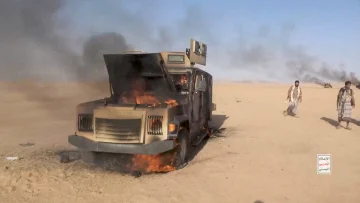
Saudi airstrikes on a shipment of military vehicles sent by the UAE to Yemen last year shattered a decade-old alliance between the two countries. Abu Dhabi withdrew its forces, leaving Riyadh to manage a crisis that had involved fighters operating under Emirati command.
A southern Yemeni official told CNN that the departure created a power vacuum and that there had been no effective handover. The official, who requested anonymity, said Saudi Arabia had not replaced the Emiratis’ command structure and efficiency.
The four-year truce between Saudi Arabia and the Houthis was already fragile. The rapid Emirati withdrawal left thousands of fighters disoriented as Riyadh sought to take the lead in Yemen, analysts said.
Strikes and uncertainty over US support
Eight weeks after the UAE withdrawal, the United States and Israel launched a war on Iran, killing Supreme Leader Ayatollah Ali Khamenei. The conflict placed US allies, including Saudi Arabia, within Iran’s reach and added to the pressure on Riyadh, which had already been contending with separatist forces backed by the UAE.
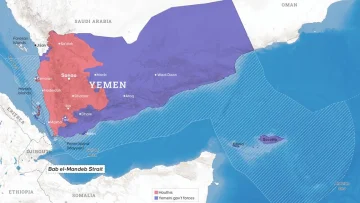
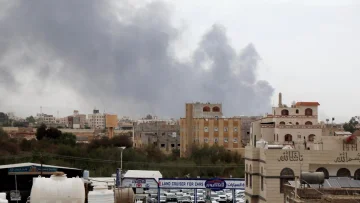
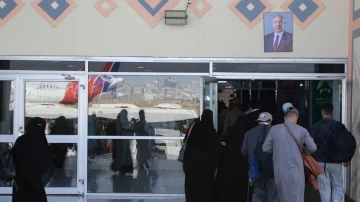
In July, Iran sent a commercial plane carrying a Houthi delegation to Khamenei’s funeral in Tehran, defying a Saudi air blockade of Yemen. Riyadh struck the Houthi-held airport in Sana’a to prevent the plane from landing. The Houthis then declared the truce over, announced a naval blockade on Saudi ships and launched an offensive along Yemen’s coast, taking strategic territory near the Bab al-Mandeb Strait.
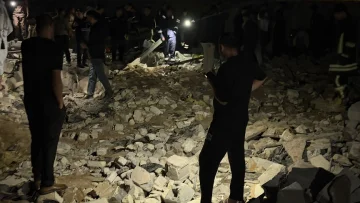
The Houthis also attacked Saudi oil facilities and pipelines, disrupting crude supplies and driving prices sharply higher. Saudi forces responded with hundreds of airstrikes. Ahmed Nagi, a senior Yemen analyst at the International Crisis Group, told CNN that Riyadh had not prepared for the offensive or coordinated effectively with the Yemeni forces it inherited from the UAE.
Saudi Arabia had also counted on continued US support, analysts said. Despite a new defense pact with Washington last year and the US designation of Saudi Arabia as a Major Non-NATO Ally, Riyadh has been disappointed by what it sees as a decline in US commitment to its security.
Prince Mohammed spoke twice with Trump last month and urged him to strike the Houthis, sources told CNN. Trump declined to intervene. Washington instead engaged with the Houthis in Oman, seeking to protect its own ceasefire with the group, which said its war was with Saudi Arabia alone.
Ratney said Saudi Arabia’s military had been built around partnership with the United States and was not structured to fight such wars alone. The kingdom has since sought support elsewhere: Prince Mohammed met Egyptian President Abdel Fattah el-Sisi in Cairo, and UAE Vice President Sheikh Mansour bin Zayed later visited Riyadh for talks. France agreed to deploy defense assets, including personnel, while Britain said it would send an aircraft to refuel Saudi jets. More than 100 US military advisers are providing intelligence and targeting support under a newly established joint forces command.
Saudi Arabia, Turkey and Pakistan agreed on Monday to “activate collective deterrence measures” under the Mecca Joint Defense Agreement after an emergency meeting in Riyadh. Forces loyal to the UAE also appear to be participating in the offensive, suggesting a partial improvement in relations between Riyadh and Abu Dhabi.
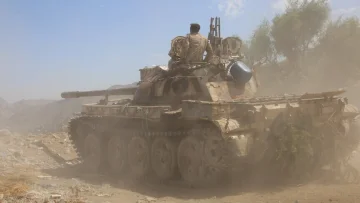
Analysts cautioned that outside support and early gains by the Saudi-backed Yemeni government may not end the conflict. Infighting continues among the factions, and there is no clear political end state. Hisham Al Omeisy, a senior Yemen adviser at the European Institute of Peace, said the factions needed unified command structures and to resolve their internal disputes to hold territory they had taken.
Experts said the Yemen conflict is linked to the US-Iran war, which gives Tehran an incentive to allow the Houthis to keep disrupting Saudi Arabia. A separate diplomatic deal between Gulf states and Iran, or an escalation of military strikes against Houthi leaders, would not resolve Yemen’s conflict in the near term, Ratney said.