 OMM Redaksiyası

Saudi Arabia is facing an expanding security challenge originating in Yemen. The Houthis have consolidated their recent territorial gains along the Red Sea coast and intensified attacks against the kingdom.
Riyadh strengthens coordination with Washington
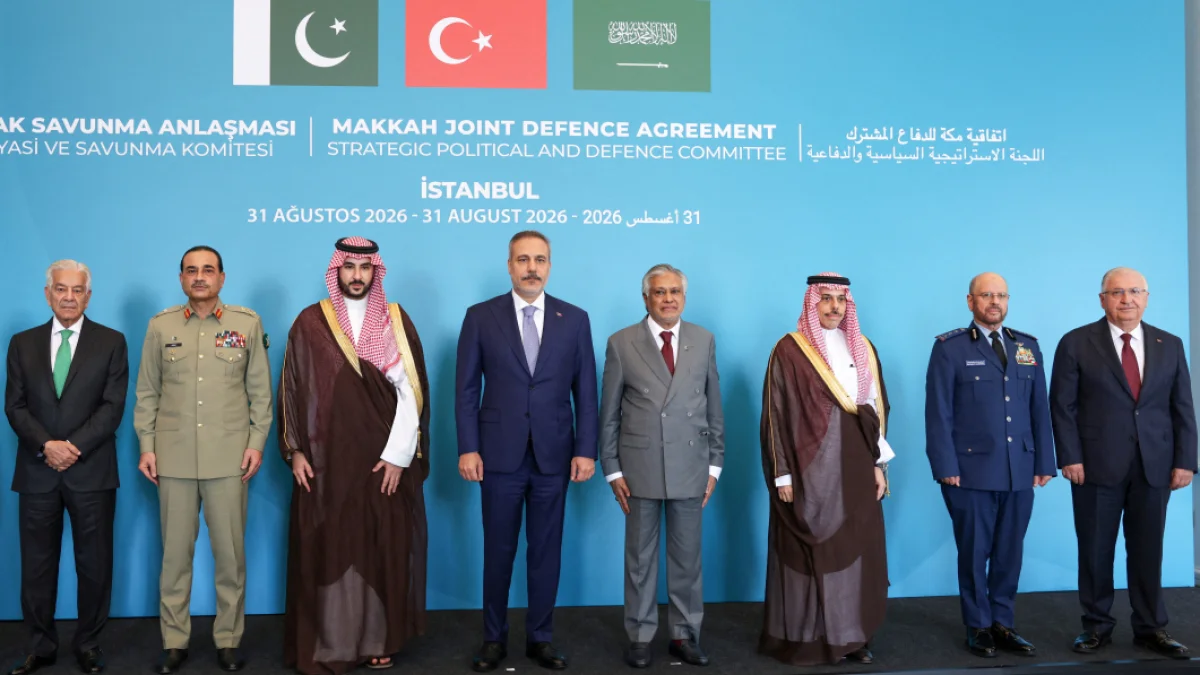
Saudi Foreign Minister Prince Faisal bin Farhan met with US Secretary of State Marco Rubio in Washington on Monday. The sides discussed Yemen, maritime security and other developments in the region.
The meeting followed Saudi Crown Prince Mohammed bin Salman’s request earlier this month for direct US military intervention against the Houthis. According to Reuters, the United States declined to launch strikes but agreed to provide intelligence and assistance in identifying targets.
Yemeni forces adopt a preemptive approach
The shift is most visible on the battlefield. Yemeni government forces say they have moved toward a more preemptive strategy aimed at stopping Houthi attacks before they begin.
Under the new approach, instead of waiting for fighters and weapons to reach the front line, forces target fortifications, military gatherings, weapons depots and command posts deep inside areas controlled by the Houthis.
The approach emerged after a large-scale Houthi offensive along Yemen’s western coast. The group captured the port city of Mokha and other strategic positions, expanding its access to the Bab al-Mandab Strait, one of the world’s most important maritime routes.
According to Yemeni military officials, the decision to change tactics was made after the collapse of the National Resistance Forces during the latest offensive. Houthi forces had been able to gather fighters and military equipment in Taiz for about a month before launching the attack, but those preparations were not properly targeted.
The goal of the new strategy is to disrupt Houthi preparations before another offensive begins and create conditions for government forces to retake lost territory.
Pressure grows on Saudi energy routes
The changing battlefield situation in western Yemen is directly linked to Saudi Arabia’s security. In recent weeks, the Houthis have expanded the geographic scope of their attacks on the kingdom.
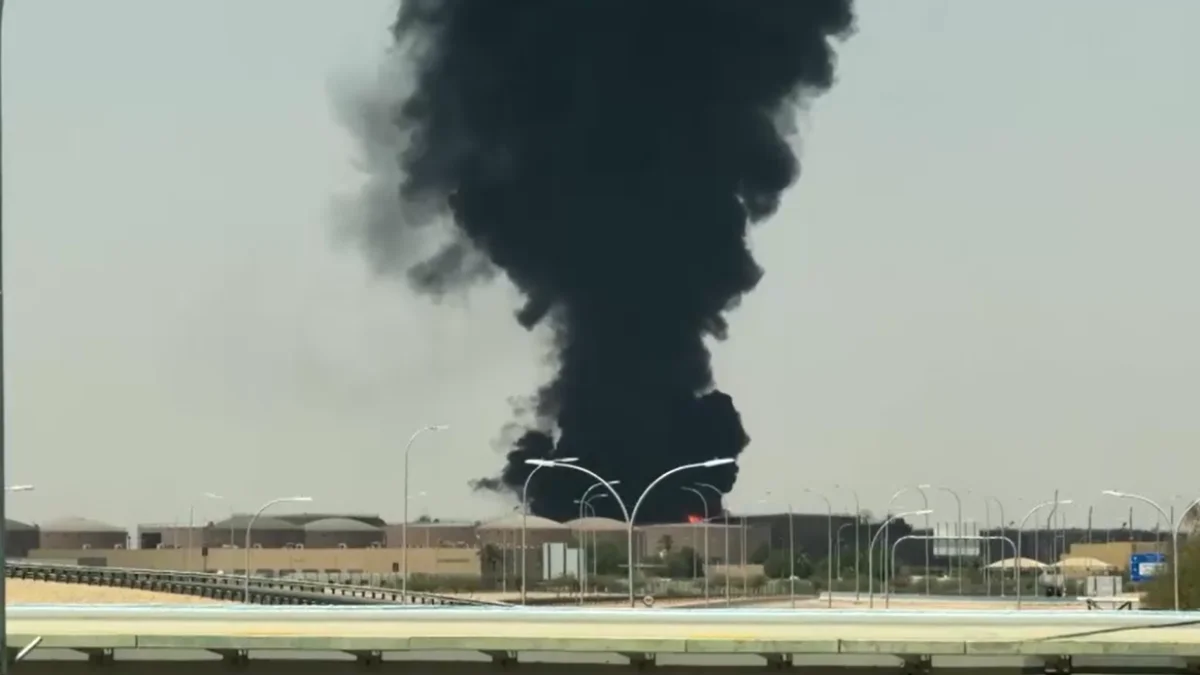
Saudi officials said the cities of Riyadh, Taif, Yanbu, Abha and Jizan had been targeted with missiles and drones. The escalation has also increased pressure on the country’s energy infrastructure and export routes through the Red Sea.
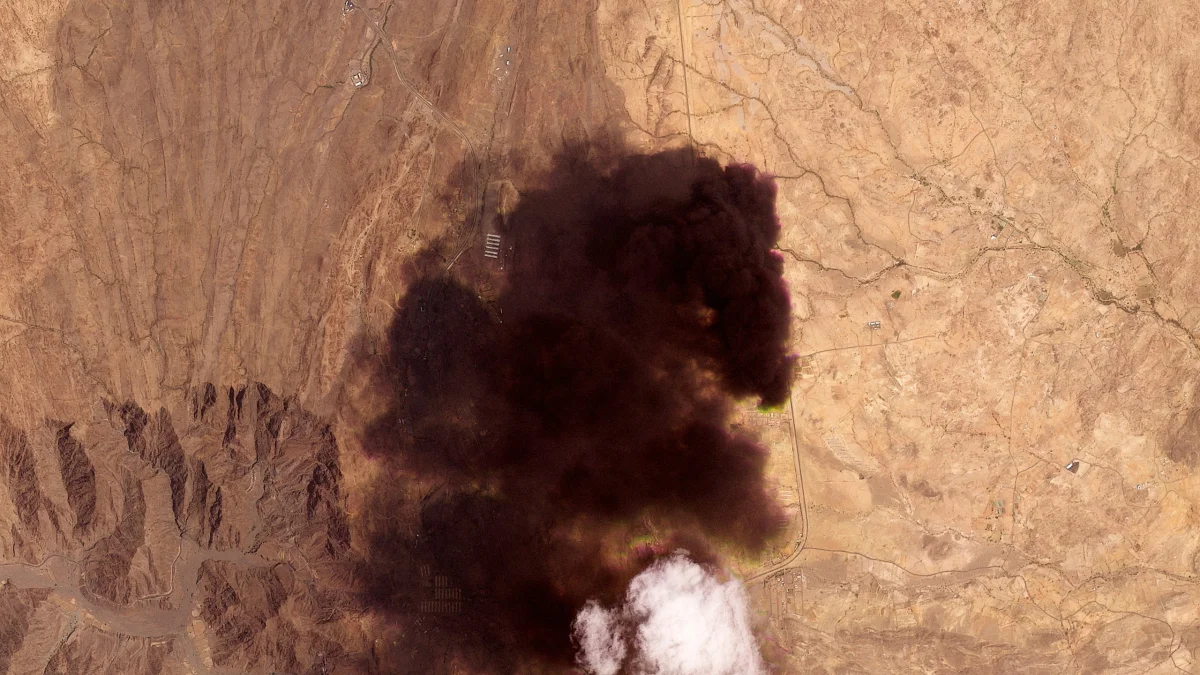
The kingdom is working to protect alternative routes for oil exports. Crude oil loading resumed in Yanbu on Tuesday after the East-West oil pipeline was restarted. The pipeline had been shut down following a Sept. 11 drone attack that Riyadh attributed to Iraqi militias.
Yanbu is strategically important because the port enables Saudi oil to reach the Red Sea without passing through the Strait of Hormuz. However, keeping that route open depends partly on the security situation in western Yemen.
Risks increase in the Red Sea
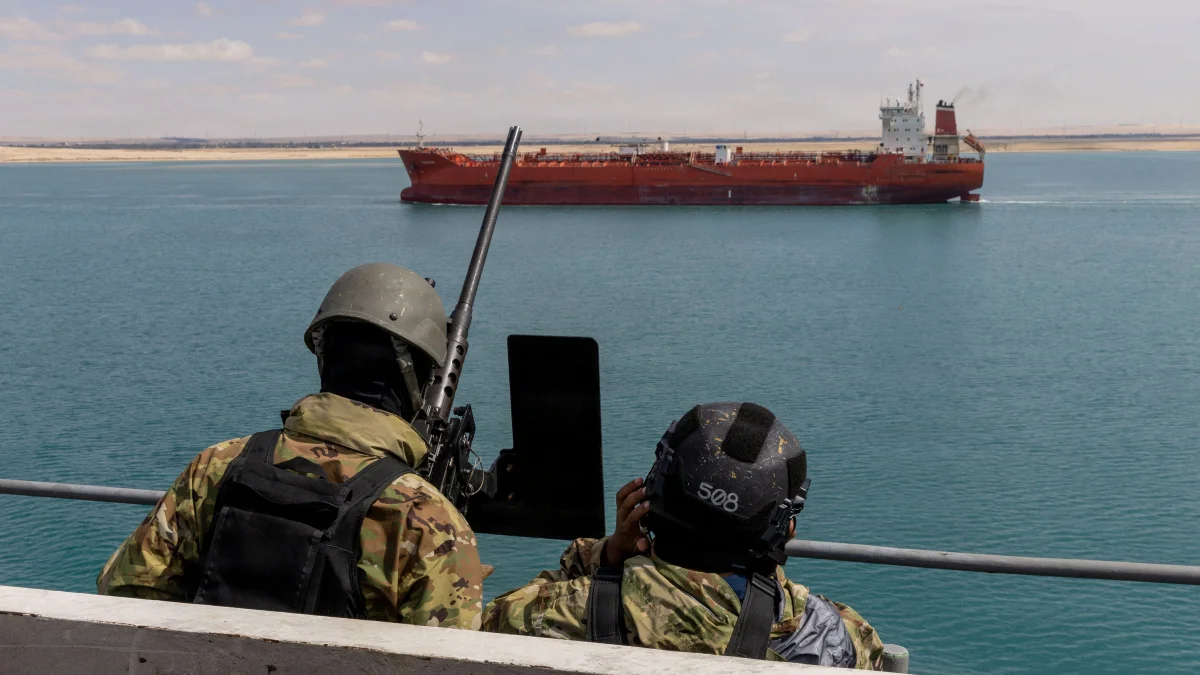
The Houthis’ capture of territory along Yemen’s Red Sea coast has brought them closer to the Bab al-Mandab Strait. This has increased risks for ships traveling between the Red Sea and the Gulf of Aden.
During the latest fighting, maritime traffic through the strait fell sharply. Alongside problems around the Strait of Hormuz, this has created additional pressure on the global shipping system.
For Riyadh, the threat is no longer limited to defending against missile attacks along its southern border. It now also involves territory in Yemen, shipping in the Red Sea and the protection of energy infrastructure.
Although US Secretary of State Marco Rubio publicly reaffirmed Washington’s defense commitments to Saudi Arabia, he did not promise direct US military intervention against the Houthis. This situation leaves Riyadh relying on a combination of its own military capabilities, US intelligence and defense assistance.
The Houthis, meanwhile, have signaled that they do not want a direct confrontation with the United States. US President Donald Trump said Washington was holding talks with the group. Sources who spoke to The National said the Houthis had conveyed through intermediaries that they would not target American ships.
The situation has created an unusual balance: Saudi Arabia is seeking stronger US support against the Houthis, while Washington is trying to protect its interests without opening a new large-scale military front in Yemen.
If Yemeni government forces can halt Houthi reinforcements and prevent their advance, Riyadh may have more room to contain the threat without broad US intervention. If the Houthis continue advancing toward strategic areas and increase attacks on Saudi cities, energy facilities and shipping in the Red Sea, pressure on Washington could grow.
Saudi Arabia is currently acting on two fronts: expanding diplomatic coordination with Washington and seeking to ensure that its allies in Yemen prevent the Houthis from assembling forces for another offensive.
The key question is whether the preemptive strategy can slow the Houthi advance before the fighting moves even closer to Saudi Arabia’s borders and the region’s vital maritime routes.