 OMM Redaksiyası

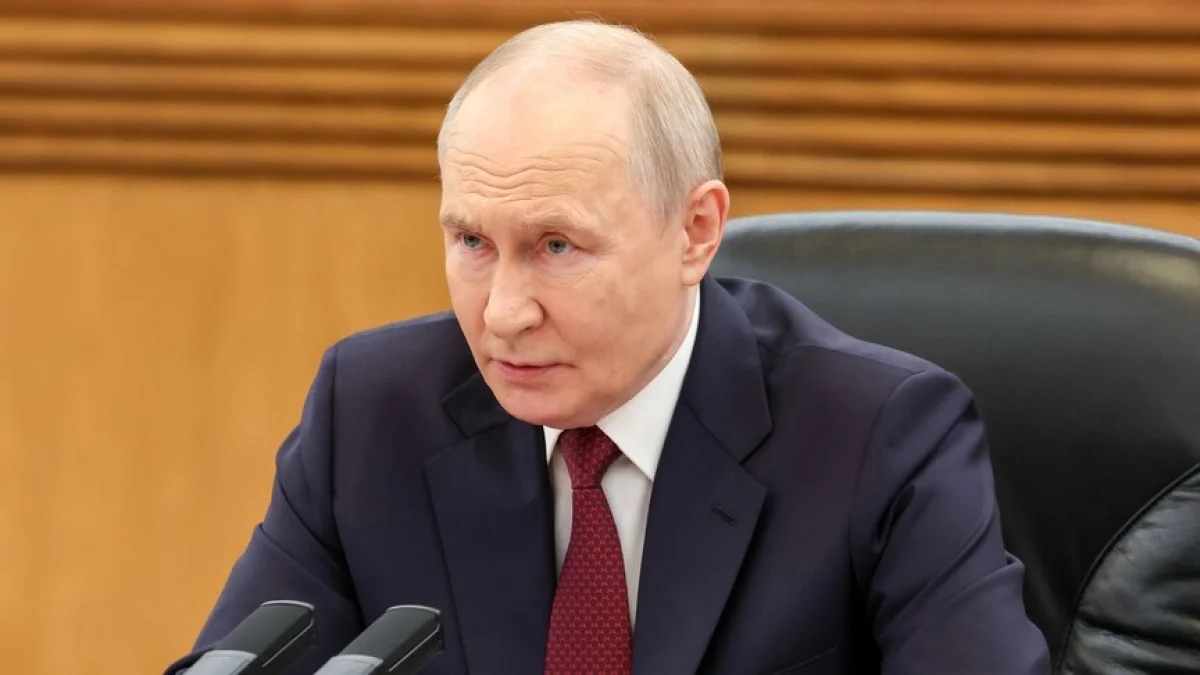
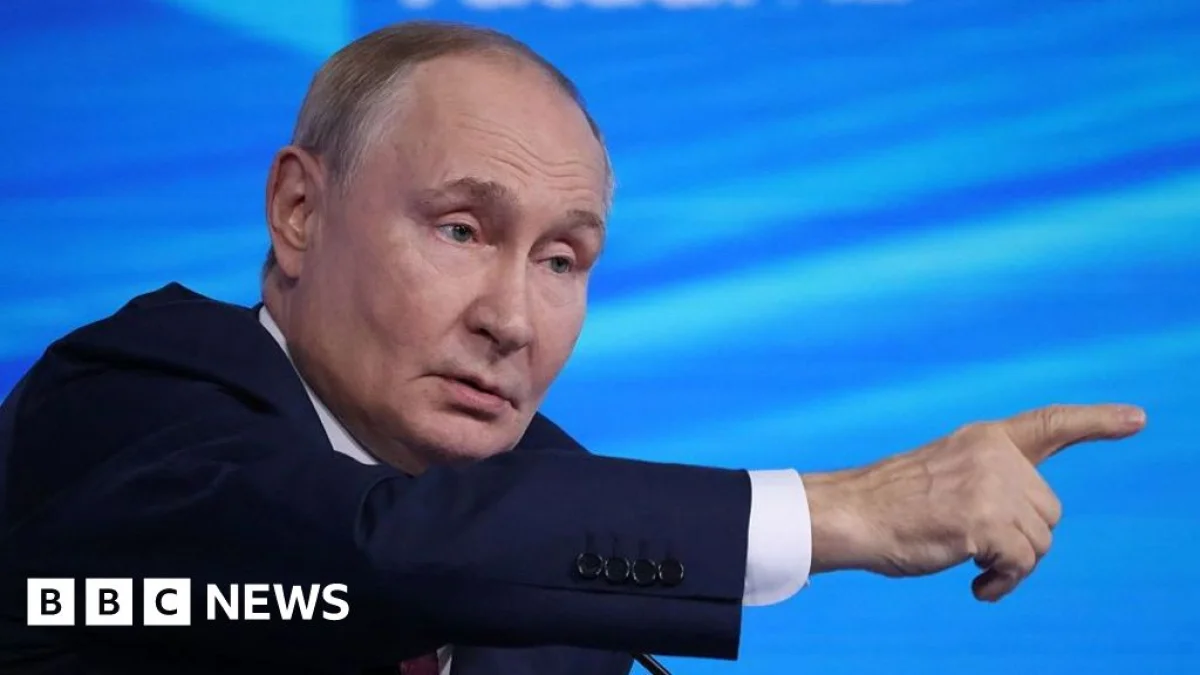
Russian President Vladimir Putin said Thursday that Moscow expects to seize the remaining Ukrainian-held areas of Donetsk region much sooner than Ukraine and European countries anticipate.
Speaking at a meeting of the Valdai Discussion Club in Moscow, Putin said Ukrainian and European officials believed Kyiv could hold the territory for between 18 months and two years. He said Russia expected its forces to advance more quickly.
“High-ranking officials in Ukraine say they will hold the remaining 11% of the territory of the Donetsk People’s Republic for another year and a half. In Europe, they say Ukraine will hold it for two years. We believe this will happen much earlier, given the pace of our troops’ advance,” Putin said.
Putin’s claims about Russian advances
Putin said Russian forces had brought 1,301 square kilometres (502 square miles) under their control in September, which he described as two and a half times more than in previous months. He added that the pace of the advance was increasing.
He reiterated that Moscow wanted to end the conflict through negotiations as soon as possible, but said an agreement would require security guarantees from Western countries and conditions for lasting peace. Russia’s demand for Ukraine to have neutral status also remained among Moscow’s goals, he said.
Putin said a settlement should address matters including the Russian language and the Orthodox Church in Ukraine. He said it would be preferable to prevent further casualties on both sides and reach political solutions.
Black Sea shipping and strikes
Putin said Russia had been ready to resume negotiations immediately after legislative elections held from Sept. 18 to 21, but alleged that Ukrainian strikes during the voting had prevented this. He claimed that more than 1,600 drones were launched between the evening of Sept. 19 and the morning of Sept. 20 in an attempt to breach Moscow’s air defences and attack the capital and polling stations in other Russian regions.
He rejected calls for Russia to stop strikes against Ukrainian vessels in the Black Sea, saying Moscow began responding after attacks on Russian tankers and other ships carrying civilian cargo. Putin said Russian strikes in the Black Sea had targeted military vessels or ships carrying military equipment.
He also said Russia would respond “symmetrically” to attempts to detain Russian vessels, whether in the Baltic Sea or the Atlantic Ocean. Putin linked Moscow’s actions to Ukrainian strikes on Russian oil refineries, saying Russia had retaliated by targeting facilities important to Ukraine’s economy. He said Russian estimates put the cost of the refinery attacks at about 1% of the country’s gross domestic product.
Asked about proposals to halt strikes on Ukrainian vessels in exchange for an end to attacks on Russian refineries, Putin said such an arrangement could be considered only on the basis of mutual interests. He argued that a halt to attacks on Ukrainian ships carrying civilian and agricultural goods would not address restrictions on Russian oil and petroleum products, which he said could not enter world markets because of bans and sanctions.
Western involvement and other remarks
Putin thanked US First Lady Melania Trump for her assistance on humanitarian issues between Russia and Ukraine. He also rejected claims that Russia was nationalising European assets, calling them “a lie and a provocation”, and said Western owners could recover their assets in Russia if conditions developed favourably.
Russia was closely monitoring the origins of weapons supplied to Ukraine, Putin said, distinguishing arms deliveries from direct Western involvement in strikes deep inside Russian territory. He said Moscow had no plans to attack countries supplying Ukraine or any Western country, including in 2029, 2030 or 2050. However, he described the involvement of Western technical specialists in strikes inside Russia as a different level of participation.
On the Palestinian issue, Putin said a resolution was possible only through the creation of a full-fledged Palestinian state. He also questioned the idea that US policy towards Palestine was dictated by Israel.