 OMM Redaksiyası

Pope Leo XIV begins a four-day visit to France on Friday, becoming the first pontiff to make an official state visit to the country since Benedict XVI in 2008. The Vatican has described the Sept. 25-28 trip as an Apostolic Journey, according to the original report.
The pope’s itinerary includes meetings in Paris, the Catholic pilgrimage site of Lourdes and the eastern city of Metz, near the borders with Germany, Luxembourg and Belgium. He is scheduled to meet French political leaders, young Catholics, abuse survivors, migrants, educators and representatives of other religions.
Why the visit is considered historic
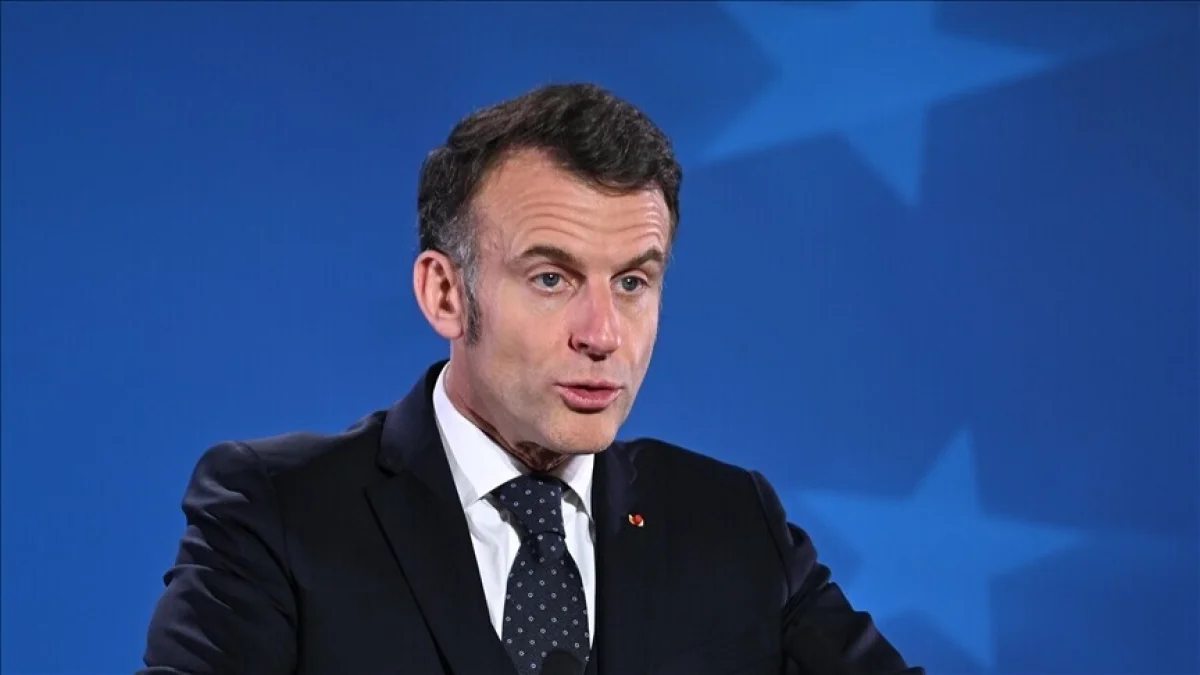
Leo XIV is travelling to France at the invitation of President Emmanuel Macron, French Church authorities and the director-general of UNESCO. Although Pope Francis visited Strasbourg in 2014, Marseille in 2023 and Corsica in 2024, none of those trips was an official state visit.
The distinction makes Leo’s journey the first official papal state visit to France since Benedict XVI visited Paris and Lourdes in 2008. It will also offer an early indication of how the first US-born pope engages with European governments and increasingly secular societies.
Where will Pope Leo travel?
The pope is due to arrive at Paris-Orly Airport on Friday morning and meet Macron at the Elysee Palace. He will then address French authorities, civil society representatives and the diplomatic corps.
At UNESCO headquarters, education, cultural dialogue, heritage and peace are expected to be key themes. Leo will also attend evening prayers at Notre-Dame Cathedral and a youth vigil at the Stade de France.
On Saturday, he will visit Maison Bakhita, a Paris centre supporting migrants and refugees, and meet participants in the French Church’s synodal process, catechumens and recently baptised Catholics. He will celebrate an outdoor Mass at Place de la Concorde before travelling to Lourdes.
His Sunday programme includes a meeting with French bishops, Mass at the Lourdes sanctuary and visits with sick and disabled people. The trip will conclude in Metz on Monday with an interreligious gathering, a meeting on Europe’s roots, peace and unity, and Mass at Saint-Etienne Cathedral.
Abuse crisis and assisted dying
The pope is expected to meet privately in Lourdes with survivors of sexual abuse by Catholic clergy, according to media reports. The meeting is likely to be among the most closely watched moments of the visit.
France’s Independent Commission on Sexual Abuse in the Catholic Church, known as CIASE, estimated in a landmark 2021 report that about 216,000 people had been sexually abused as minors by members of the clergy or religious orders since 1950. The estimate rose to approximately 330,000 when abuse involving lay people working in Church institutions was included.
The visit comes just over a month after France enacted a law establishing a right to assisted dying for eligible adults suffering from serious and incurable medical conditions. French bishops strongly opposed the measure, calling its adoption a “grave rupture” and warning that euthanasia and assisted suicide could put vulnerable, elderly, disabled and seriously ill people under pressure.
Protection of life, care for vulnerable people and access to medical treatment are among the official themes of the journey. It remains unclear whether Leo will directly challenge the law during his meeting with Macron.
Religion, secularism and Europe
The pope will be addressing a country shaped by laïcité, France’s model of state secularism, where formal religious participation has declined substantially. Data from France’s national statistics institute showed that 51% of people aged 18 to 59 in metropolitan France said they had no religion in 2019-2020. Among those identifying as Catholic, only 8% said they attended a religious service at least once a month.
Leo’s programme includes prayer at Notre-Dame Cathedral, Mass at Place de la Concorde and meetings with French political leaders. In Metz, located in the Alsace-Moselle region, he will visit an area where the 1905 law separating churches and the state does not apply. Several religions, including Catholicism, remain formally recognised there because of the region’s distinct historical and legal development.
At UNESCO, the pope is expected to link education and culture with peace, international cooperation and the ethical challenges posed by artificial intelligence. He has called for international regulation of AI and, on Sept. 21, urged the development of systems that serve human dignity and strengthen peace.
Metz was also chosen for its location in a region shaped by European wars, shifting borders and Franco-German reconciliation. Its association with Robert Schuman, one of the architects of European integration, will provide a setting for discussions on war, peace and Europe’s political future.