 OMM Redaksiyası

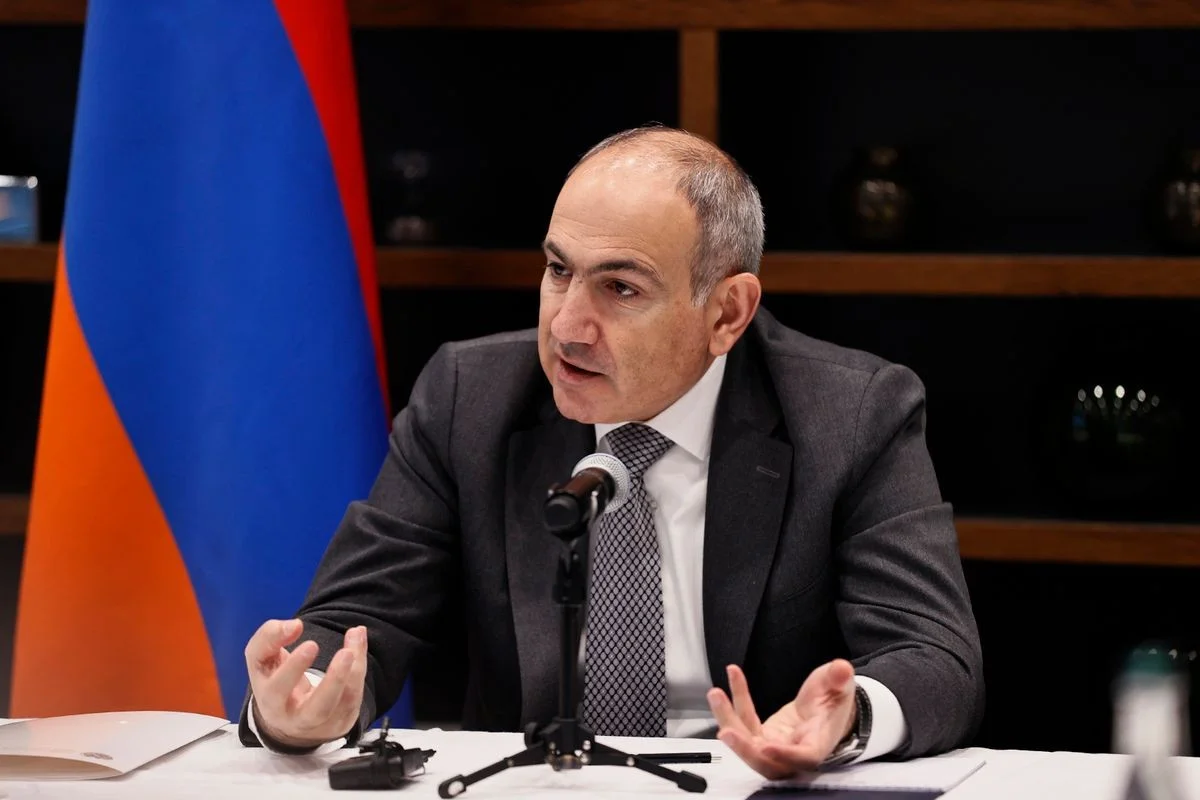
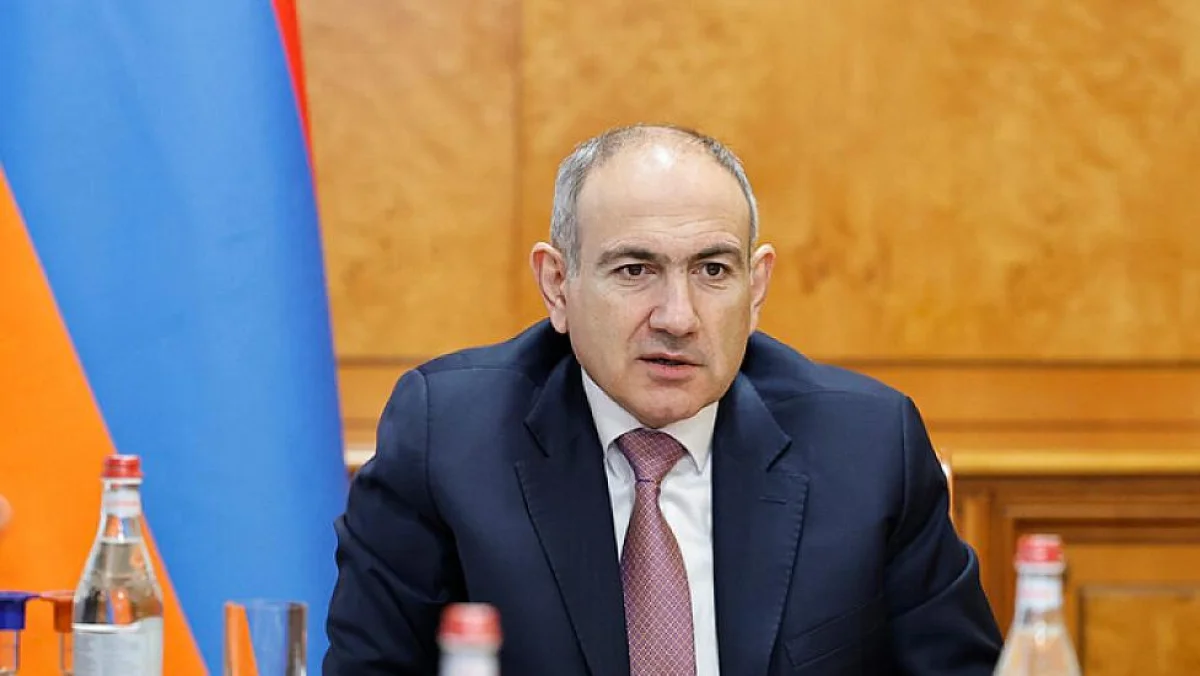
Armenian Prime Minister Nikol Pashinyan said Yerevan would not object if Russia decided to withdraw its 102nd military base from the country.
Speaking at a news briefing on Thursday, Pashinyan said Armenia had never raised the issue of ending Russia’s military presence with Moscow. According to him, Russia itself had now put the matter on the agenda.
“If they want to withdraw, let them withdraw,” Pashinyan said.
The prime minister said events in September 2022 had shown that the 102nd military base was “not vital” to Armenia’s security. Although he said the base made no additional contribution to the country’s security, Pashinyan stressed that Yerevan was ready to discuss the issue if Russia wanted to remain.
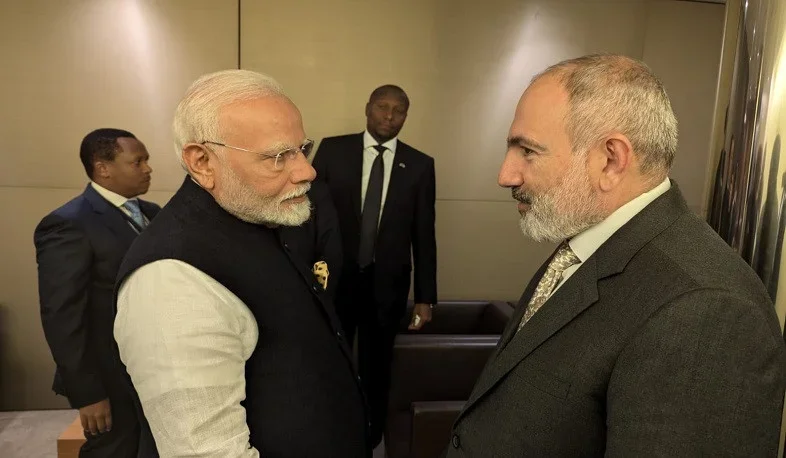
Pashinyan’s remarks came after Russian President Vladimir Putin made comments earlier this month. Speaking to journalists on Sept. 2 after a Shanghai Cooperation Organization summit in Bishkek, Putin said Russia could withdraw its military personnel from Armenia “even tomorrow” if Yerevan did not want them there.
The Russian president also said Moscow was ready to maintain its military presence if Armenia wanted military cooperation to continue.
Russia’s 102nd military base has been stationed in Gyumri since 1995. A subsequent agreement extended the base’s operation until 2044.
Pashinyan has repeatedly said Armenia has not demanded the base’s withdrawal. Addressing parliament on Wednesday, he said neither he nor any other Armenian official had discussed the issue with Putin or other senior Russian officials.
The comments come as Armenia seeks to pursue what Pashinyan has called a “more balanced foreign policy” after decades of close security ties with Moscow.
Pashinyan also addressed strained relations with the Russia-led Collective Security Treaty Organization. He said Armenia should not be threatened with expulsion from the alliance: “If they want to expel us, let them expel us.”
The Russian military base in Gyumri is part of Moscow’s longstanding security presence in Armenia, while the country’s relations with Russia and the CSTO have come under increasing strain in recent years.