 OMM Redaksiyası

The Organization of Turkic States (OTS) was initially established as a platform for cooperation based on shared language and culture, but in recent years it has evolved into a regional organization covering the economy, investment, energy, transport and security.
This week, senior officials, economists and policy researchers from member and observer states are discussing closer economic cooperation in Baku. The agenda focuses on the Middle Corridor, trade, investment and digital transformation.
Which countries are members of the organization?
The organization was established in 2009 under the Nakhchivan Agreement as the Cooperation Council of Turkic-Speaking States. Previously known as the “Turkic Council,” it was renamed the Organization of Turkic States in 2021.
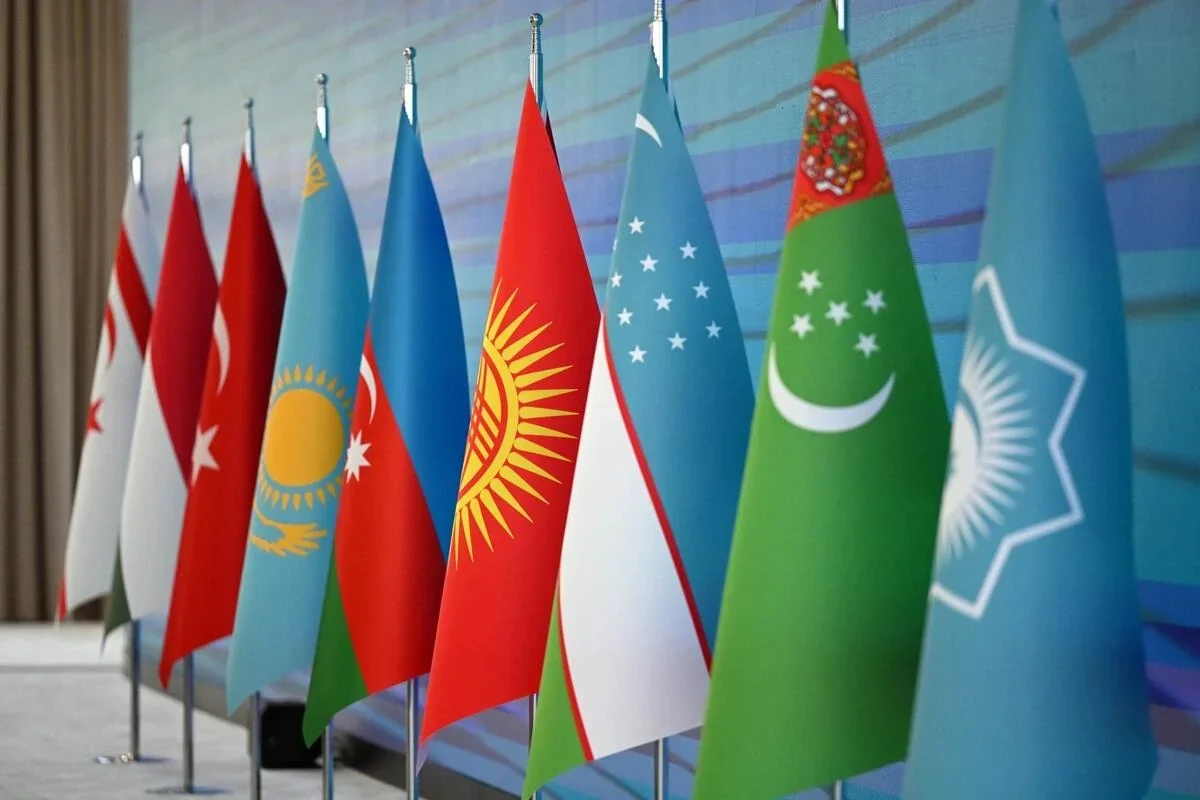
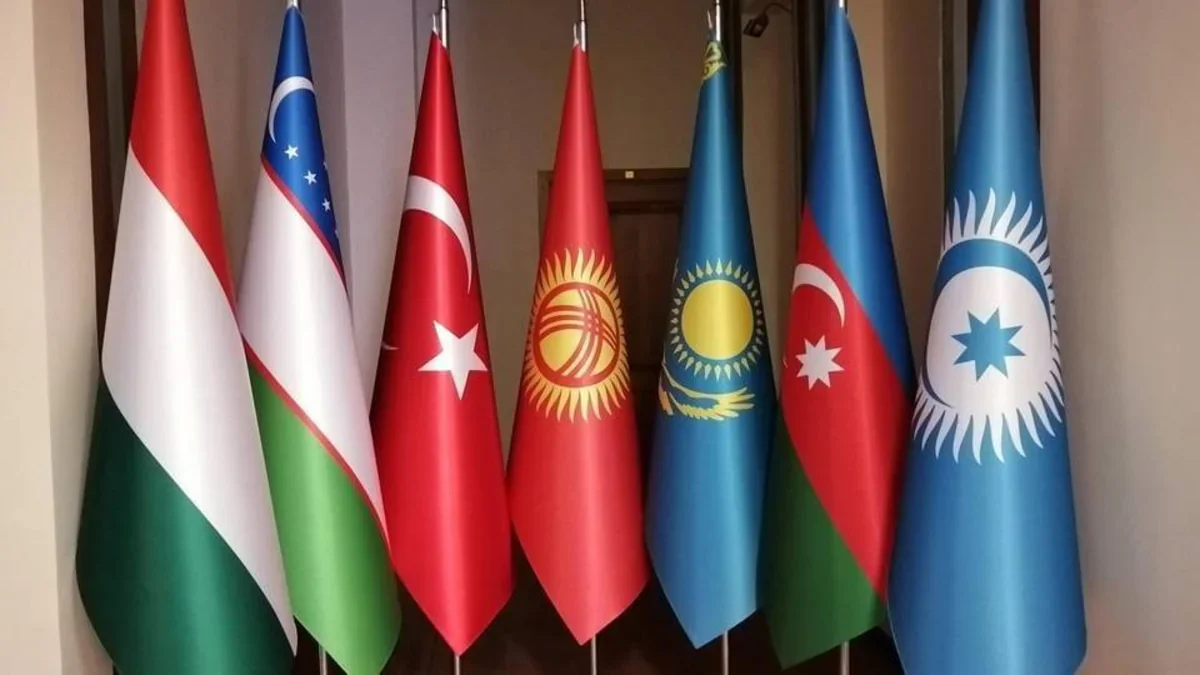
The OTS has five full members: Azerbaijan, Kazakhstan, Kyrgyzstan, Türkiye and Uzbekistan. Hungary, Turkmenistan and the Turkish Republic of Northern Cyprus have observer status. The Economic Cooperation Organization is also represented as an observer.
The organization coordinates cooperation in dozens of areas, including foreign policy, trade, transport, energy, agriculture, education, healthcare, migration and security.
What opportunities does membership create?
The OTS is not a union modeled on the European Union. It does not adopt laws that automatically enter into force in member states, establish a single market or remove national borders. Instead, the states develop various agreements and mechanisms to facilitate trade, investment and economic ties.
The Simplified Customs Corridor is intended to speed up cargo movement by expanding the exchange of information. Member states also cooperate on electronic road permits and digital freight documents.
Transport is one of the OTS’s main priorities. Efforts are under way to coordinate road, rail and maritime networks and reduce logistical obstacles along the Middle Corridor, which connects China and Central Asia with Europe via the Caspian Sea, Azerbaijan and Türkiye.
The Turkic Investment Fund was also established with authorized capital of $600 million to expand economic cooperation. The fund is designed to support businesses and joint projects.
Is the OTS a military alliance?
No. Unlike NATO, the OTS has no collective defense provision and does not oblige other member states to provide military assistance in the event of an attack on one of its members.
However, the organization serves as a platform for cooperation in combating terrorism, organized crime and threats to border security. Member states have also established a civil protection mechanism to coordinate responses to natural disasters and other emergencies.
At the OTS summit held in Gabala in 2025, the leaders called for stronger coordination on regional security and foreign policy issues. Nevertheless, the organization does not provide the binding security guarantees characteristic of military alliances.
How influential is the organization?
The OTS’s potential is linked to the economic capabilities and strategic geography of its member and observer states. According to figures presented at the Baku conference, the countries included in the analysis had a combined population of 178.8 million in 2025, a total gross domestic product of $2.11 trillion and combined trade turnover of $1.13 trillion.
These countries are located along a strategic route linking Central Asia, the Caspian region, the South Caucasus and Europe.
At the same time, the organization’s capabilities are limited. Its decisions are based on cooperation among sovereign states, and the OTS cannot compel its members to implement specific policies. Consequently, the organization’s influence depends on turning political commitments into effective transport links, investment projects and practical agreements.
Key priorities
The organization’s “Turkic World Vision 2040” document sets the goals of deeper political coordination and economic integration while safeguarding the sovereignty of member states.
Short-term priorities include increasing trade and investment, developing the Middle Corridor, improving energy and transport connectivity, digitizing trade and customs procedures, and strengthening regional value chains.
The discussions in Baku are also focused on transforming expanding political cooperation into concrete economic integration.