OMM Redaksiyası

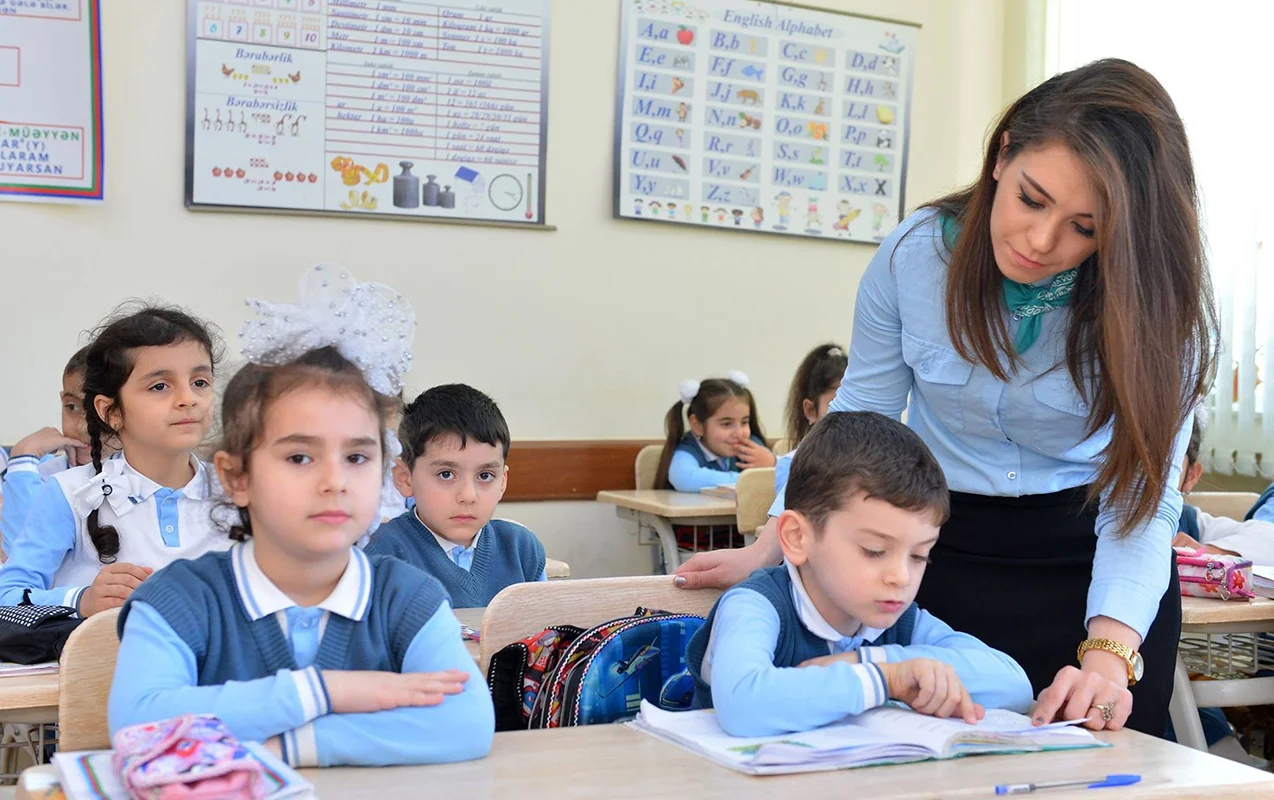
A new mechanism for financing public general education institutions will be introduced in Azerbaijan. Under a decree signed by President Ilham Aliyev, public general education institutions will gradually be financed from the state budget based on the per-student funding principle starting from the 2026–2027 academic year. Under the new model, annual education expenditure per student will be determined, with increased coefficients applied to different levels of general education.
How will the introduction of the per-student funding principle affect the operation of public schools and the quality of education?
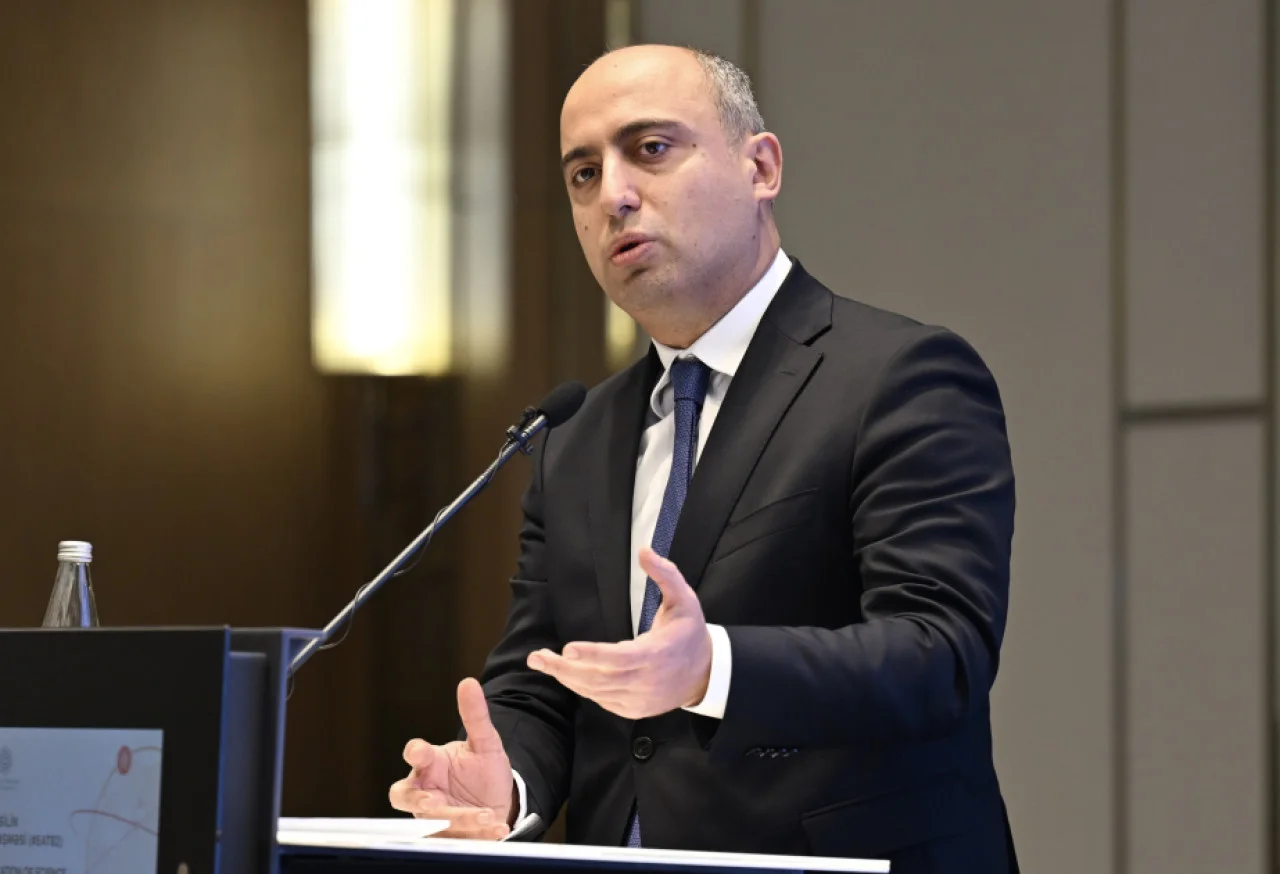
Speaking to “Operative Information Center-OMM” on the issue, Milli Majlis (National Assembly) deputy Elchin Mirzabayli said that the gradual transition to the per-student funding mechanism was an important step toward making education system management more flexible, transparent and results-oriented:
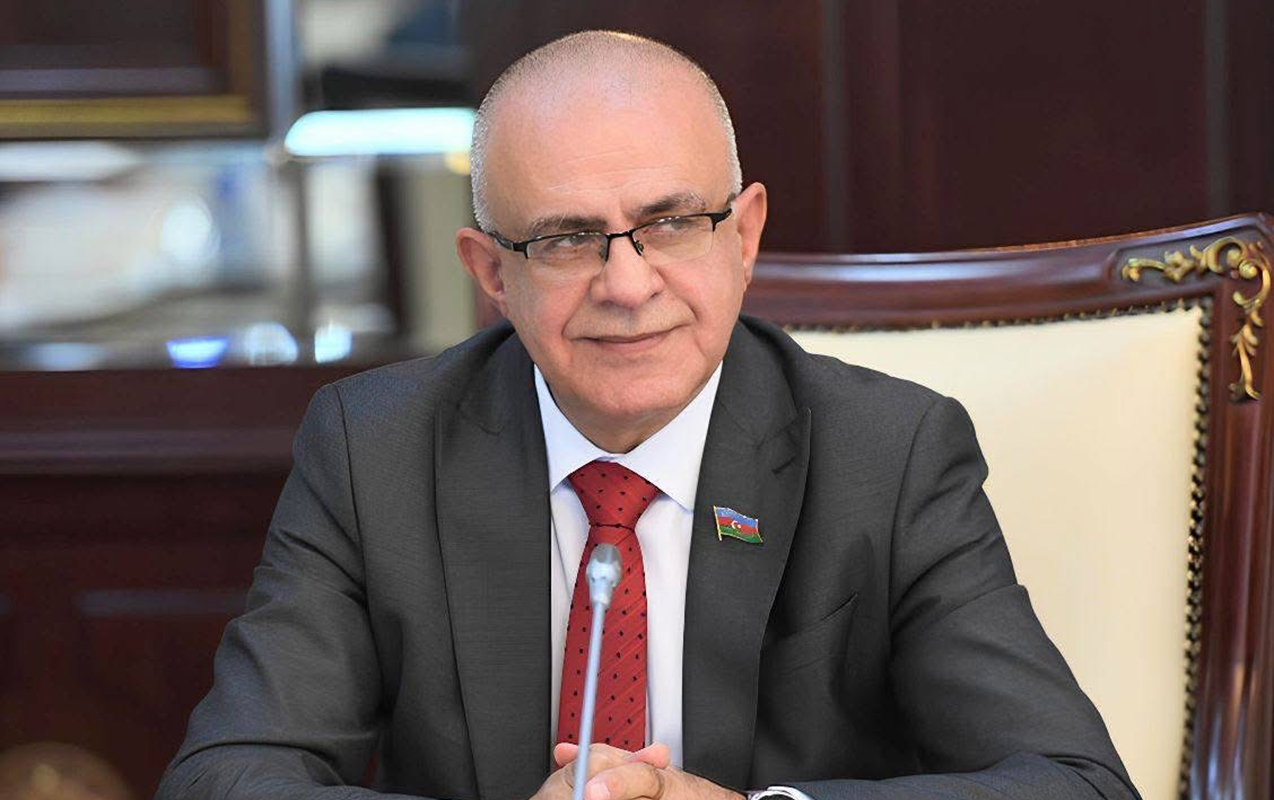
“This decision should not be viewed merely as a change in the financing mechanism, but as a new approach that will make it possible to take school performance, student needs and education quality indicators into account in a more systematic manner. One of the main advantages is that financing will be more closely linked to schools’ actual student populations. Such an approach could encourage school administrations to use resources more efficiently, increase accountability and expand opportunities for students.”
The deputy stressed that competition should not be understood solely as a comparison between schools:
“The main aim is to provide schools with additional opportunities to achieve better results, improve the educational environment, use teachers’ potential more effectively and strengthen cooperation with parents. Of course, the financing mechanism itself does not automatically guarantee quality. Objective assessment, accountability of school administrations, teachers’ professional development and monitoring of educational outcomes must also be carried out in parallel.”
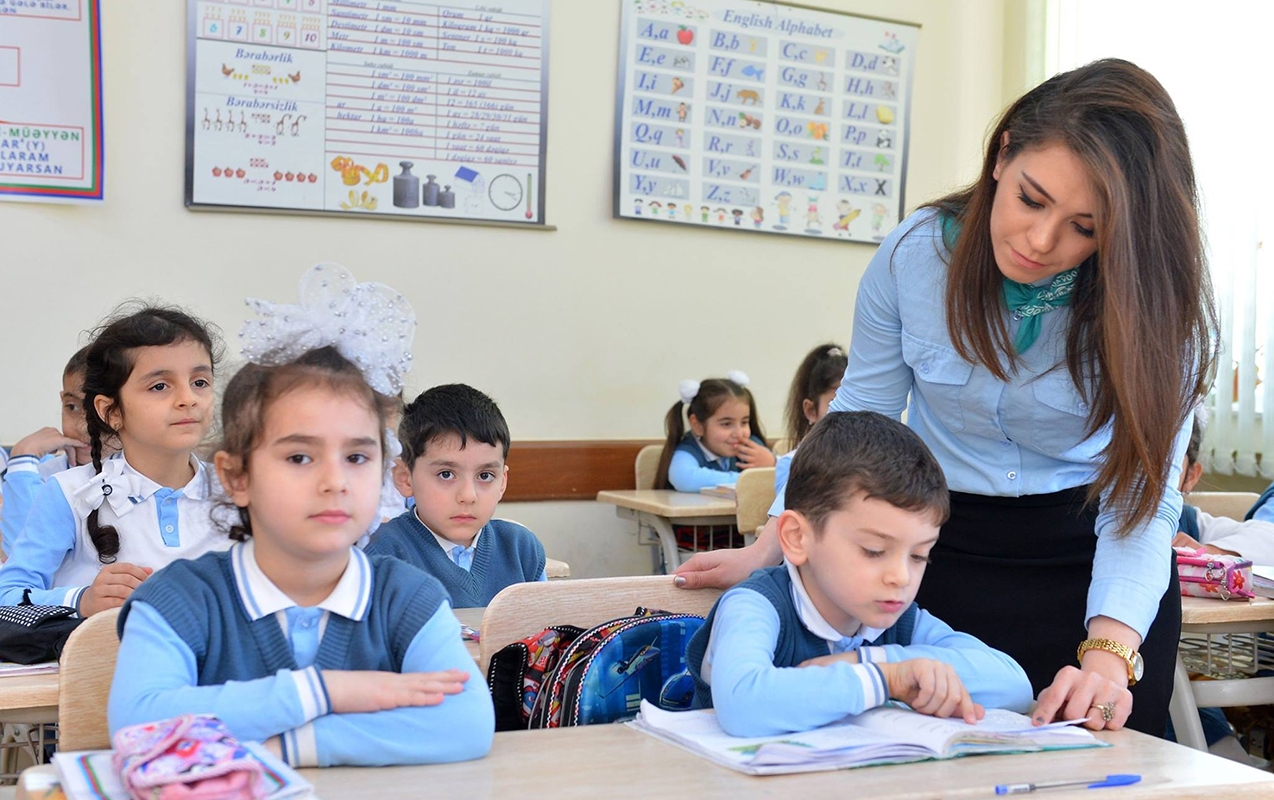
Addressing the situation of small-complement schools in remote and mountainous areas, Elchin Mirzabayli highlighted the importance of a differentiated approach:
“The per-student funding mechanism cannot be applied without taking social and geographical realities into account. It would be wrong to assess the needs of a school in Baku and those of a school with a small number of students operating in a remote mountain village according to the same criteria. That is why the decree provides for the application of increased coefficients at different levels to annual education expenditure per student according to the types of general education institutions. When the Cabinet of Ministers prepares specific rules, the characteristics of remote and mountainous schools must be taken into account. The aim is not simply to provide financing based on the number of students, but to ensure every child’s right to quality education.”
In conclusion, the deputy emphasized the importance of motivating teachers and ensuring staffing:
“The teacher is at the center of education. The new mechanism will give schools greater flexibility in using their resources, and part of these funds could be directed toward teachers’ professional development, additional incentives and advanced training programs. Particularly in the regions, attracting professional teachers requires consideration not only of salaries, but also housing, transport and social support opportunities. Overall, this transition represents an important stage in moving from the logic of distributing resources to the logic of financing outcomes and opportunities for students.”
Per-student financing is generally intended to link public resources more closely to the number and needs of learners. Its effectiveness will depend on transparent rules, appropriate safeguards for schools serving small or disadvantaged communities and continued monitoring of education quality.