OMM Redaksiyası

From the Persian Gulf to the Horn of Africa, governments are taking steps to address the potential consequences of a conflict they cannot control. Contingency plans are already beginning to reshape trade routes, alliances and the region’s political map.
Although most Middle Eastern capitals have not said so publicly, they believe the current crisis will not be resolved easily. The prospect that tensions could turn into a prolonged confrontation or escalate further is prompting governments to take a range of steps, from developing new pipelines and reserves to cutting diplomatic ties and negotiating with armed groups.
Why has trust weakened?
The war involving Iran, its allies and its rivals has spread across several fronts. State authority is contested in countries such as Iraq, Yemen and Sudan, while alliances that once appeared stable are becoming increasingly conditional.
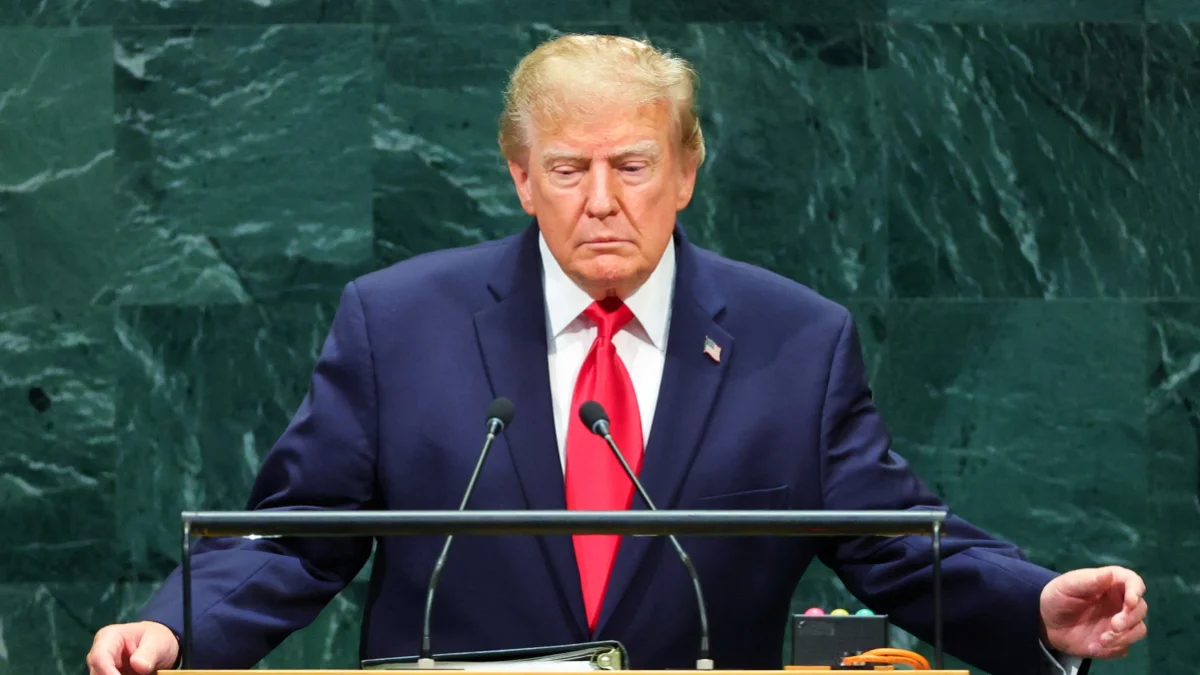
Gulf states, which long relied on US security guarantees, have for some time been trying to diversify their risks. They are expanding ties with Tehran, Beijing and Moscow while continuing to buy weapons from the United States.
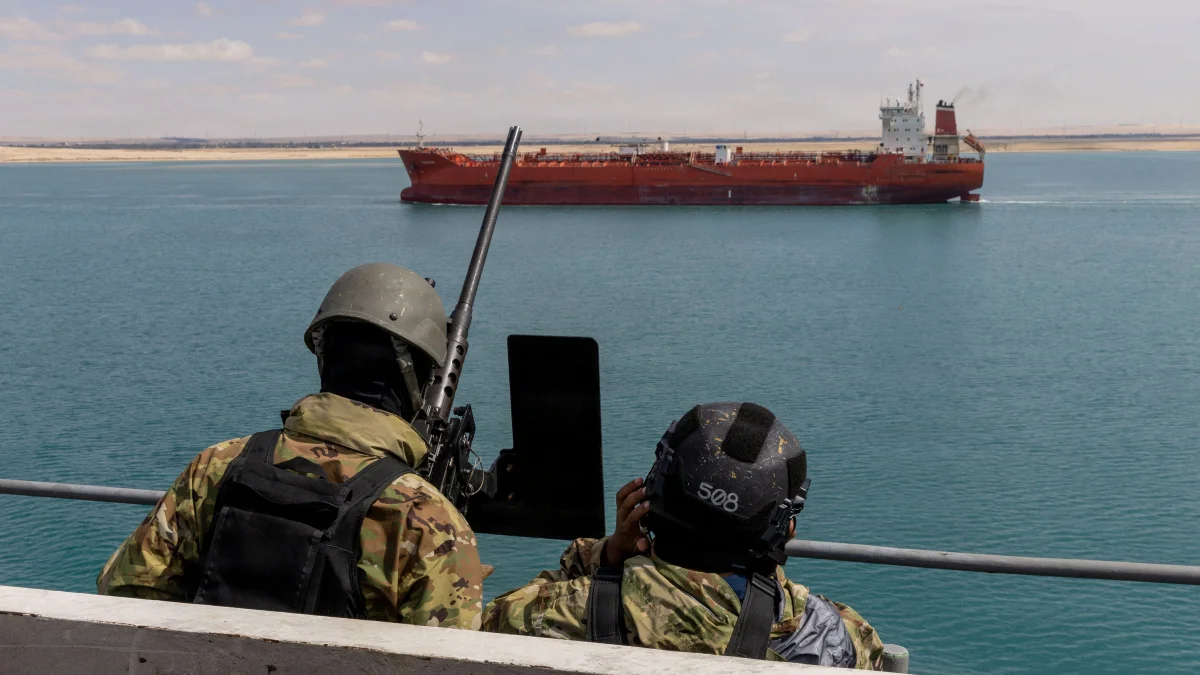
The economic consequences are also being felt. Since late 2023, attacks on ships in the Red Sea have forced carriers to avoid the Suez Canal. Threats around the Strait of Hormuz, through which about one-fifth of the world’s oil is shipped, have exposed the vulnerability of the Gulf’s export model. Insurance costs have risen, shipping schedules have changed, and pressure has mounted on the budgets of governments reliant on transit fees, oil revenues and trade corridors.
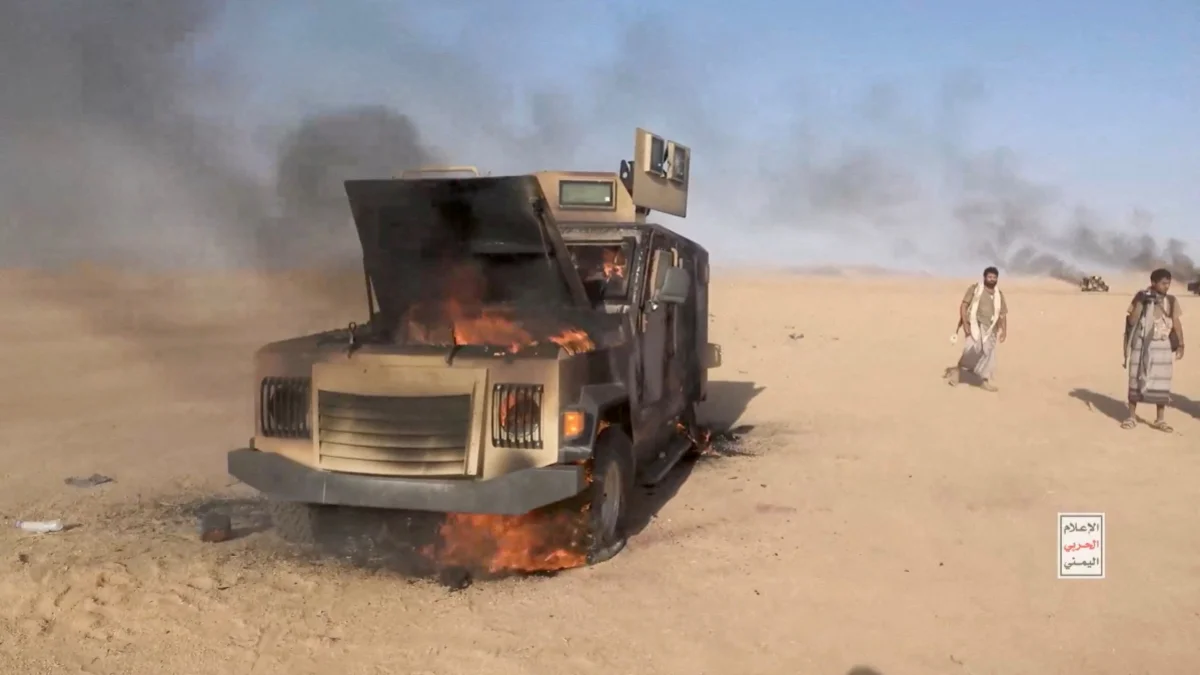
The security landscape has also fragmented. Armed groups with their own weapons, funding and agendas operate across borders. A missile or drone launched from one country can have consequences in another, while it is unclear who can exert influence over these groups.
Gulf states question how long Washington will remain in the region. Baghdad distrusts the armed groups it is expected to manage, while Egypt and Ethiopia distrust each other over the Nile and the Red Sea. China, too, is assessing how reliable its energy supplies from the Gulf will be. Countries are making plans for the possibility that others may not fulfil their promises.
New tensions in Iraq and the Horn of Africa
The withdrawal of US troops from Iraq is based on an understanding reached by Washington and Baghdad in 2024 to gradually conclude the coalition mission. Because the move is taking place amid a regional war, it has raised the question of who will fill the resulting vacuum in Iraq.
Baghdad wants all weapons to be under state control. Groups close to Iran, many of them linked to the Popular Mobilization Forces, refuse to hand over weapons they regard as their own. Although the government holds formal authority, these groups possess much of the weaponry and political influence.
Areas that Iraq does not fully control could be used to pressure its Gulf neighbors and transfer weapons to other fronts, including to the Houthis in Yemen. At a time when external support has declined compared with previous years, Baghdad’s main task is to prevent the country from becoming part of this chain.
The severing of diplomatic relations between Ethiopia and Eritrea comes amid rising tensions in the Red Sea. Ethiopia, with a population of more than 100 million, became landlocked after Eritrea gained independence in 1993. Addis Ababa is seeking access to the sea and a greater role in the Red Sea. Eritrea, which has a long and strategically important coastline, does not want to share its influence.
The potential consequences of this confrontation could affect neighboring countries as well. Egypt, which disagrees with Ethiopia over a dam on the Nile, has an interest in Red Sea security. The war in Sudan could draw the country into regional realignments. Djibouti hosts foreign military bases and serves as the route for much of Ethiopia’s trade.
New energy and trade routes
China’s restrictions on exports of refined oil products are seen as a precaution against possible energy supply disruptions. One of the world’s largest energy consumers, China buys substantial volumes of crude oil from the Persian Gulf. With the conflict disrupting energy flows, the country is building a buffer against a prolonged crisis by preserving domestic reserves.
The move sends mixed signals to Saudi Arabia, the United Arab Emirates and Qatar: China remains an important buyer for them, but a country protecting its domestic market and increasing its reserves is becoming less dependent on individual suppliers.
Although some shipping and energy flows have resumed, companies have changed routes, renegotiated insurance terms and made plans for the longer journey around the Cape of Good Hope. Before the Houthi attacks, the Suez Canal carried about 12 percent of global trade. Canal revenues are important to the Egyptian government, which is facing financial difficulties.
Even if security improves, shipping companies will want to be sure that stability will last before returning to the Suez route. Changing logistics and insurance arrangements built up over many months may take time, and some of the lost traffic may not return.
Gulf states are building overland routes to reduce their dependence on the Strait of Hormuz. Saudi Arabia routes oil through its East-West pipeline to the Red Sea port of Yanbu, while the UAE sends oil to the port of Fujairah on the Gulf of Oman. Ethiopia depends on the Djibouti corridor, while Egypt is seeking to protect the Suez Canal. Türkiye is also expanding its role as a logistics bridge between Asia, the Persian Gulf and Europe.
Individually, these steps can be seen as insurance against risk. Taken together, however, they show that countries in the region no longer rely as they once did on vital sea lanes remaining open at all times. Whether the current preparations amount to prudent planning or readiness for a more serious confrontation will depend on how neighboring states use them and where the next flashpoint emerges.