 OMM Redaksiyası

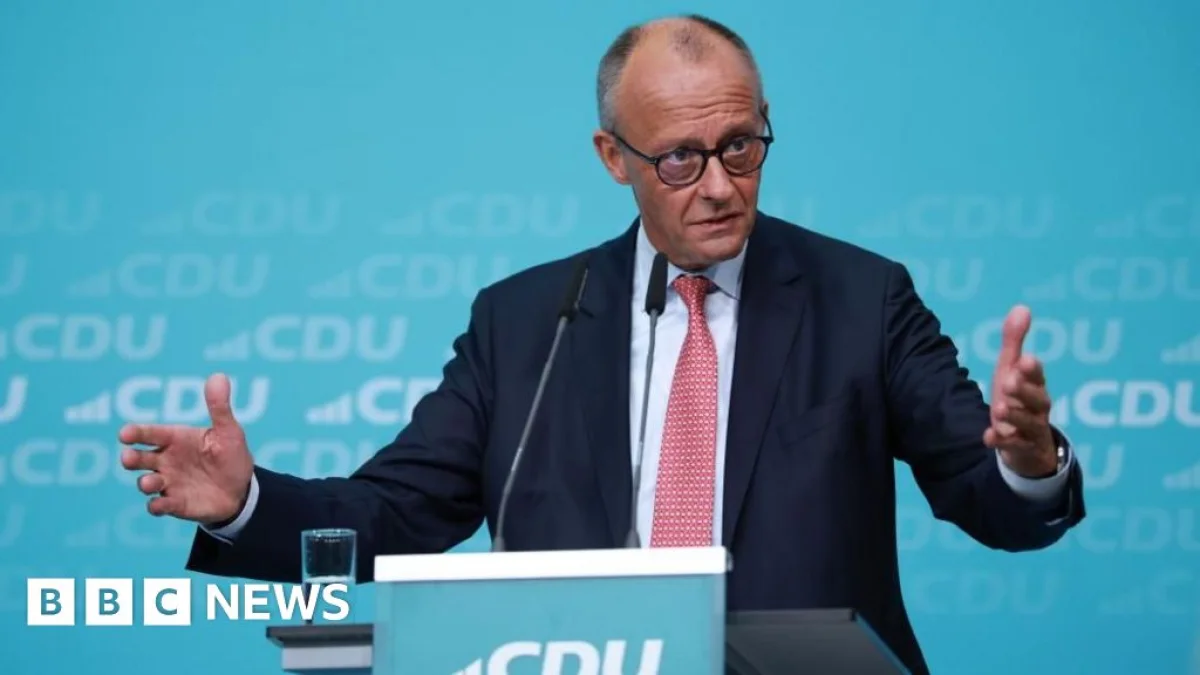
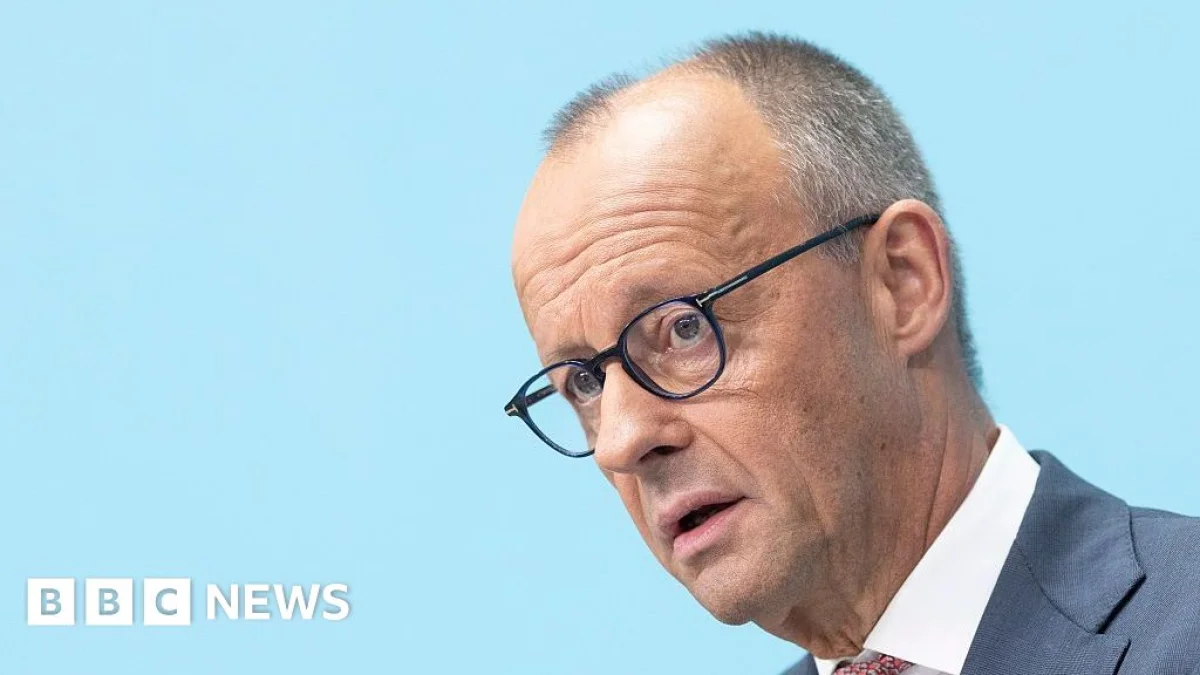
German Chancellor Friedrich Merz’s political future is under increasing pressure after a series of poor election results for his conservative Christian Democratic Union (CDU), while the far-right Alternative for Germany (AfD) continues to strengthen its position. The developments are raising concerns about political stability in Germany and their potential impact on the European Union.
Merz’s approval rating has fallen to 13%, the lowest recorded for any German chancellor since polling began, according to the BBC. Voters have increasingly described the former corporate lawyer as out of touch and arrogant.
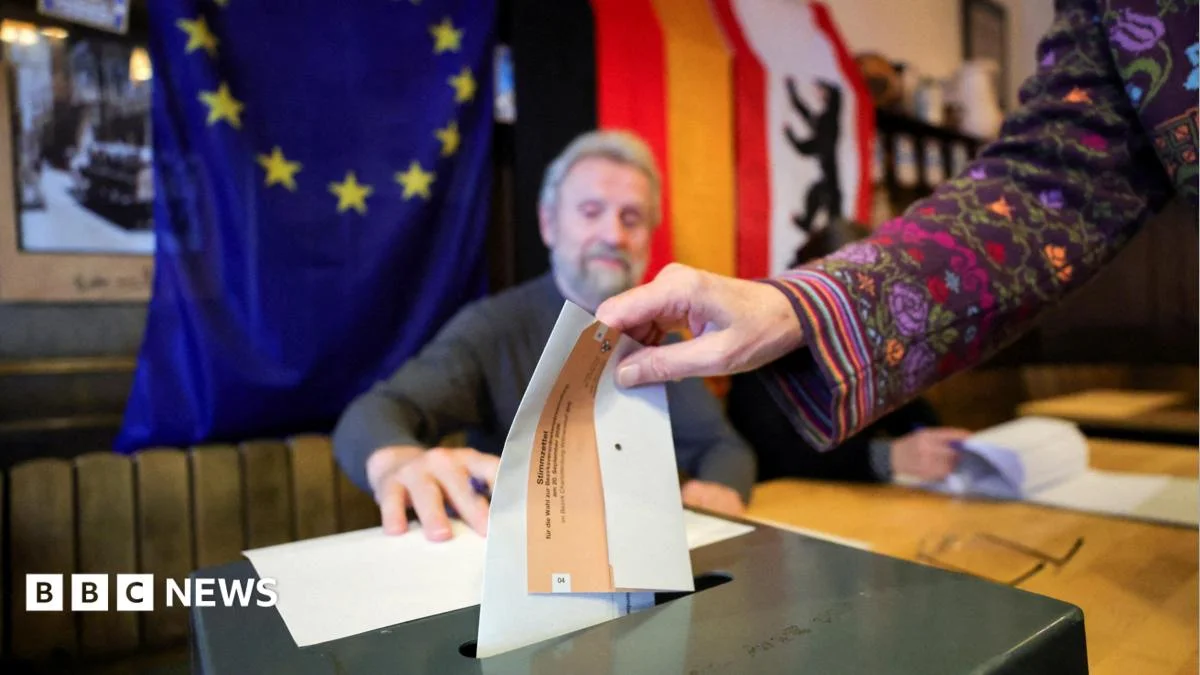
After just 16 months in government, Merz’s CDU has recorded three weak performances in recent regional elections. In Mecklenburg-Vorpommern, preliminary results showed that the party failed to clear the 5% threshold needed to enter the state parliament.
AfD gains ground across Germany
The AfD, which Merz had pledged to weaken while seeking the CDU leadership, performed strongly in the same elections. It became the largest political force in two of the three states and has a chance of entering government in Saxony-Anhalt.
The party is also leading national opinion polls, a particularly sensitive development in Germany given the country’s Nazi past. AfD co-leader Alice Weidel said the party had effectively replaced the CDU as Germany’s main catch-all political force.
The AfD accuses Merz of failing to deliver on promises to revive Germany’s struggling economy and address concerns over immigration and public security. Its rise has coincided with gains by the left-wing Die Linke party, which won in Berlin.
Pressure grows on the chancellor
Rumours of a possible challenge to Merz have circulated for weeks, with speculation that a more popular CDU politician could replace him. However, potential successors are unlikely to act openly without confidence that they have sufficient backing within the party.
Even if Merz remains chancellor, the election defeats are expected to weaken his authority and limit his room for manoeuvre within Germany’s divided coalition government. In a televised address before the regional results were finalised, he promised to continue with tax, welfare and economic reforms, calling for “backbone, steadfastness and patience”.
German voters’ patience, however, appears to be wearing thin. Traditional centre-left and centre-right parties have dominated politics since the Second World War, but many voters now feel they have failed to protect household incomes and economic security.
Economic difficulties create wider risks
Public frustration intensified after the 2007-08 financial crisis, when governments were seen supporting major banks while families faced falling savings and living standards. The 2015 migration crisis, when Germany accepted around one million refugees and migrants, also deepened concerns over integration and security.
Russia’s full-scale invasion of Ukraine in 2022 has added to the pressure. Germany faces some of Europe’s highest energy costs after losing access to cheap Russian energy, while US trade tariffs and competition from China have placed further strain on its export-focused economy.
Germany is Europe’s largest economy and the eurozone’s biggest. It is also the largest single donor to Ukraine and the biggest net contributor to the EU budget. Political instability and financial pressure in Berlin could therefore have significant consequences across the bloc.
Merz has supported efforts by several wealthier EU countries to reduce their contributions to the bloc’s budget, even as the EU seeks greater spending on defence, migration, artificial intelligence and technology.
Brussels is closely watching the rise of the AfD and Die Linke as Europe faces threats linked to Russia and China, conflicts in the Middle East and uncertainty over US policy under President Donald Trump. With major EU countries including France, Italy, Spain and Poland approaching elections, nationalist, Eurosceptic and anti-immigration parties are expected to perform strongly.