 OMM Redaksiyası

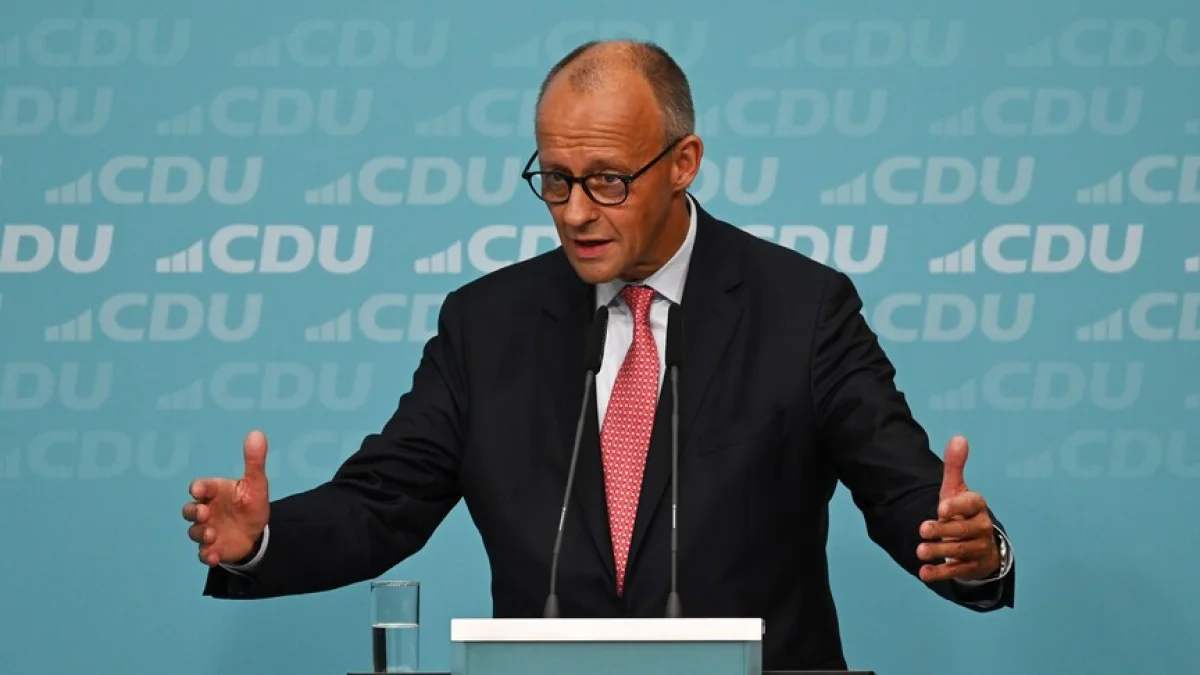
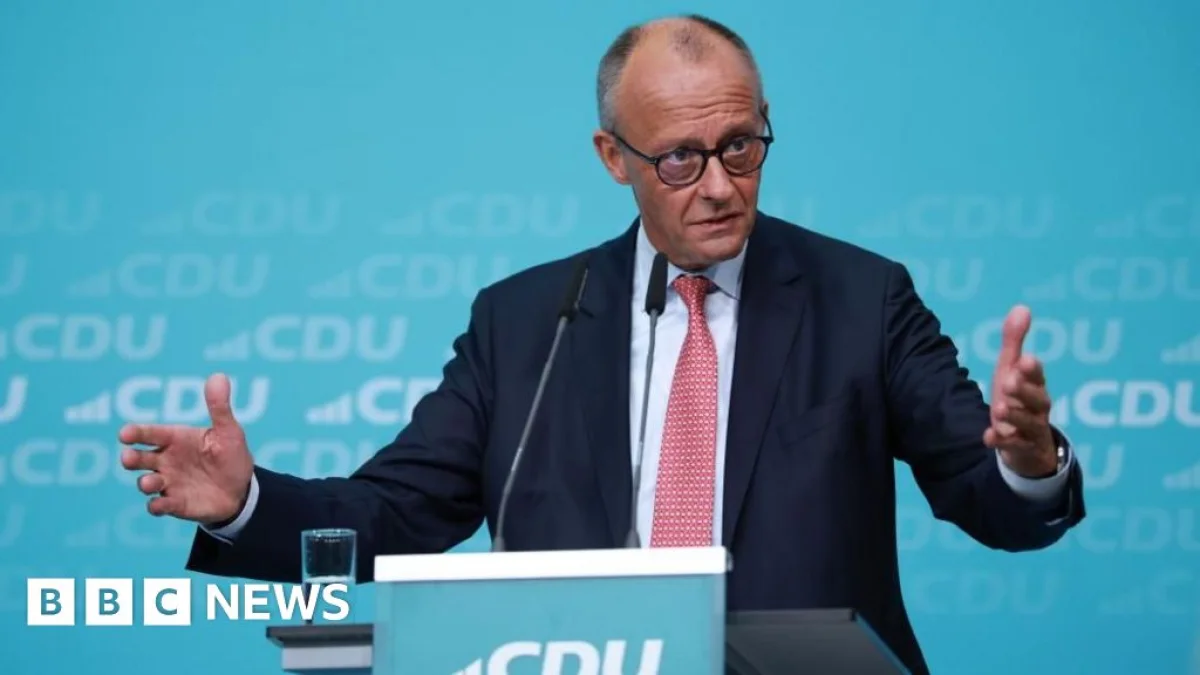
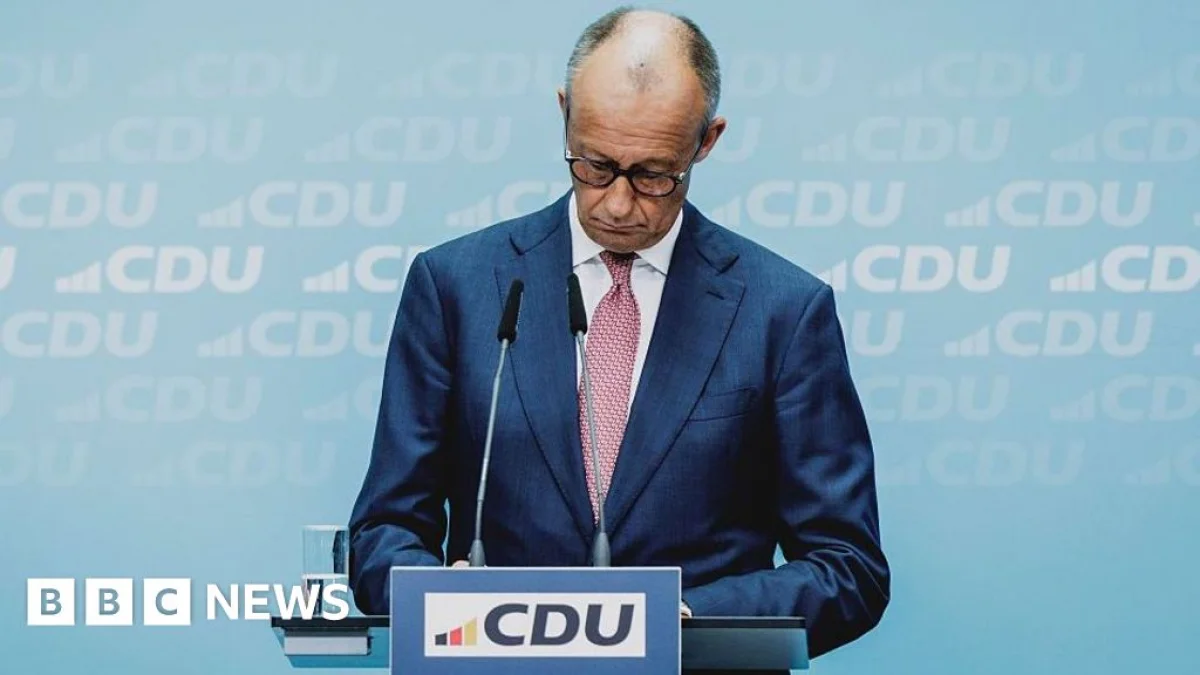
Local elections are under way in two German states, with the results potentially increasing pressure on Chancellor Friedrich Merz and his Christian Democratic Union (CDU).
Opinion polls indicate that the CDU could suffer significant defeats in Berlin and Mecklenburg-Vorpommern, raising fresh questions about Merz’s political future, according to the BBC.
The votes come two weeks after the far-right Alternative for Germany (AfD) secured a major victory in Saxony-Anhalt, while the CDU’s share of the vote was cut in half. Speculation has since grown that Merz could be replaced as chancellor before the end of his term if the party’s fortunes do not improve.
CDU faces difficult contests
In Berlin, Merz’s conservatives are competing with Die Linke for first place and could lose control of the state government, according to polling. In Mecklenburg-Vorpommern, the CDU is only narrowly above the 5% threshold required to enter the state parliament, raising the prospect of its worst-ever result in a state election.
The AfD is seeking to build on its recent landslide in Saxony-Anhalt and finish first in Mecklenburg-Vorpommern. However, the centre-left Social Democratic Party (SPD) has mounted a late challenge through state premier Manuela Schwesig.
Schwesig is campaigning for voters opposed to the AfD by presenting herself as “Die Frau gegen Blau” — “Woman against Blue”, a reference to the AfD’s colours. Her popularity at state level contrasts with the weaker position of the SPD nationally, where it is part of a coalition government with Merz’s CDU.
Merz’s popularity declines
Merz has faced criticism over his approval ratings, communication style and positions on issues including immigration and working conditions. His decision to move the CDU to the right has failed to weaken support for the AfD and has also alienated some voters on the left.
Germany’s sluggish economy, high energy costs and continuing disputes over immigration have contributed to a sense of national pessimism. Critics say Merz appears out of touch with ordinary people, while supporters argue that he is prepared to implement difficult reforms needed by the country.
Eight German state premiers backed Merz earlier this week, saying that restoring confidence in the CDU required “listening and taking political action”, rather than focusing on personnel debates.
Chancellor vows to remain in office
No CDU figure has openly challenged Merz, but internal dissatisfaction has reportedly intensified. Merz has said he will remain in office as his coalition prepares economic, tax and welfare reforms expected to reach parliament this autumn.
He is reportedly due to meet senior party officials in Berlin on Sunday evening and has cancelled a planned trip to New York next week, apparently to address the growing political crisis.
Merz’s possible fall would create further uncertainty in Europe. The chancellor has been a strong supporter of Ukraine at a time when the continent is facing warnings of increased Russian aggression.