 OMM Redaksiyası

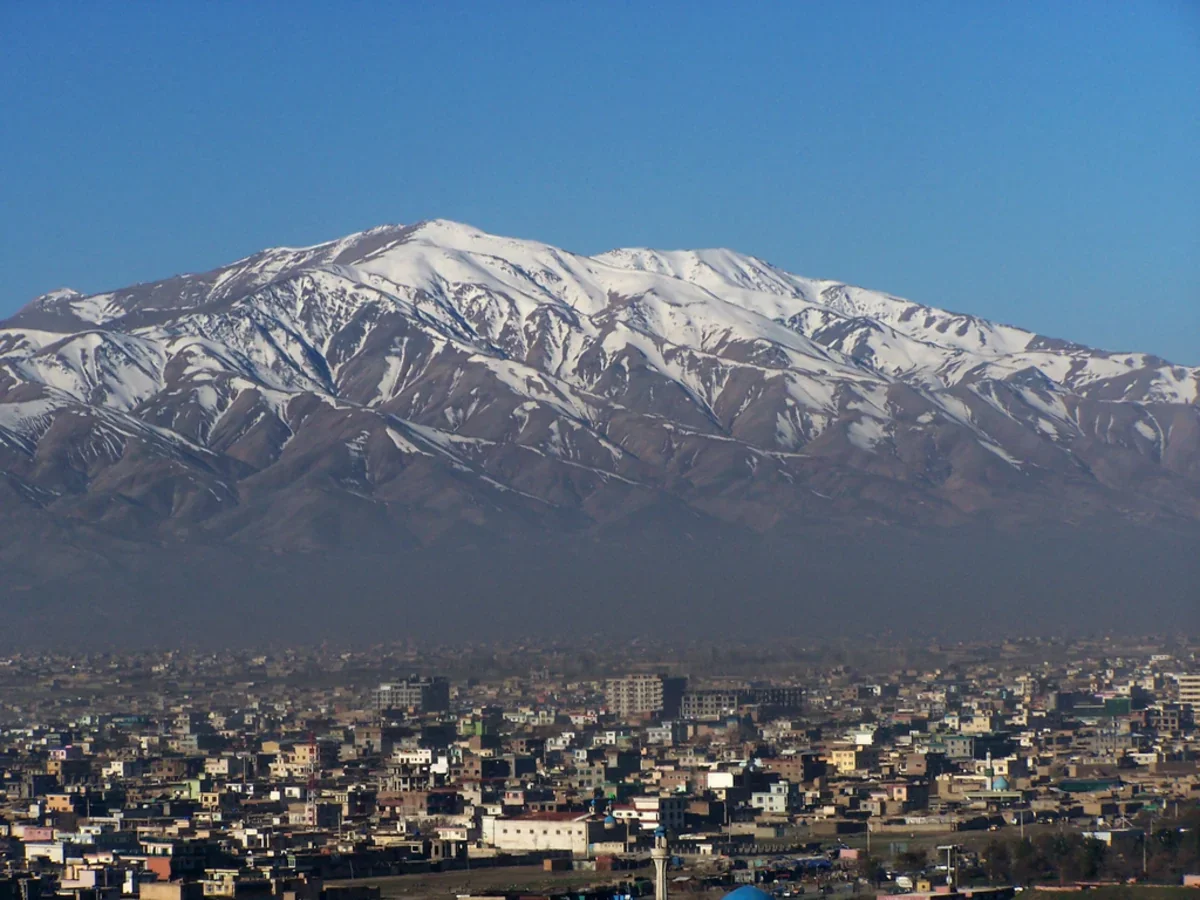
Kabul could become the first modern city in the world to run out of water by 2029, the International Rescue Committee’s (IRC) executive director for the United Kingdom, Flora Alexander, warned after a week-long visit to Afghanistan.
She said the country’s water crisis was deepening alongside problems affecting millions of people’s food security, access to healthcare and access to clean water. Despite other humanitarian crises in different regions, Alexander urged the international community to continue supporting Afghanistan.
“Kabul is projected to become the first modern city in the world to run out of water by 2029. I hope people understand that turning their backs on the people of Afghanistan is not the right step for the international community,” Alexander said.
The warning comes amid previous concerns over the rapid decline in Kabul’s groundwater levels. According to a 2025 report by Mercy Corps, about half of Kabul’s water wells have dried up, while groundwater levels have fallen by as much as 30 meters over the past decade.
The organization said the city’s underground aquifers could completely dry up by 2030 unless urgent action is taken. UN-Habitat has also forecast that urbanization in Afghanistan will accelerate, with one in every two Afghans potentially living in cities by 2060. This could place additional pressure on urban infrastructure.
A spokesperson for the Afghan government did not respond to an inquiry from AnewZ before publication. Officials have previously said that the Ministry of Energy and Water, the Ministry of Agriculture and Development, and other agencies were working to manage the country’s water resources.
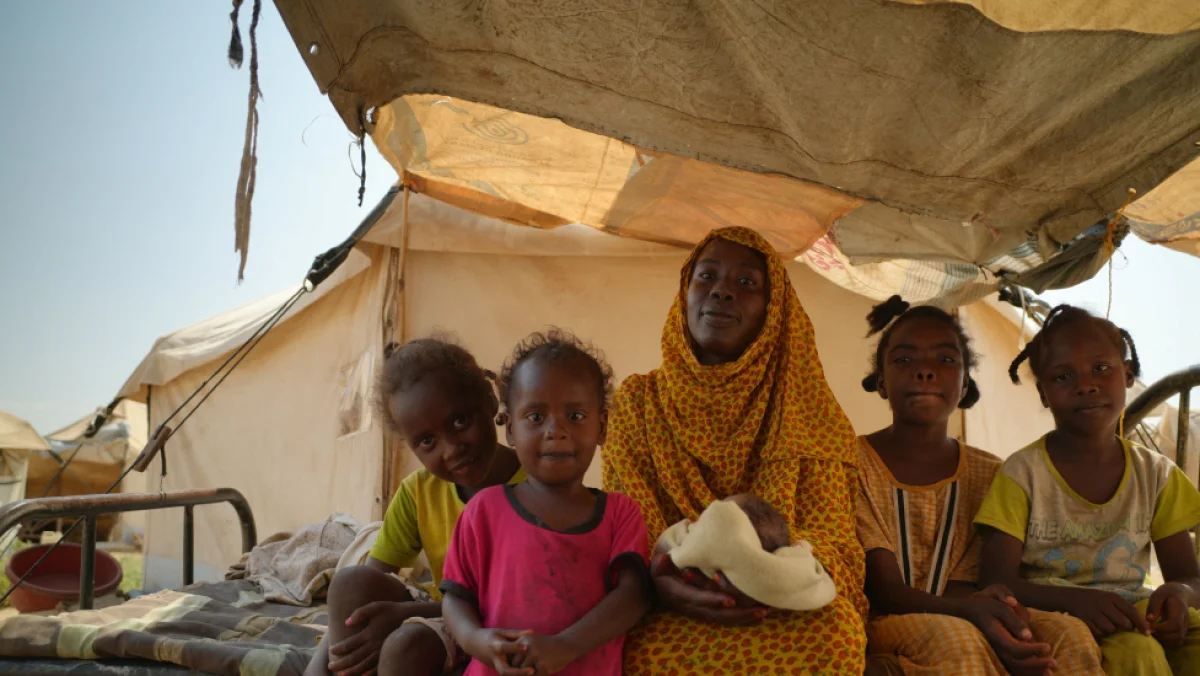
Flora Alexander stressed that water shortages were part of a broader humanitarian crisis. The crisis has been compounded by the return of Afghans from neighboring Pakistan and Iran, as well as declining humanitarian funding.
According to United Nations estimates, 21.9 million people—around 45 percent of Afghanistan’s population—will need humanitarian assistance in 2026. Alexander also expressed concern over restrictions on women working and girls’ access to education.
Afghanistan has faced prolonged drought, rapid population growth and weak infrastructure, all of which have increased pressure on its limited water resources. Kabul’s dependence on groundwater makes the city particularly vulnerable to falling water tables and reduced rainfall.