 OMM Redaksiyası

The war between Iran and the United States has created a broad security challenge for Saudi Arabia, stretching from Yemen’s Red Sea coast to Iraq. The Houthis’ increased activity is adding to the pressure on the kingdom.
The risks are not limited to cross-border missile attacks. Strikes on oil infrastructure and pressure on key maritime routes threaten global energy flows. The activities of Iran-linked armed groups are also testing Saudi Arabia’s defense capabilities on multiple fronts.
Houthis advance toward Bab el-Mandeb
According to Yemeni government sources cited by “Reuters,” the Houthis have expanded their positions along the Red Sea coast, advancing as far as Perim Island in the Bab el-Mandeb Strait and capturing the coastal town of Dubab.
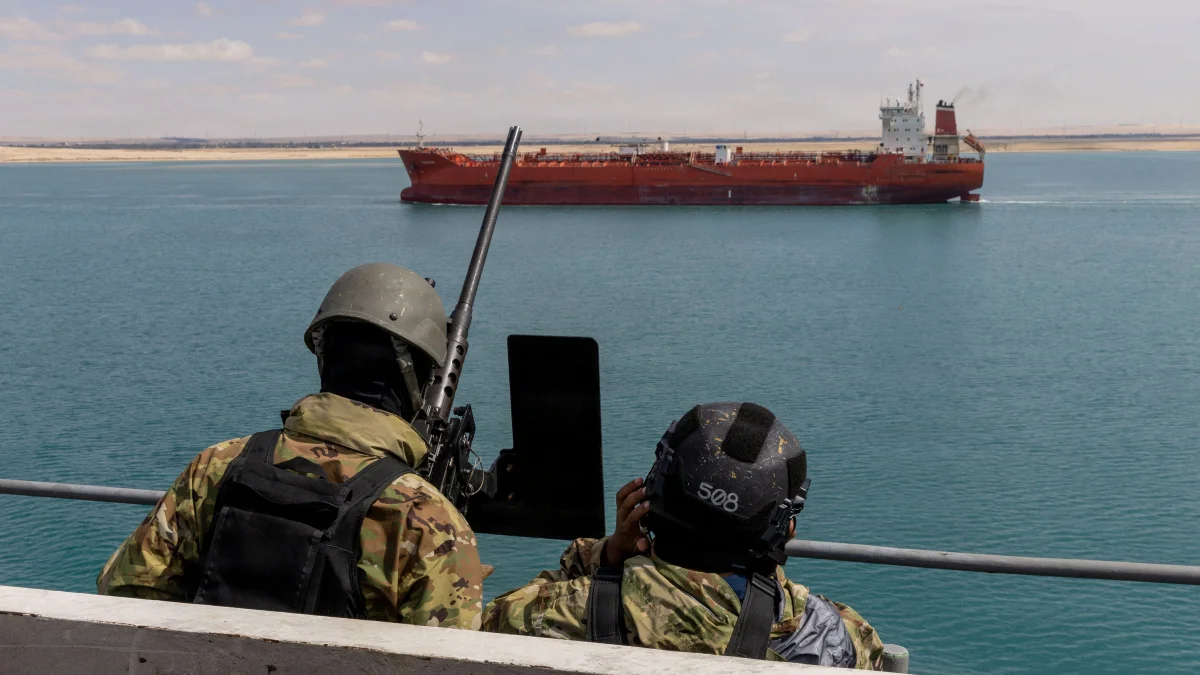
Bab el-Mandeb connects the Red Sea with the Gulf of Aden. The strait forms part of a major maritime route linking the Indian Ocean, the Suez Canal and European markets. Prolonged disruption there could alter shipping routes between Asia, the Middle East and Europe.
The Houthis have also increased attacks against Saudi Arabia. The Saudi-led coalition said on Sept. 24 that it had intercepted six ballistic missiles aimed at Taif and the strategically important port of Yanbu. The group has also been linked to attempted attacks on Riyadh and threats against Saudi energy infrastructure.
Attack on oil route from Iraqi territory
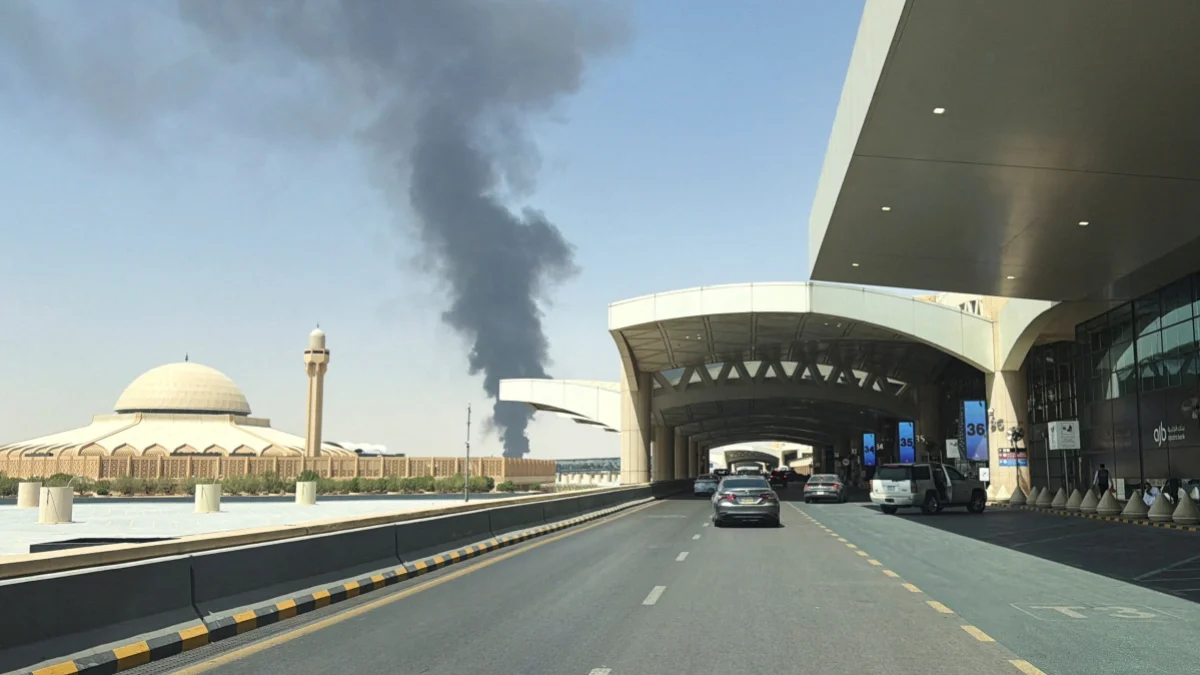
Saudi Arabia temporarily halted operations on the East-West oil pipeline after a drone attack on Sept. 11. Iraqi authorities acknowledged that the attack had been carried out from Iraqi territory.
The 1,200-kilometer pipeline transports Saudi oil from the Gulf to the Red Sea and serves as an alternative export route when shipments through the Strait of Hormuz face disruption.
The incident demonstrated the geography of Saudi Arabia’s security challenge: Houthi pressure is increasing in the south of the country and along the Red Sea coast, while an attack from Iraq struck a key oil corridor in another direction.
There is no evidence confirming that the attacks were centrally coordinated. Nevertheless, for Riyadh, the threat is increasingly no longer confined to the Yemeni border and is taking on a regional character.
The Strait of Hormuz and the Iraq factor
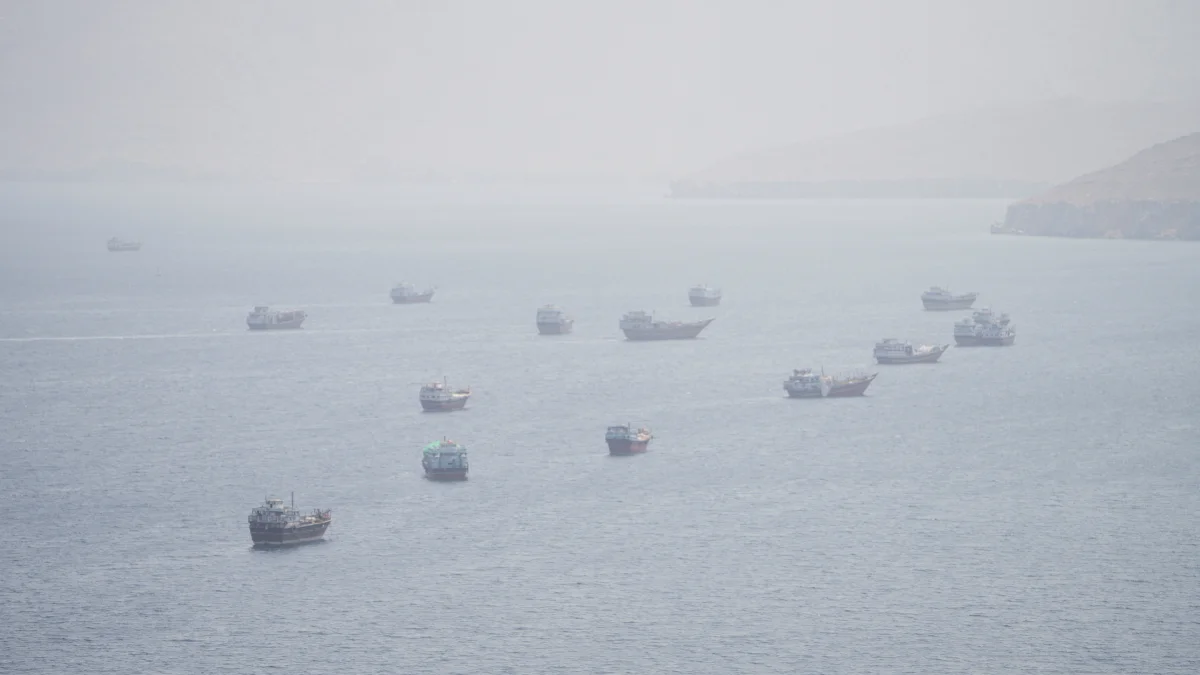
The Strait of Hormuz is another key pressure point in the regional energy crisis. Before the war, roughly 20% of global daily crude oil and liquefied natural gas supplies passed through the strait.
According to “Kpler,” crude oil exports from the Middle East reached approximately 16.3 million barrels per day in September. That was 3.2 million barrels below the pre-war level of 19.5 million barrels per day recorded in February.
Saudi Arabia has had to change its export routes and shipping plans to maintain oil exports. When problems arise in the Strait of Hormuz, the need for alternative routes increases, while an attack on the East-West pipeline reduces the capacity of one such alternative. The emergence of a threat in Bab el-Mandeb also makes the Red Sea route vulnerable.
On Sept. 30, US forces completed their withdrawal from Iraq. This ended the military presence that began after the 2003 invasion.
Iraqi security experts said the departure of US forces could give Iran-linked armed groups greater room to operate and raise questions about intelligence and surveillance capabilities previously provided by the United States.
This situation does not indicate that Iraq has joined the war or that Baghdad supports attacks on Saudi Arabia. However, preventing the use of Iraqi territory for attacks against neighboring countries, energy infrastructure and transport corridors could become more difficult.
As a result, Saudi Arabia’s security challenge is no longer limited to a single front. Houthi pressure around Bab el-Mandeb, attacks from Iraqi territory on oil infrastructure and risks in the Strait of Hormuz are threatening different links in the same energy supply chain.