 OMM Redaksiyası

Iran has said the Strait of Hormuz will remain closed until seven conditions agreed in a memorandum signed in June are met. The announcement comes as U.S. President Donald Trump says he may soon decide on possible next steps toward Tehran.
Iranian parliament speaker Mohammad Baqer Qalibaf said on Sunday that Tehran would not reopen the strategic waterway until Washington fulfilled the conditions. State media quoted him as saying: “The position of the Islamic Republic of Iran is completely clear and firm. The Strait of Hormuz will not be opened until our seven conditions set out under the Islamabad Memorandum of Understanding are met.”
Qalibaf added that Washington “must understand that the era of prolonging the diplomatic process and making unilateral demands is over.”
Strait of Hormuz at the center of talks
Iran submitted a proposal to the United Nations General Assembly last month. Under the proposal, normal maritime traffic through the Strait of Hormuz could resume within seven days if the agreed conditions are met. The United States responded to the proposal last week through Qatari mediators.
Iranian Foreign Ministry spokesperson Esmaeil Baghaei said Tehran had conveyed its overall position on the U.S. response through mediators, but that there were additional points to communicate to Washington. He said the U.S. proposals, particularly on the nuclear issue, were more or less consistent with its previous positions. Baghaei stressed that Iran’s focus at this stage was on the Strait of Hormuz and that concrete U.S. steps were needed to restore security on the waterway.
Baghaei denied that Iran had agreed to inspections by the International Atomic Energy Agency, the U.N. nuclear watchdog, in exchange for sanctions relief. He said Tehran had not begun nuclear talks with Washington.
A document circulated among officials reportedly outlines a seven-day confidence-building process aimed at restoring a broader version of the June memorandum. The steps include measures related to Iran’s nuclear program. According to an official familiar with the discussions, the main disagreement concerns the order in which the measures would be implemented, rather than the plan’s overall substance.
Trump may decide on military operations
Trump told reporters on Saturday that he would make a decision on Iran before leaving the White House for a campaign trip to Ohio. “Iran has been decimated. The only question is whether it will be the easy way or the hard way,” he said. Trump also claimed Iran had almost abandoned its plans to acquire nuclear weapons.
Axios reported on Friday that Trump’s senior national security advisers held a private meeting at Camp David to discuss possible U.S. moves regarding Iran and the Saudi-Houthi conflict in Yemen.
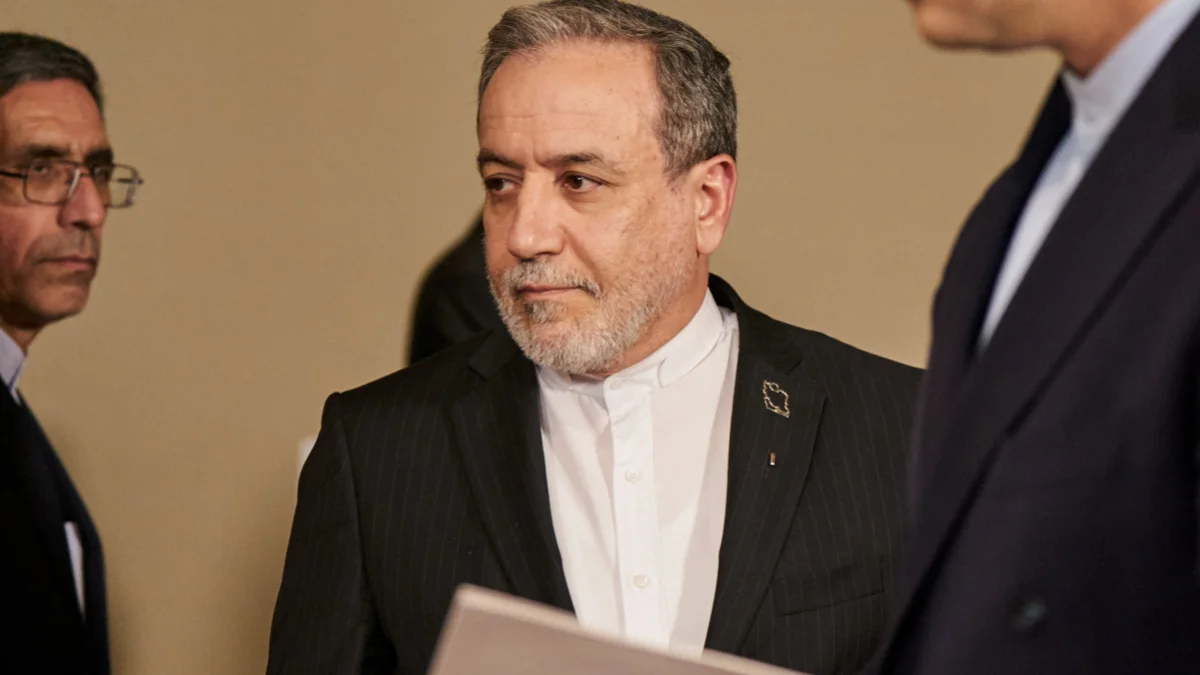
Iranian Foreign Minister Abbas Araghchi told foreign ambassadors and diplomats in Tehran on Sunday that Iran hoped Washington would choose diplomacy. He also said Iran was prepared if the United States resumed military operations: “If they resort to a military solution again, we are more prepared than before and will take all necessary steps to defend ourselves.”
Reuters previously reported that Iranian officials were drawing up plans for a broader and tougher response if the United States resumed large-scale attacks. Citing three senior Iranian officials and another person familiar with the discussions, the report said senior Iranian commanders were considering widening the range of potential targets beyond U.S.-linked sites to include countries supporting U.S. military operations and possibly locations outside the Middle East.
Iranian army spokesperson Mohammad Akraminia also told the Fars news agency on Sunday that his country planned to increase the range of its missiles.
Strait of Hormuz at the center of regional tensions
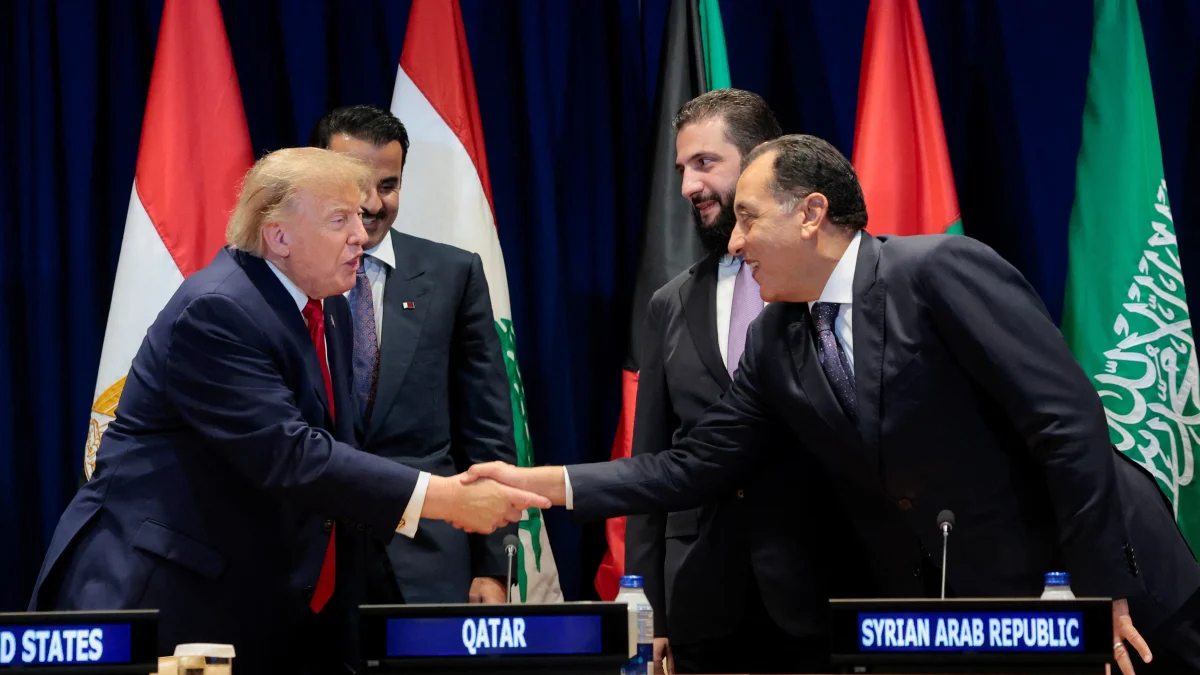
Qatar is relaying messages between Washington and Tehran as part of efforts to ease tensions and reopen the Strait of Hormuz. Before the conflict, about one-fifth of the world’s oil and liquefied natural gas passed through the waterway.
The current conflict began with U.S. and Israeli attacks on Iran on Feb. 28. A ceasefire announced on April 8 ended the initial 40-day phase of the war, although sporadic clashes continued. The June memorandum later established a new framework for easing tensions, including measures concerning the Strait of Hormuz and Iran’s nuclear program.
Tehran is now making the waterway’s reopening conditional on the United States meeting the seven agreed conditions. Trump is weighing whether to continue diplomacy or return to military operations.