School uniform rules are being discussed again in Azerbaijan. The topic has also drawn attention from some Turkish media outlets and on social media. In response to criticism of Azerbaijan’s school uniform rules, requirements in Turkey’s own education legislation have also come under scrutiny.
"Operativ Məlumat Mərkəzi-OMM" reports that student clothing in general education schools in Azerbaijan is governed by relevant legislation and Cabinet of Ministers decisions. The aim is to maintain a uniform standard in schools, set common rules for students and ensure discipline in the educational environment.
In recent days, some Turkish media outlets and public platforms have criticized Azerbaijan’s school uniform rules, particularly its approach to religious clothing. Reports say that some of the discussions have included harsh and insulting language.
Those responding to the debate have pointed to Turkey’s own school uniform rules, stressing the need to compare the approaches applied in the two countries.
What are the rules on headscarves in Turkish schools?
One of the main documents governing school clothing in Turkey is the “Millî Eğitim Bakanlığına Bağlı Okul Öğrencilerinin Kılık ve Kıyafetlerine Dair Yönetmelik,” approved under decision No. 2012/3959, dated November 26, 2012.
Amendments made to the rules in 2014 removed the restriction on middle- and high-school students wearing headscarves.
However, clause “e” of Article 4 requires students in pre-schools and primary schools to be bareheaded inside the school.
These provisions have prompted debate over applying different clothing requirements to different age groups. Critics say rules on children’s clothing should take into account their age, rights and psychological development.
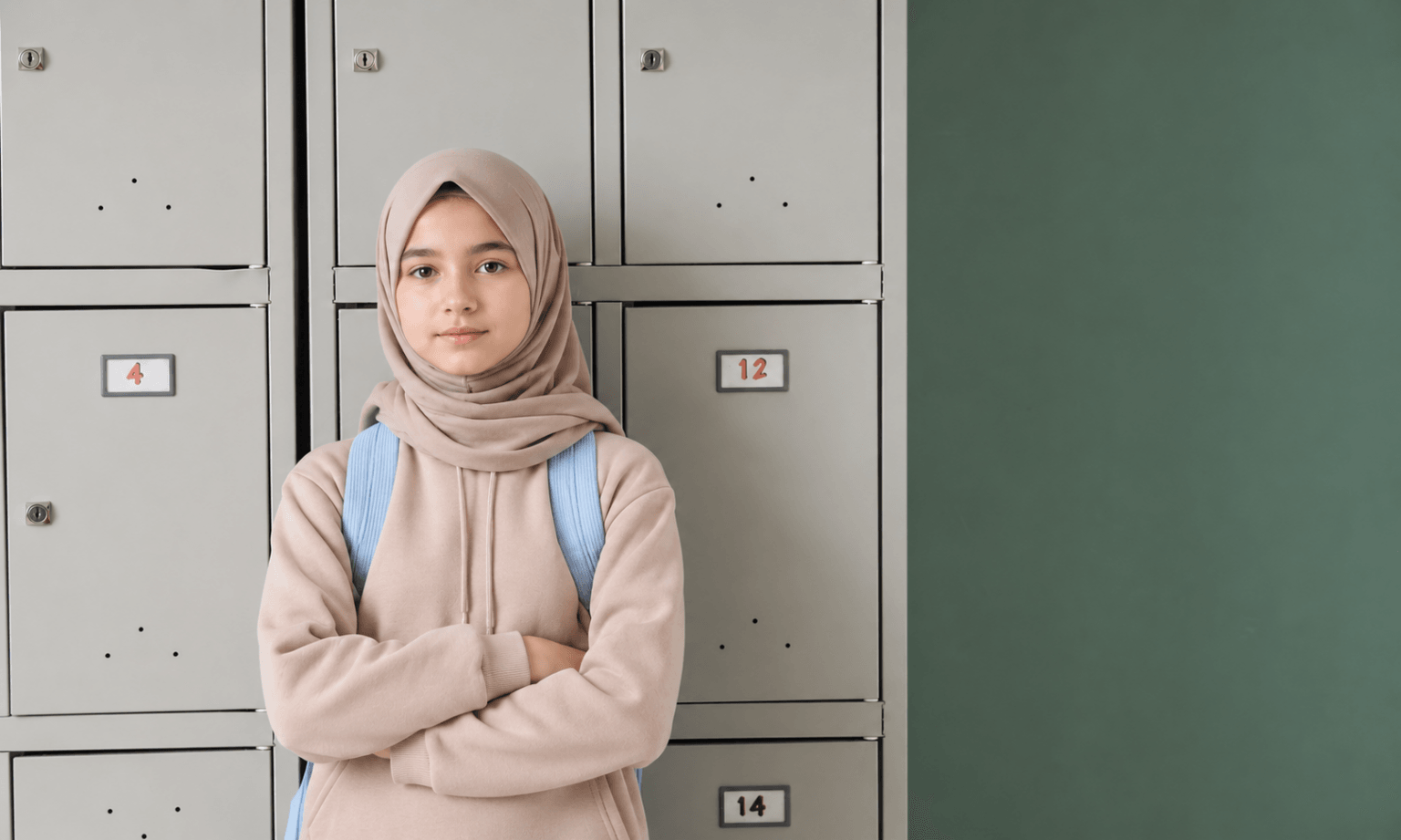
Why are approaches in Azerbaijan and Turkey being compared?
A key aspect of the debate is the principle of secularism in education. In Azerbaijan, uniform rules are presented as part of the organization of the general education environment.
In Turkey, school clothing rules have changed over time. These changes have sparked public debate about religious attire, secularism and the standards applied in educational institutions.
It has been stressed that some Turkish media outlets and public platforms criticizing Azerbaijan’s school uniform policy should also pay attention to discussions about the rules in their own country.
Ultimately, school clothing is about more than appearance. The issue is also connected to the organization of education, children’s rights, the principle of secularism and the application of common rules in schools. (Qafqazinfo)