 OMM Redaksiyası

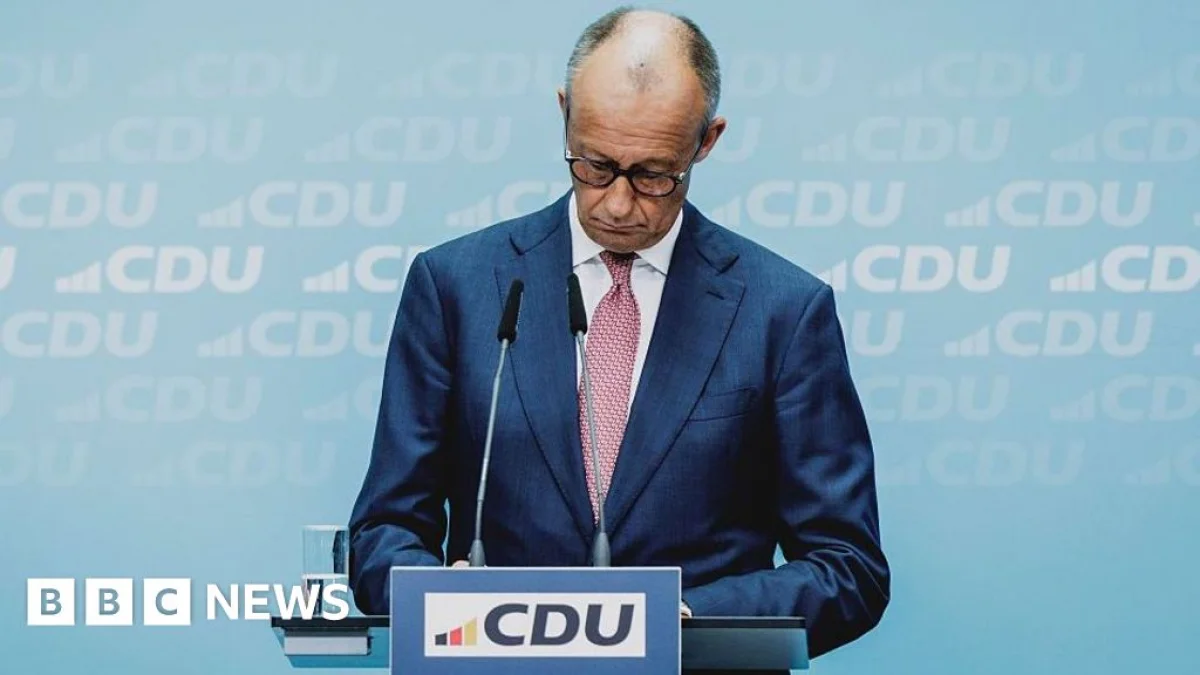
A series of regional election defeats has thrown Germany’s coalition government off balance, raising fresh questions about Chancellor Friedrich Merz’s political future and highlighting deeper uncertainty over the country’s direction, according to the BBC.
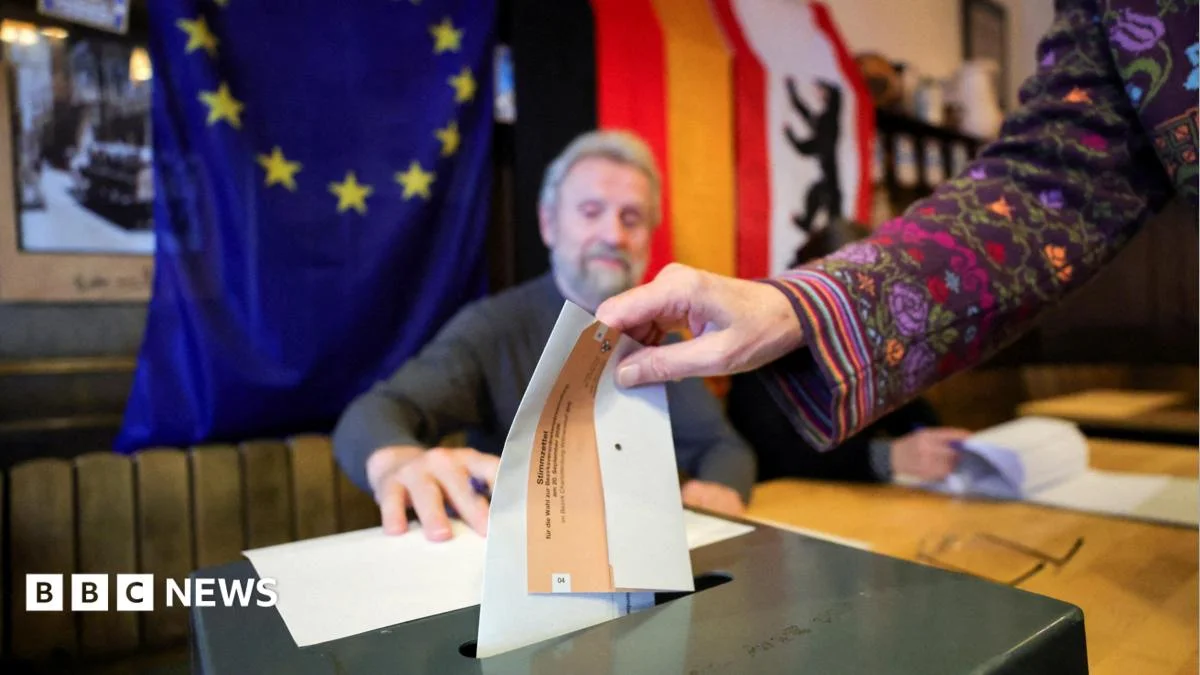
Merz’s centre-right party was beaten into second place in Berlin, suffered heavy losses in Saxony-Anhalt and failed to enter the parliament of Mecklenburg-Western Pomerania. The results have intensified speculation about a possible “chancellor swap” within the CDU, although no senior party figure has openly challenged him.
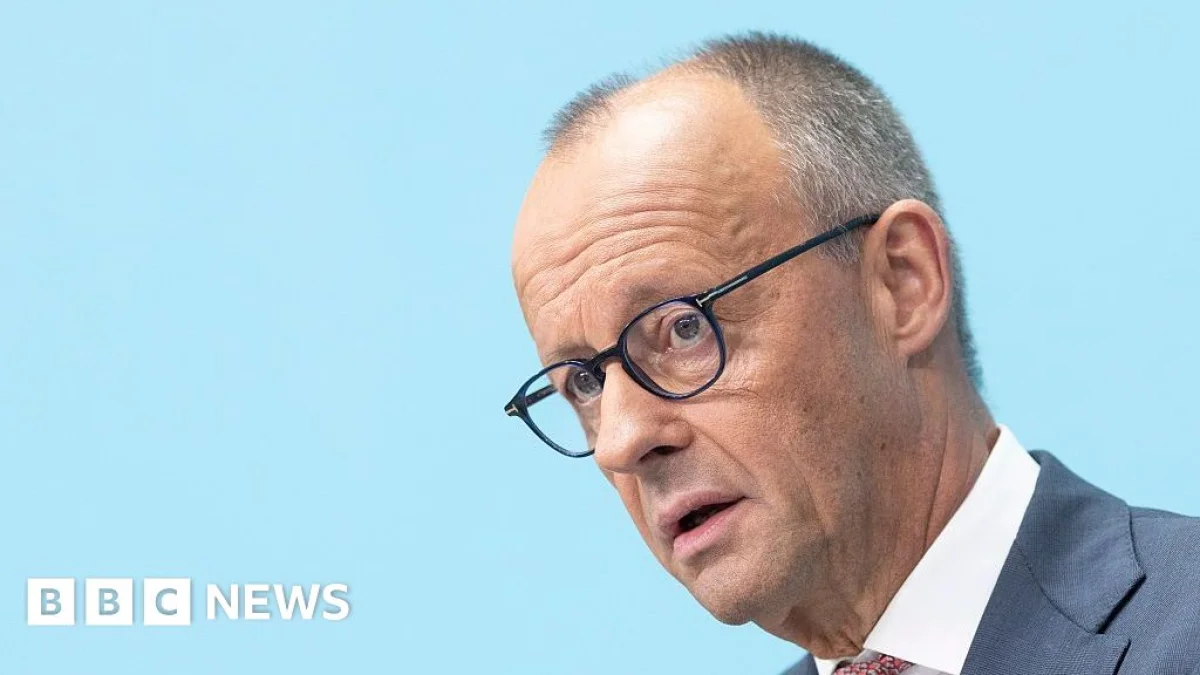
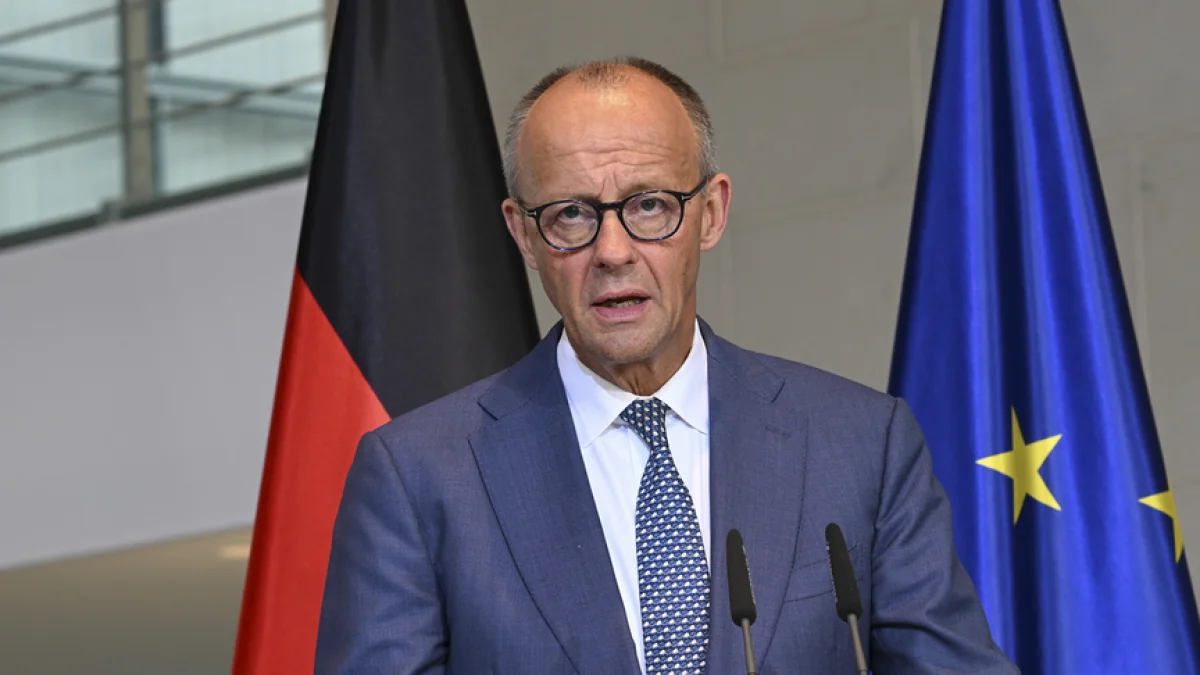
Merz, who became chancellor in 2025, is facing record-low approval ratings. Critics describe him as arrogant and out of touch, while allies say the government must press ahead with economic reforms and improve its communication with voters.
Economic pressures weigh on the government
The chancellor came to power promising tougher immigration policies and a revival of Germany’s struggling economy. His supporters point to improved growth forecasts, with leading economic institutes expecting expansion of more than 1% in both 2026 and 2027. Illegal entries into Germany and Europe have also fallen year on year.
However, high energy costs continue to affect households and businesses. Concerns are also growing that China is undermining German industry, including the country’s important car sector. The pressures mark a sharp break with the economic model built around inexpensive Russian gas and export-driven growth.
Immigration remains another major source of public concern. Debate has increasingly focused not only on new arrivals, but also on public safety, welfare costs and integration.
AfD gains ground as mainstream parties lose support
Germany’s two main governing parties, the CDU and the centre-left SPD, appear to be losing the confidence of voters in several regions. The far-right Alternative for Germany, or AfD, has benefited from the shift and is polling at about 28% nationwide.
The party’s Russia-friendly position has alarmed security officials, while some of its regional branches have been classified as right-wing extremist by Germany’s domestic intelligence service. The AfD rejects such characterisations and celebrated its third-ever victory in a state election after winning in Mecklenburg-Western Pomerania.
AfD co-leader Alice Weidel said Merz’s time in office was coming to an end. The party has also strengthened its position in eastern Germany by combining nostalgia for the past with concerns about the present.
Yet the AfD did not win everywhere. In Berlin, the left-wing Die Linke emerged as the strongest party, delivering another setback to Germany’s traditional “big tent” parties. The result has also brought renewed scrutiny of Die Linke amid allegations of antisemitism, which the party leadership rejects, saying it is committed to protecting Jewish life.
The elections have exposed widening political divisions, weakening support for Germany’s mainstream parties and an increasingly polarised debate over the AfD. Few local elections in post-war Germany have generated comparable upheaval at home or attracted such international attention.