 OMM Redaksiyası

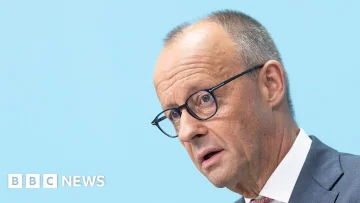
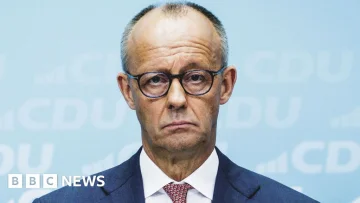
German Chancellor Friedrich Merz said on Wednesday he was deeply concerned after the right-wing Alternative for Germany (AfD) won its first state parliament speaker post, in Saxony-Anhalt.
Speaking at a business forum organised by the “Handelsblatt Media Group” in Berlin, Merz urged democratic politicians to continue rejecting cooperation with the anti-immigration party. He said it was not known who had voted for the AfD candidate because the ballot was secret.
“Anyone who casts their vote for the AfD is playing the extremists’ game,” Merz said, adding that such a vote undermined political credibility and was incompatible with the values of his Christian Democratic Union (CDU).
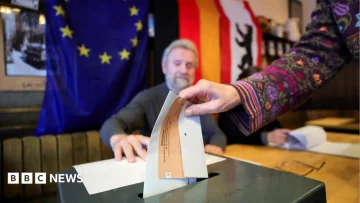
On Tuesday, lawmakers in Magdeburg elected AfD politician Tobias Rausch as speaker of the state parliament. He received 48 votes in the first-round secret ballot, nine more than the AfD’s 39 seats in the chamber.
German media and rival parties have speculated that some CDU lawmakers supported Rausch. The result has also been seen as a possible breach of the long-standing firewall against the AfD, which rules out coalitions, joint votes and other forms of cooperation.
Merz warned against drawing quick conclusions, saying lawmakers from parties other than the CDU might have backed the AfD candidate to put pressure on his party and create divisions. “False-flag operations don’t just happen in the military; they happen in politics, too,” he said.
Saxony-Anhalt’s domestic intelligence agency has classified the AfD in the state as a confirmed right-wing extremist group, citing suspected anti-democratic aims and activities. The party is contesting the classification.
Merz also described September’s regional election in Saxony-Anhalt as a bitter result and a historic turning point. The AfD won 43.8% of the vote, while the left-wing populist BSW received 5.3%; together, the parties secured an absolute majority in the state parliament, he said.
Although he called the parties extremist and said they had authoritarian tendencies, Merz stressed that election results must be accepted, including when they are unwelcome. He said the governing coalition would draw lessons from the setback, continue its reform programme and deliver concrete results to address public concerns.