 OMM Redaksiyası

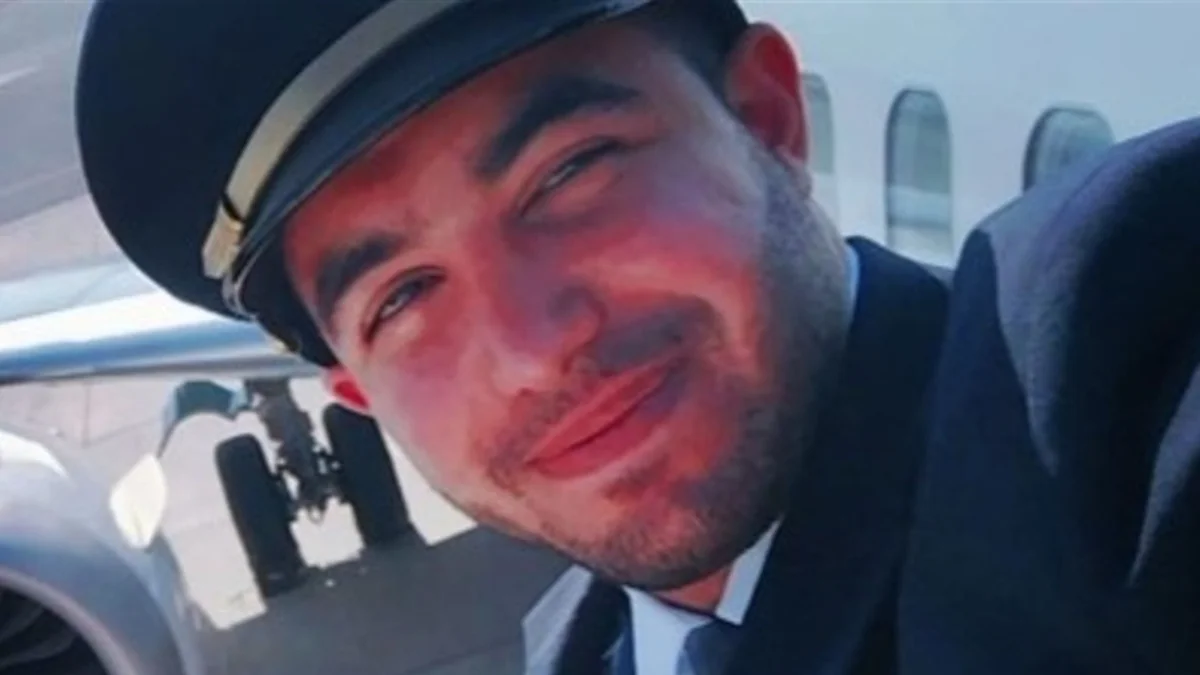
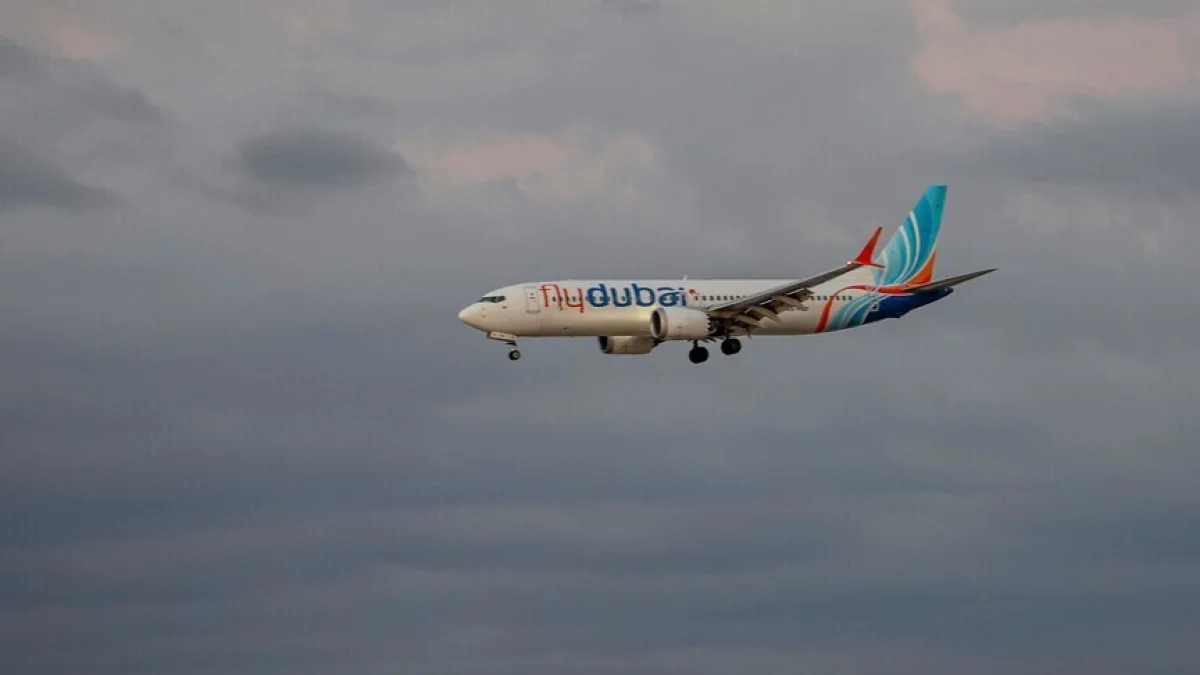
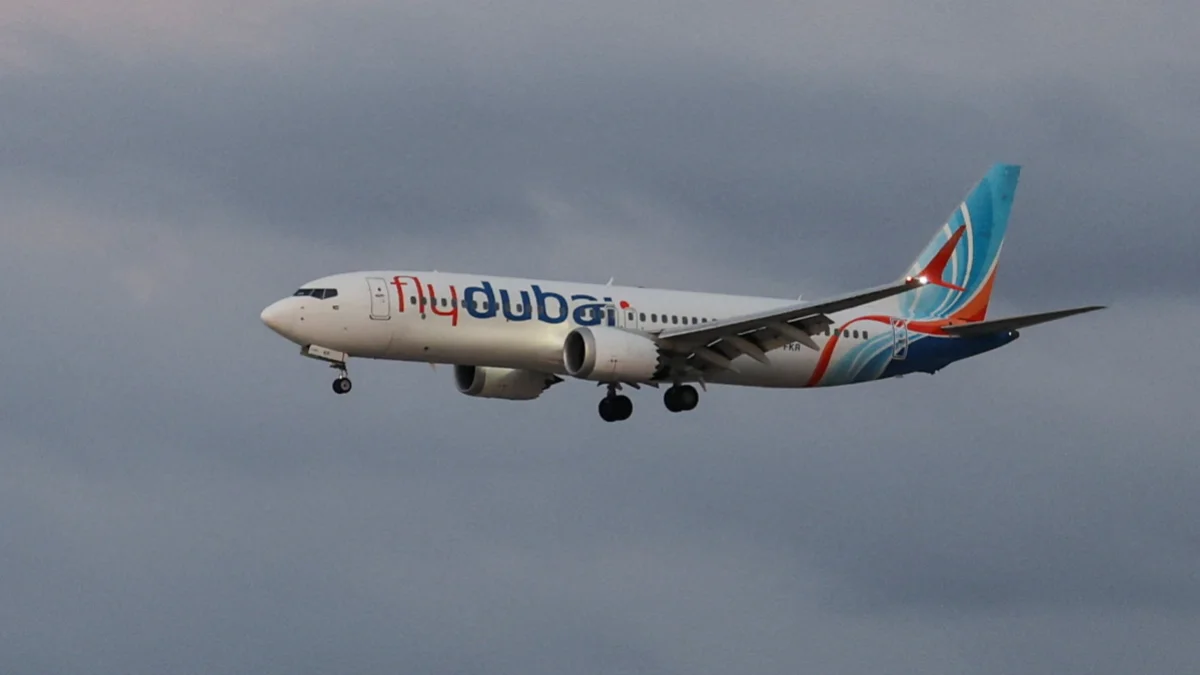
The captain’s actions prevented a suspected hijacking attempt aboard a “Flydubai” flight bound for Israel last week, but the incident has raised concerns about how a pilot accused of extremist views was able to fly. CNN reported that the suspected attacker, co-pilot Hamam al-Hammami, had been removed from Oman’s national airline the previous year over concerns about his views.
Aviation security measures introduced after the September 11 attacks largely focused on external threats and preventing passengers from gaining access to cockpits, CNN national security analyst Alex Plitsas said. They were not designed around the possibility of a pilot attacking another crew member, he added.
Different countries apply different vetting rules
There is no international standard for pilot background checks. Licensing and airport security passes are handled nationally, with requirements varying between countries, experts told CNN.
Flight crew need an airside pass to access restricted areas of airports and aircraft. These passes generally require police and background checks, but the process depends on each country’s regulations, aviation expert Alastair Rosenschein said.
Israel’s Transport Ministry said it relies on foreign airlines’ compliance with international regulations and on declarations that their pilots and crews have been vetted. The ministry also said its procedures do not include checking crew members’ names, although the names are submitted to Israel’s Tax Authority.
Omani pilots need a visa to enter Israel, the ministry said, adding that an Omani passport should have been flagged during check-in. However, it acknowledged that its procedures do not address the threat posed by a pilot.
Rosenschein said responsibility for vetting rests with governments, airlines and security services, and questioned why Oman had not suspended al-Hammami’s pilot’s licence. A licence demonstrates technical ability to fly, but does not contain a record of previous employment problems or disciplinary issues, British aviation expert Gideon Ewers said.
Experts call for stronger employment checks
Airline recruitment processes differ, but can include psychological assessments, flight simulator tests and references from previous employers or instructors. Pilots also undergo regular medical examinations, Rosenschein said.
Airlines often rely on colleagues to report changes in a pilot’s behaviour, he said. Rosenschein called for more information-sharing between airlines and countries, social media checks, random substance testing and regular psychological assessments, none of which is standard across the industry.
The International Civil Aviation Organization told CNN that aviation standards are under continuous review and are updated as new priorities and best practices emerge. Rosenschein said stricter industry regulation was needed, while noting that aviation is much safer now than when he began working as a pilot in the 1970s.
Investigators examine cockpit security
The UAE said the suspected attacker used the aircraft’s crash axe, rather than smuggling in a knife. The tool is carried on most passenger aircraft for emergencies, including breaking out of a damaged plane or accessing panels to reach a fire.
Rosenschein questioned whether an axe should be kept on the flight deck. Experts said cockpit doors are locked from inside and most aircraft have a control-panel switch that can open them. It is not clear whether that mechanism was used when the injured Indian pilot opened the door to let passengers help.
Some aircraft also have emergency codes for entering the cockpit if crew members are incapacitated. Experts said such systems would be unlikely to help in an intentional attack.
The UAE and Israel are investigating the incident, as is Saudi Arabia, where the plane made an emergency landing. Investigators are expected to examine the flight data and cockpit voice recorders and review the suspected attacker’s medical and training histories, Marco Chan, a senior lecturer in aviation operations at Kingston University in London, told CNN.
Israel’s Tax Authority said it had the names of all passengers and crew before take-off. The Transport Ministry said security matters involving foreign airlines fall under its responsibility, while Shin Bet referred questions to the ministry.
On Sunday evening, Israeli Prime Minister Benjamin Netanyahu instructed the head of the National Security Council to conduct a thorough examination of all aspects of security for foreign civil aviation arriving in Israel.