OMM Redaksiyası

Investigations into last week’s thwarted cockpit attack aboard a “FlyDubai” flight have widened across the Middle East and New Zealand, as authorities examine how the Omani co-pilot was cleared to fly to Israel despite earlier concerns about his views. The Associated Press reported that the case is being treated as a planned terrorist attack.
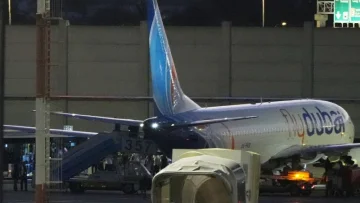
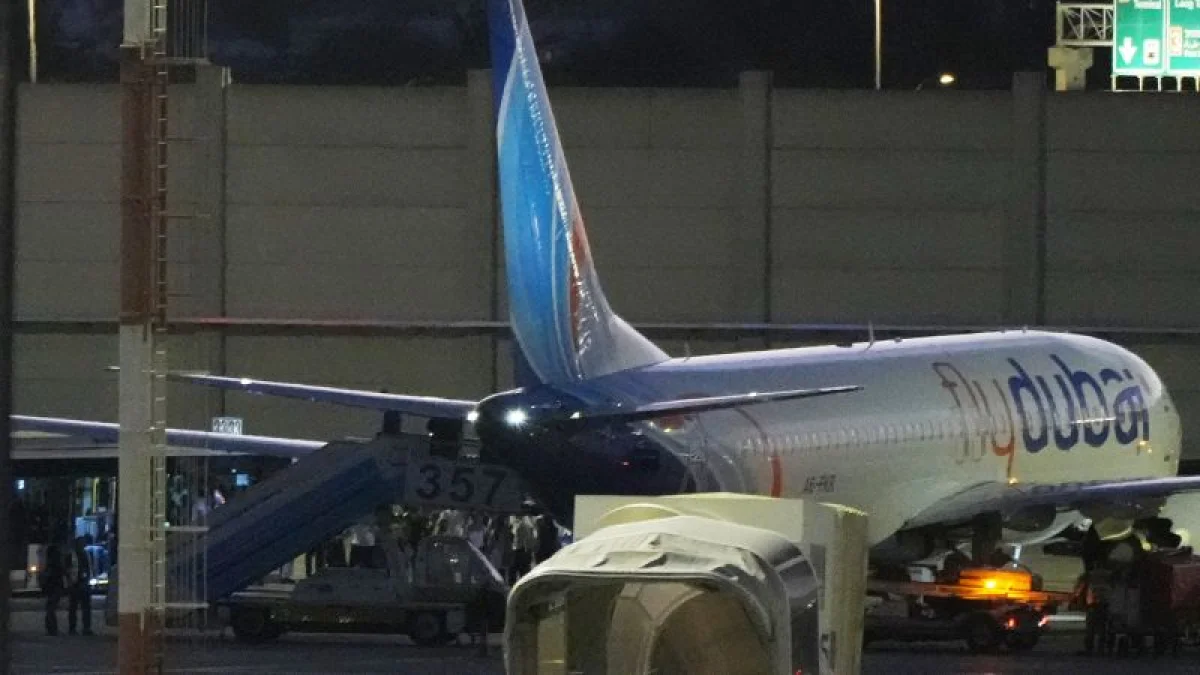
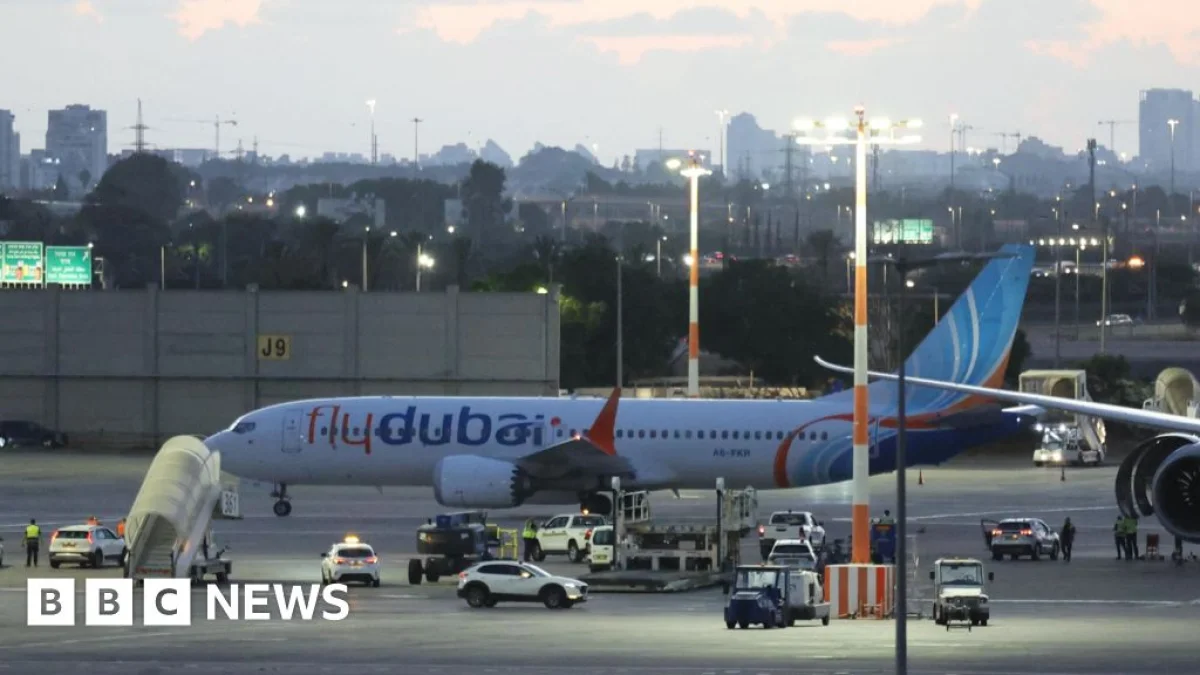
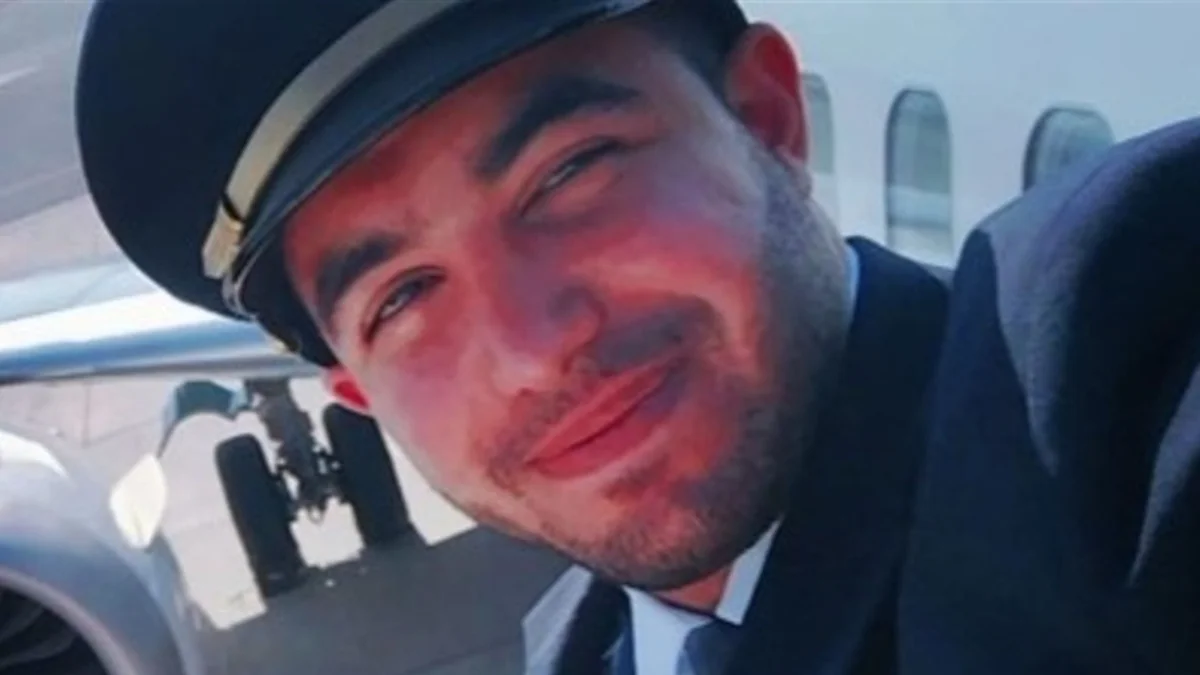
The suspect, Hamam al-Hammami, allegedly attacked the captain with an axe in midair. The wounded captain opened the cockpit door, allowing passengers to enter and subdue the attacker. The aircraft then made an emergency landing in Saudi Arabia.
Al-Hammami was detained and transferred to the United Arab Emirates, where he remains in custody. Investigators from the UAE, Israel and Saudi Arabia are also examining apparent screening failures.
It remains unclear how an Omani citizen was permitted to work on a flight carrying Israelis to Tel Aviv. Oman has no diplomatic relations with Israel. Israeli law requires airlines to provide passenger and crew information, including names and nationalities, up to 48 hours before a flight.
UAE officials shared the passenger and crew list with Israel before the flight, officials told AP on condition of anonymity. They said Israel did not flag anyone on the list. Prime Minister Benjamin Netanyahu said a day after the attack that Israel has long-standing agreements with foreign airlines to prevent pilots from countries without diplomatic ties from flying into the country.
Omani authorities had reportedly barred al-Hammami from flying over concerns that he had adopted extremist views. Israel’s Shin Bet security agency said the Transportation Ministry is responsible for vetting passenger lists from foreign flights. Transportation Minister Miri Regev said on X that security agencies handle flight security and that her ministry received neither a passenger list nor warnings.
Officials have provided few details about al-Hammami’s motives or how he came to hold radical views. A regional official told AP that the initial UAE-led investigation found he had planned an attack in July but did not carry it out then. Investigators believe he specifically sought work with an airline that flew to Israel.
U.S. President Donald Trump suggested there could be an Iranian connection when asked whether he had been briefed about a possible link to Tehran. “I would say the answer, based on what I’m hearing, is yes, but we’re working on it right now,” he said, without elaborating. Trump warned of “very hard” retaliation if Iranian authorities were found to be involved.
Regional officials have since said they have found no Iranian connection, and Trump has not provided evidence to support his initial suggestion.
The investigation could have political consequences for Netanyahu as Israel prepares for national elections on Oct. 27. He praised passengers who intervened and greeted them after they returned to Tel Aviv, but political opponents have accused his government of failing to protect the country.
Former prime minister Naftali Bennett, leader of the B’Yachad party, and Gadi Eisenkot, leader of the Yashar party, have called on Netanyahu to dismiss Regev. Netanyahu has asked the head of the National Security Council to appoint an examiner to review all security aspects of Israeli civil aviation.
Opposition leader Yair Lapid called the ordered review a “sham”, saying the failures preceding the incident could have led to a disaster of historic proportions. Bennett and Eisenkot have also linked the attack to the Hamas-led October 2023 assault on southern Israel, arguing that both incidents demonstrate a failure by Netanyahu to keep Israelis safe and accept responsibility.