OMM Newsroom
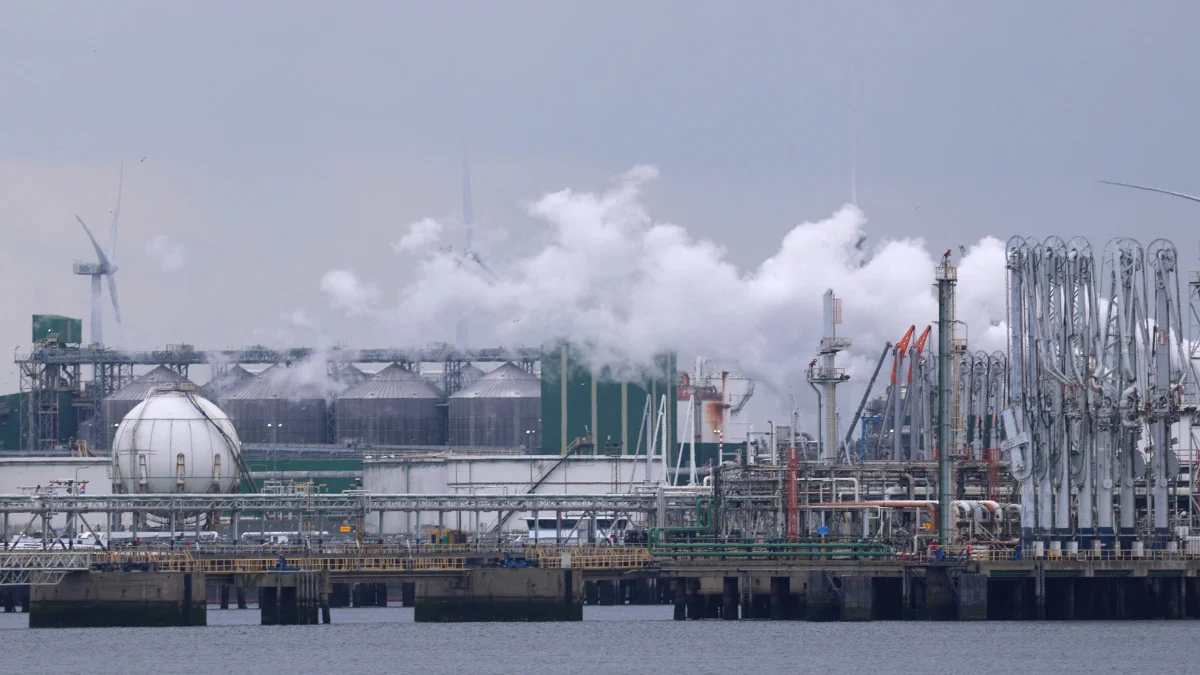
Natural gas prices in Europe rose on Nov. 23. Rising tensions in the Middle East and forecasts of colder weather have increased concerns about supplies during the winter months, AnewZ reported.
The price of the Dutch TTF futures contract, Europe’s main wholesale gas benchmark, climbed 3.1% to 91.195 euros ($100.02) per megawatt-hour, according to Investing.com. Prices have risen 7.55% over the past week and 38.31% over the past three months.
Gas storage across the European Union has fallen to about 69% capacity, according to Investing.com. As heating demand rises, this leaves the region more vulnerable to supply disruptions.
Middle East tensions raise supply concerns
Rising tensions in the Middle East have heightened concerns that energy shipments through the Persian Gulf, including supplies from one of the global market’s major liquefied natural gas (LNG) suppliers, could be disrupted.
Attacks on energy infrastructure and commercial vessels near the Strait of Hormuz have raised questions about the reliability of future supplies, Investing.com reported.
The Strait of Hormuz is an important route for global energy trade, including LNG exports from Qatar. A prolonged halt to shipments could intensify competition for alternative gas supplies and push prices in Europe higher.
With reserves below the typical level for this time of year, Europe has limited capacity to meet a sudden supply shortfall, particularly during periods of peak demand.
Colder weather adds pressure to gas market
Forecasts of falling temperatures in northwestern Europe have added pressure to the gas market as heating demand rises during the winter season.
Colder weather increases natural gas demand for heating homes and generating electricity, leading to faster withdrawals from storage.
If freezing conditions persist and energy shipments from the Middle East are disrupted, Europe’s gas reserves could come under greater pressure.
Governments and energy companies must secure supplies throughout the winter while seeking to limit the impact of rising prices.
The future direction of European gas prices will depend on how severe the winter is, how quickly storage reserves decline and whether further disruptions affect energy shipments from the Persian Gulf.
The main task for European governments and energy companies is to maintain sufficient reserves throughout the winter while accounting for the risk of further price increases. Wholesale gas prices will be shaped by winter temperatures, the rate of storage withdrawals and events affecting energy shipments from the Persian Gulf.