OMM Newsroom
The closure of a pipeline carrying crude from Sharara, Libya’s largest oil field, is expected to cut production by about 350,000 barrels a day, the state-run National Oil Corporation (NOC) said on Monday, according to Anadolu Agency.
The NOC said a group it described as acting outside the law had shut a valve on the pipeline. A separate shutdown on the Hamada pipeline was already reducing output by about 15,000 barrels a day, taking the expected combined loss to 365,000 barrels a day.
The combined reduction would equal about 26% of Libya’s average crude production in October. The country produced 43.47 million barrels that month, or about 1.4 million barrels a day, according to NOC figures.
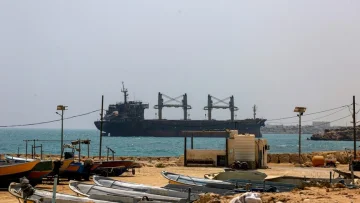
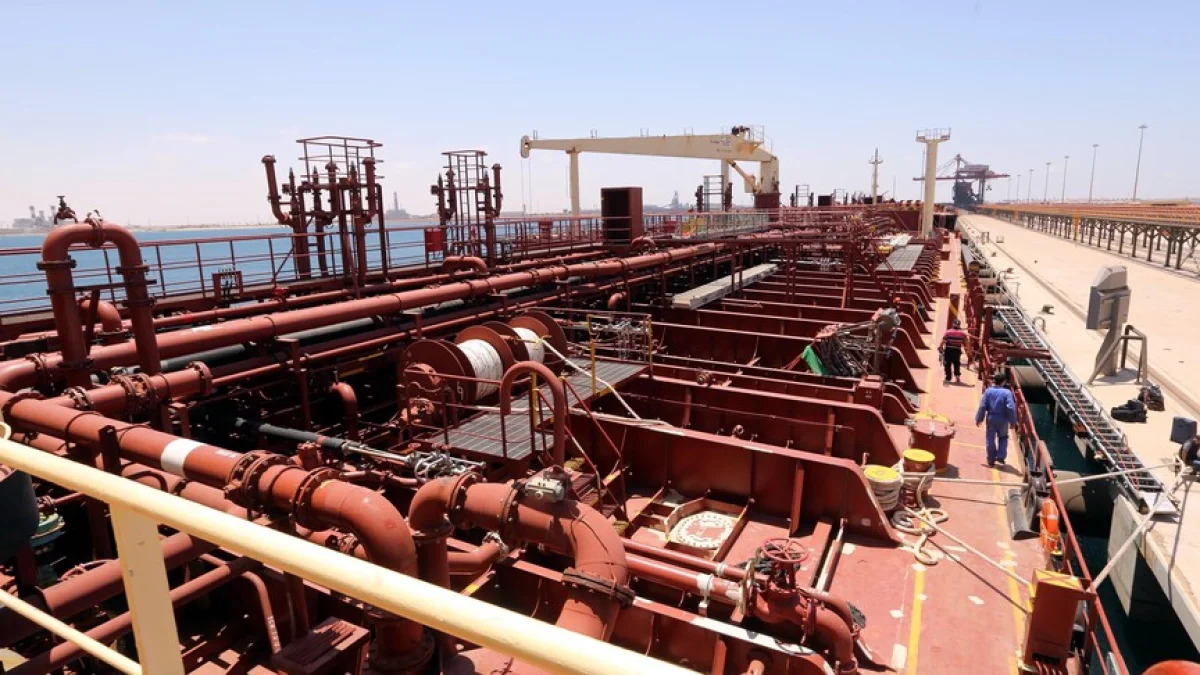
Sharara, in southwestern Libya, supplies a coastal storage terminal at Zawiya. The terminal serves a local refinery and tankers that load crude for export. Akakus Oil Operations runs the field on behalf of the NOC and four international partners: Spain’s “Repsol”, France’s “TotalEnergies”, Austria’s “OMV” and Norway’s “Equinor”.
Output at Sharara reached about 335,000 barrels a day in August. That month, the NOC and Akakus discussed plans to increase production to about 355,000 barrels a day by mid-2027.
A previous shutdown on the same pipeline disrupted refining in September. After an armed group closed a valve on Sept. 21, the NOC took one of the Zawiya refinery’s two units offline to keep the other operating. Crude flows resumed on Sept. 26.
The NOC first reported the separate Hamada pipeline closure on Oct. 30. By Saturday, it estimated that the shutdown had cost Libya 302,778 barrels of crude, valued at $30.8 million, excluding fixed operating costs at the affected fields.
The NOC’s board called on the Petroleum Facilities Guard and government authorities to help reopen both pipelines. It said it would take legal action against those responsible for the Sharara shutdown.