 OMM Redaksiyası

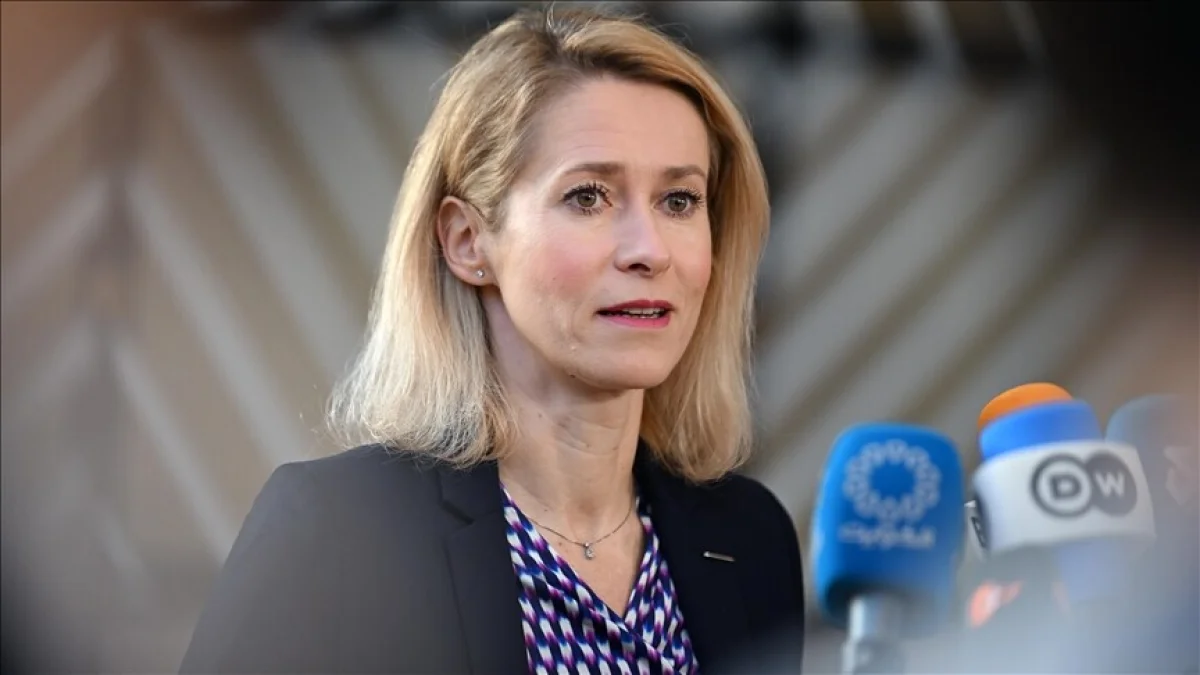
EU foreign policy chief Kaja Kallas has called for the International Criminal Court (ICC) to be protected, warning that the institution is facing “immense pressure” and that efforts to influence the court and its judges raise questions about commitment to the international legal order.
Speaking at a UN General Assembly side event on humanitarian diplomacy and international humanitarian law, Kallas said the EU supported existing mechanisms for upholding international humanitarian law, including domestic courts, the International Court of Justice and the ICC.
Accountability is central to international law
“Accountability is a key part of upholding international humanitarian law,” Kallas said. She argued that pressure on the ICC was not limited to the court itself, but also affected the post-World War II legal order.
“The ICC is the world's promise that victims of the gravest international crimes will not be forgotten because accountability has become politically inconvenient. We must protect it,” she said.
Kallas said international law was not the main problem, warning that “impunity breeds impunity”. She identified three ways to strengthen accountability: defending existing judicial mechanisms, creating new ones where current institutions fall short, and ensuring that cases can be properly prepared.
Calls for evidence to be preserved in Gaza
She cited the Nuremberg and Tokyo trials, tribunals for the former Yugoslavia and Rwanda, and the Special Tribunal for the Crime of Aggression against Ukraine as examples of mechanisms created to pursue accountability.
The EU official also highlighted EU-backed efforts to document alleged war crimes in Syria and a UN-led investigation into Afghanistan.
In Gaza, she said it was essential to preserve evidence of potential war crimes as efforts to clear rubble begin.
“Be it in Syria, Afghanistan, Gaza, or anywhere in conflict, accountability cannot be selective or else the entire system is called into question,” Kallas said, according to the UN General Assembly event proceedings.