OMM Redaksiyası

The number of confirmed Ebola cases in the Democratic Republic of Congo (DRC) has exceeded 4,000.
According to the Operative Information Center-OMM, international media reports indicate that experts are concerned about potential mutations in the virus.
The Africa Centres for Disease Control and Prevention (Africa CDC) has announced the end of the phased response period, elevating the epidemic response plan to the highest level. The current outbreak is driven by the Bundibugyo strain of the Ebola virus. While the first official case was recorded on May 15, experts do not rule out that the disease may have begun spreading as early as January.
As of August 4, the country has recorded 3,973 cases and 1,801 deaths. Africa CDC Director-General Dr. Jean Kaseya confirmed at a press conference that the number of confirmed infections has now surpassed 4,000. This is currently considered the second-largest Ebola epidemic in history.
Statistics show that compared to the 11th week of the 2014-2016 West African epidemic—which infected over 28,000 people and claimed more than 11,000 lives—the current outbreak has seen eight times more infections and six times more deaths.
Dr. Kaseya stated that he has discussed the matter with World Health Organization Director-General Dr. Tedros Adhanom Ghebreyesus, and scientific studies will be conducted to determine if the virus has mutated. "This epidemic caused by the Bundibugyo strain is unprecedented in its severity," Kaseya emphasized.
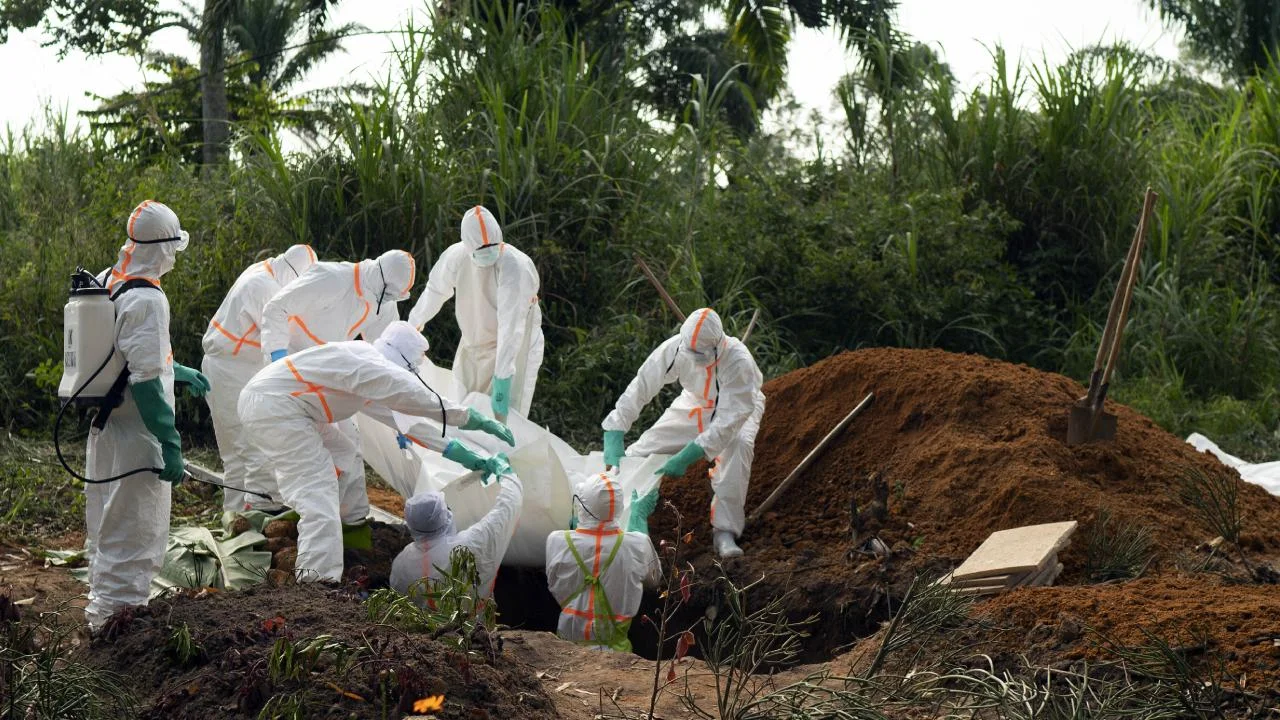
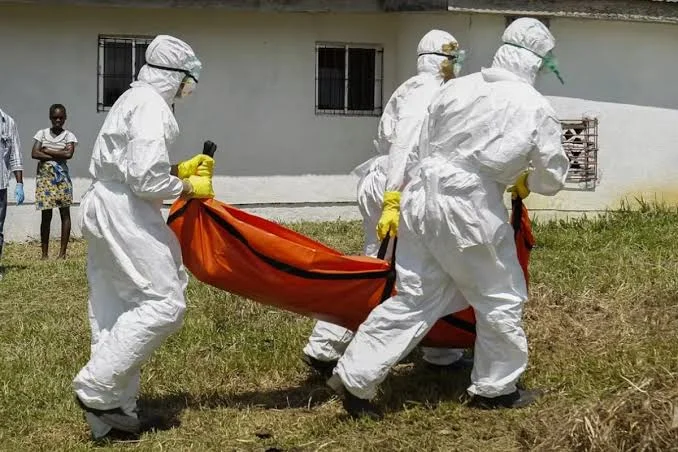
Reports indicate that more than two-thirds of Ebola-related deaths occur within communities rather than in treatment centers. In the city of Bunia, the capital of Ituri province, it was found that 90 percent of patients admitted to a treatment center run by Doctors Without Borders were not on official contact lists, indicating a widespread, uncontrolled chain of transmission.
Kaseya added that contact tracing in the country faces severe challenges. While an average of 40 contacts should be identified for every Ebola patient, currently only 10 are being tracked.
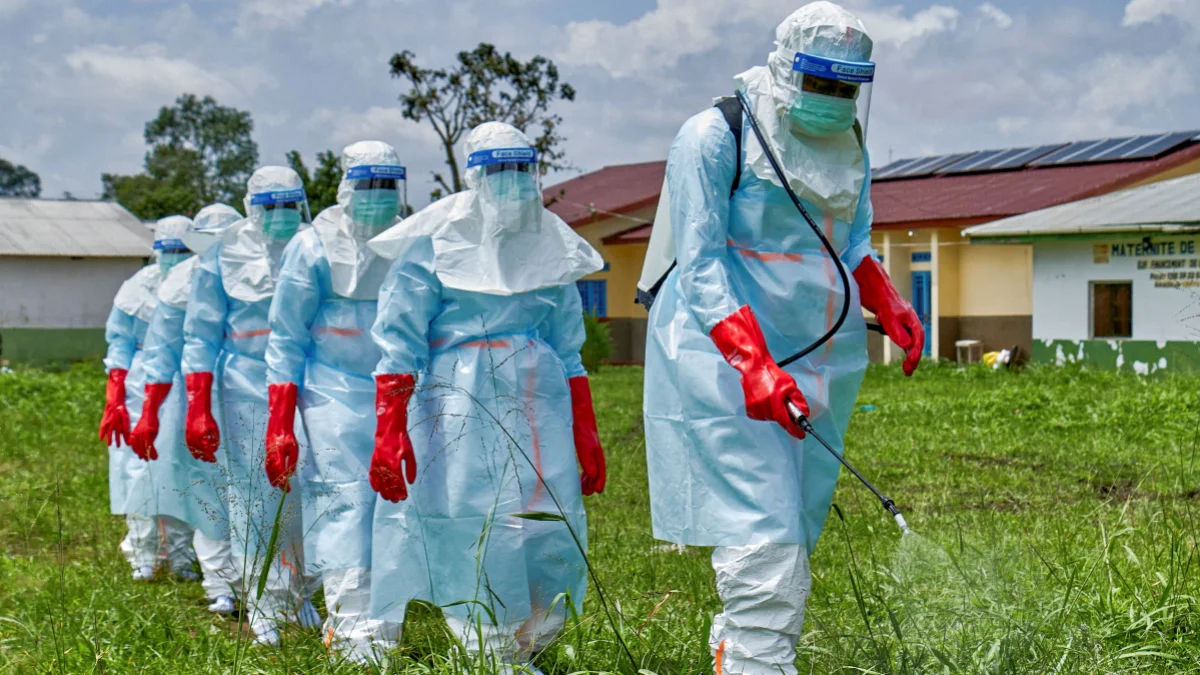
The Ebola virus, which causes vomiting, diarrhea, internal bleeding, and organ damage, has primarily spread in Ituri province, an area marked by armed conflict and mining activities. The disease has subsequently spread to North Kivu, South Kivu, Haut-Uele, and Tshopo provinces. In neighboring Uganda, 20 cases were recorded before the outbreak was brought under control.
Dr. Wessam Mankula, interim head of Emergency Preparedness and Response at Africa CDC, stated that the strategy for combating the epidemic will change. In addition to contact tracing, health workers will conduct door-to-door visits to identify individuals showing symptoms of Ebola.
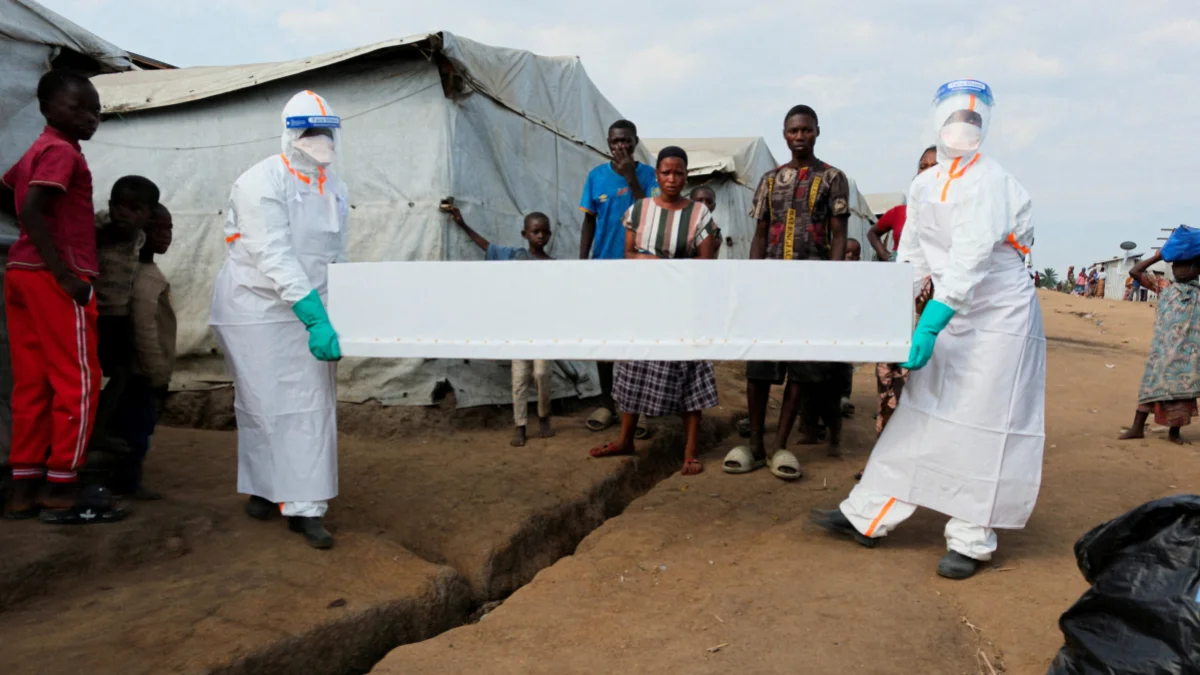
Dr. Kaseya announced the implementation of a new village-centered action plan that includes local communities, digital tracking tools, and measures for internally displaced persons camps.
Authorities have also announced the humanitarian use of the antiviral drug Remdesivir. Preliminary results suggest that the Ervebo vaccine, registered against another Ebola strain, may also alleviate the course of the Bundibugyo strain, with no deaths recorded among vaccinated individuals; its application in the region will be tested.
Furthermore, DRC authorities have launched an investigation into a suspicious Ebola death on a boat traveling from the northeast to the capital, Kinshasa. Other passengers on the boat have been quarantined and will undergo laboratory testing.
UNICEF has expressed serious concern regarding the indirect effects of the epidemic, noting that fear of infection and disruptions in health services have led people to avoid medical facilities. In Mongbwalu, the epicenter of the epidemic, the first-dose measles vaccination rate among children has dropped by 69 percent.