 Afət Ziyadqızı

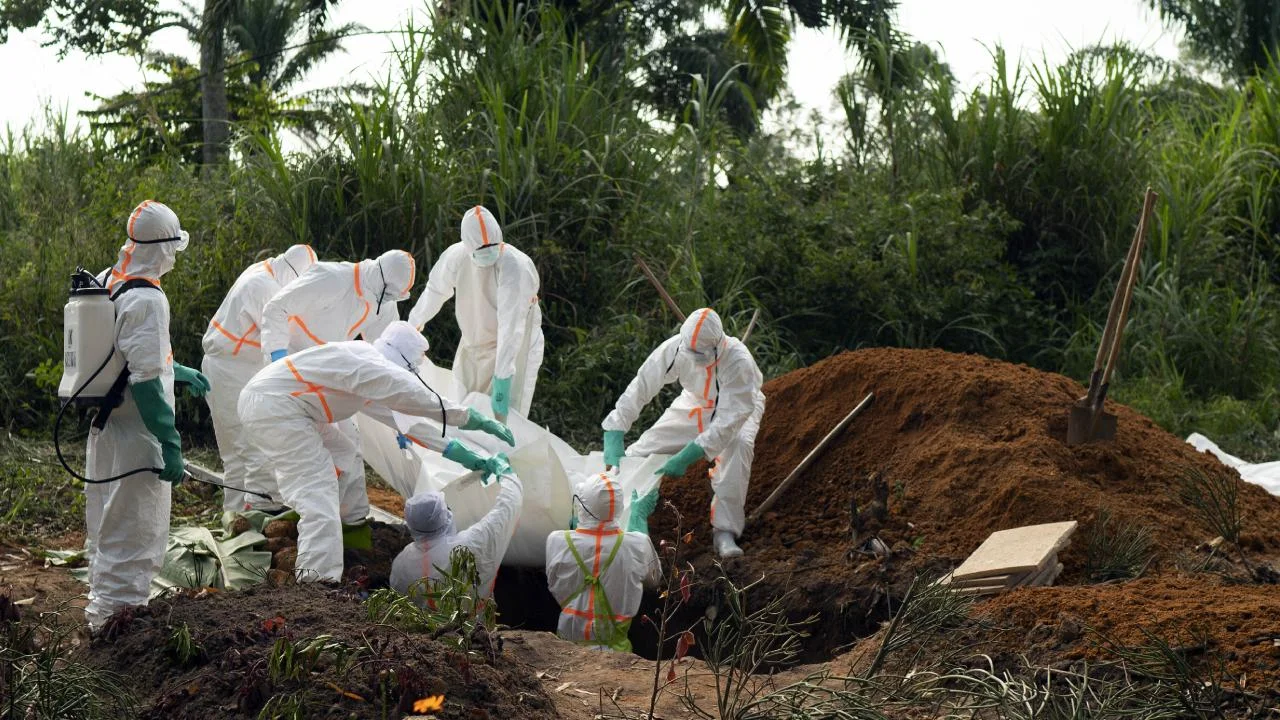
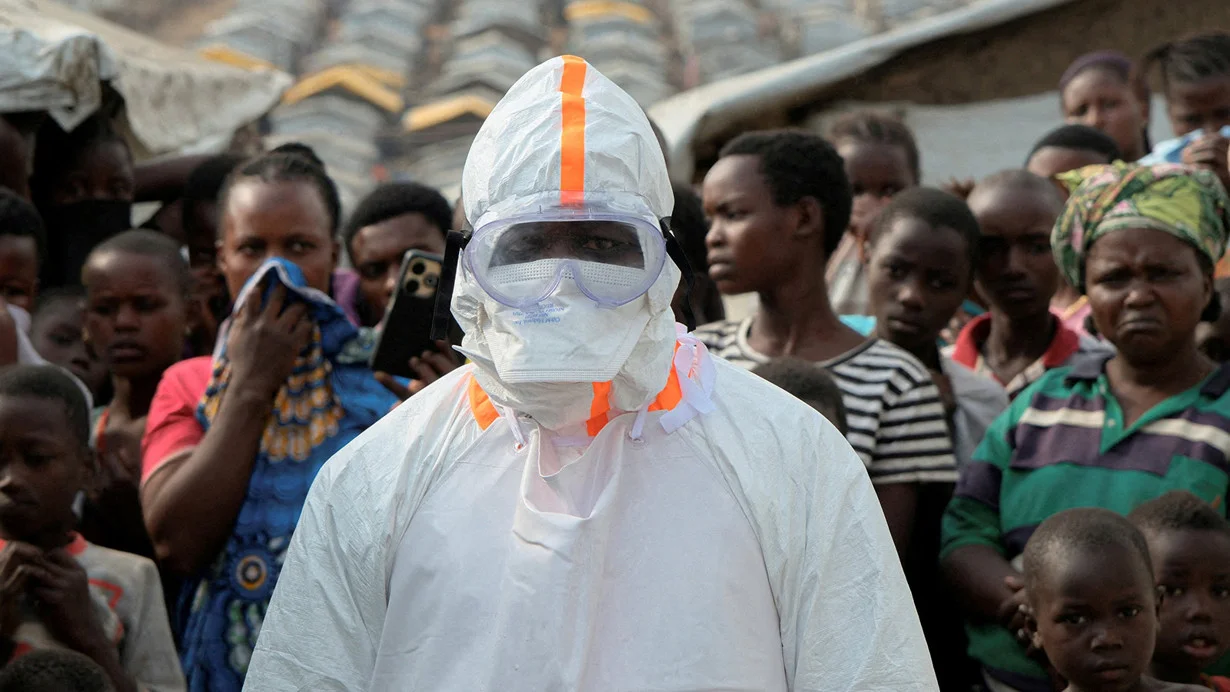
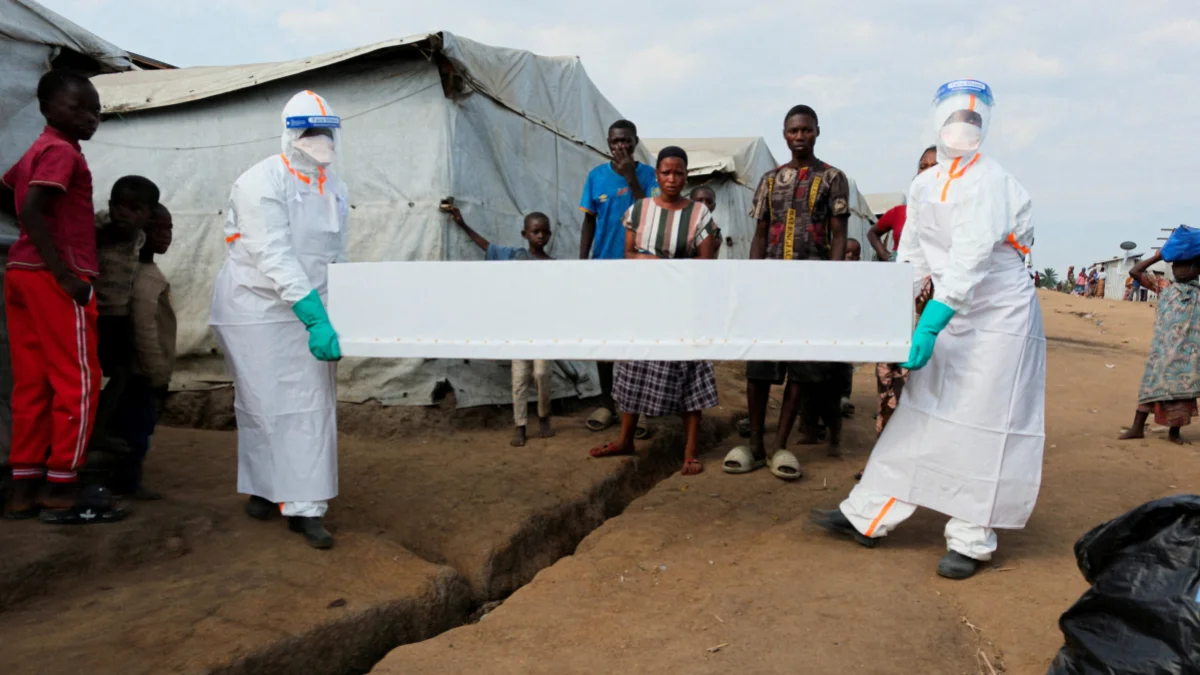
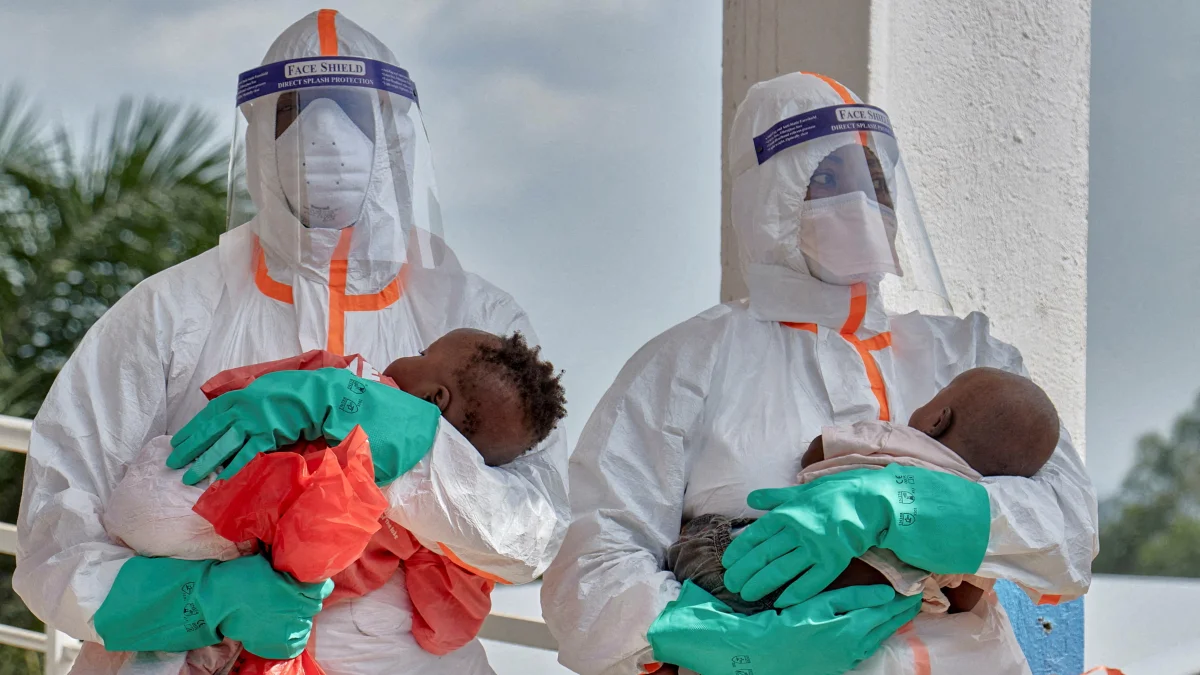
The Ebola epidemic in the Democratic Republic of the Congo (DRC), which began in May, has reached a critical stage, according to recent health reports.
The Operative Information Center-OMM reports that the World Health Organization (WHO) has issued a formal update regarding the situation. According to the latest report published on August 2, the spread of the rare "Bundibugyo" strain of the virus has been confirmed.
Data indicates that 3,626 cases of the Ebola virus have been identified, resulting in 1,589 fatalities. Of the total infections, 3,605 cases were recorded in the Democratic Republic of the Congo, 20 in Uganda, and one case in France, raising concerns about international transmission.
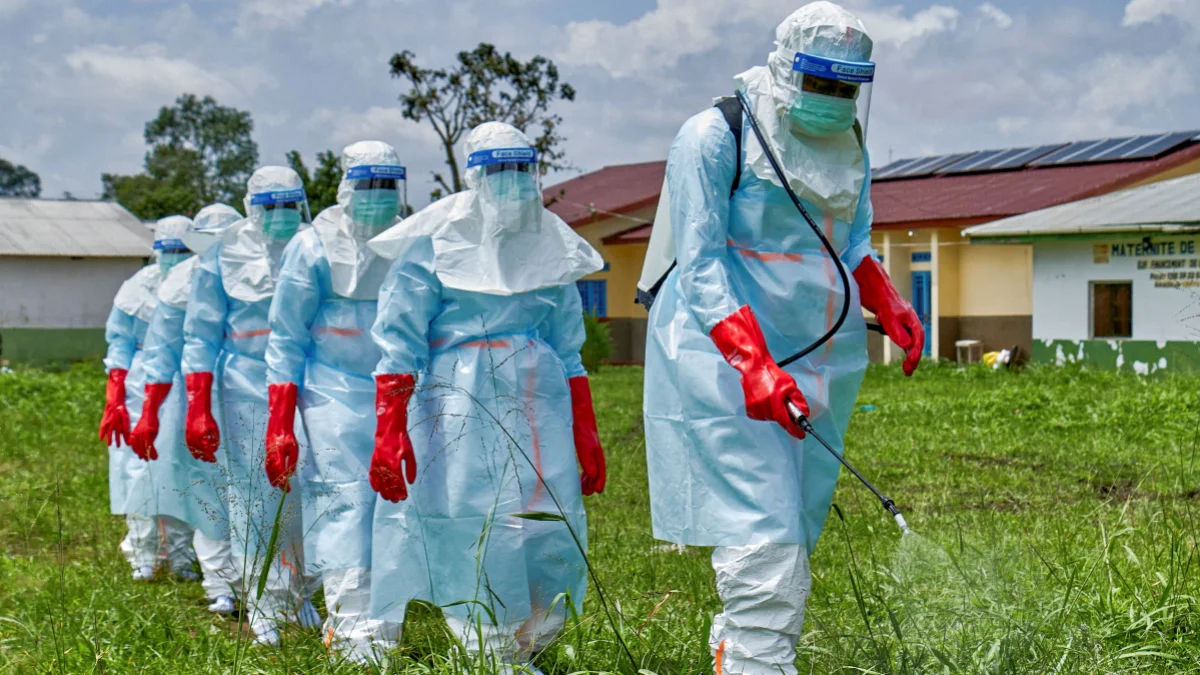
Health authorities have announced that preventive and epidemiological measures are being intensified to curb the further spread of the virus. Ebola virus disease (EVD) is a severe, often fatal illness in humans, characterized by sudden onset of fever, fatigue, muscle pain, headache, and sore throat, followed by vomiting, diarrhea, rash, and symptoms of impaired kidney and liver function. Given its high mortality rate, international health bodies prioritize rapid containment and vaccination efforts to prevent regional outbreaks from escalating into global health emergencies.