OMM Newsroom
An agreement on a final deal has drawn closer at the UN climate talks in Türkiye. Australia and Türkiye, which are presiding over COP31, presented a new package on November 22 aimed at securing consensus on advancing efforts to combat global warming, AnewZ reported.
The revised draft agreement was released two days after the conference was scheduled to conclude in Antalya. If approved, it would acknowledge for the first time that global warming is on course to exceed the 1.5°C threshold countries are seeking to protect. The draft also calls for faster development of technologies to remove carbon from the atmosphere and later reverse the overshoot.
Draft makes no explicit mention of fossil fuels
The text does not refer to fossil fuels, which drive climate change. The issue has been one of the main points of disagreement in the talks. Instead, the draft includes wording referring to an earlier COP decision in which governments agreed to transition away from oil, gas and coal.
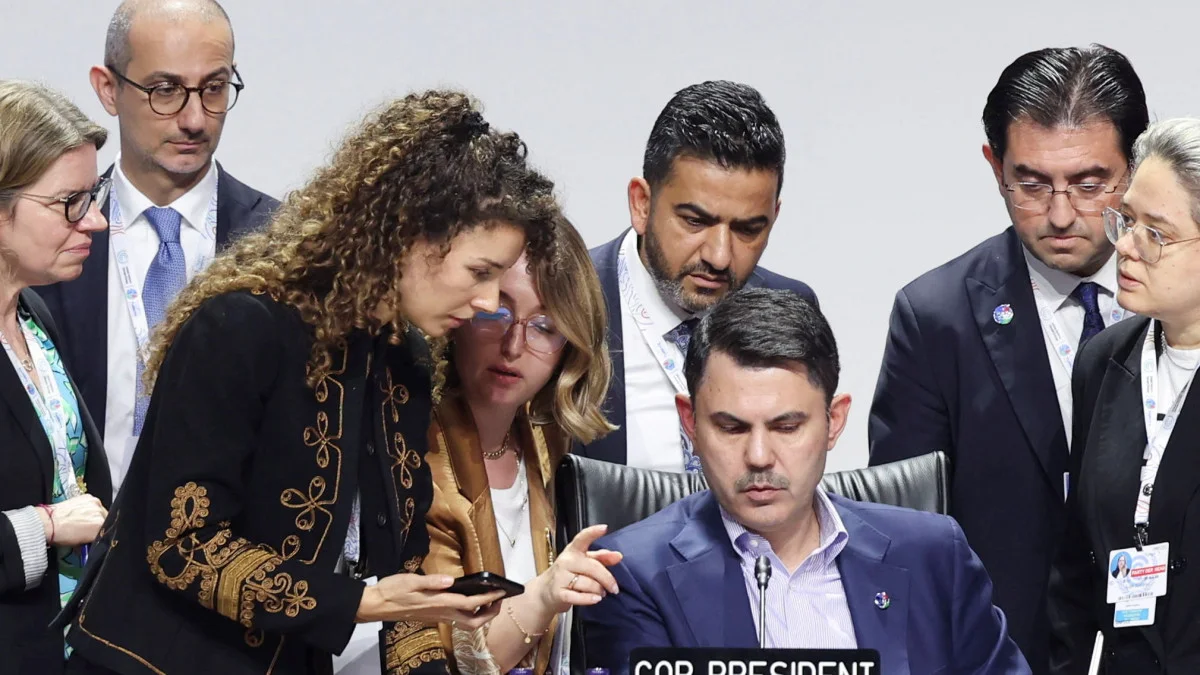
“We believe we have put forward a text that all parties can agree on,” COP31 President Murat Kurum said at a plenary session on Sunday morning. He said the conference would reconvene in the morning to approve the agreement.
Environmental group 350.org expressed dissatisfaction that the draft does not explicitly mention fossil fuels and promotes carbon removal technologies. Referring to the practice of capturing carbon dioxide before it reaches the atmosphere, the group’s campaigns and networks director, Sara Shaw, said: “Carbon capture is one of the biggest scams of the overshoot era, and our leaders are about to fall for it.”
Shaw said the draft paves the way for more fossil fuel production. People following the closed-door talks said Saudi Arabia and other major oil-producing countries had put strong pressure on negotiators to keep fossil fuels out of the text while including carbon removal. A representative of the Saudi delegation declined to comment.
Time set aside for objections to the draft
The new text was drawn up after intensive consultations involving Australia, host Türkiye and about 200 delegations representing some of the world’s richest, poorest, largest and smallest countries. The presidency gave delegations several hours to raise objections to the agreement. A meeting to begin the approval process was scheduled for 10:00.
With Türkiye’s backing, Australia faced the task of finding an agreement that reconciled the needs of countries most vulnerable to climate change with the interests of countries whose economies depend on producing or consuming fossil fuels.
This year’s COP is the first conference since a UN environmental agency confirmed that global temperature rise will exceed 1.5°C. Countries agreed more than a decade ago to try to keep warming below that threshold; exceeding it intensifies the impacts of extreme weather events.