Azerbaijan’s main approach is not merely to extract raw materials, but to process more of them domestically and create higher added value.
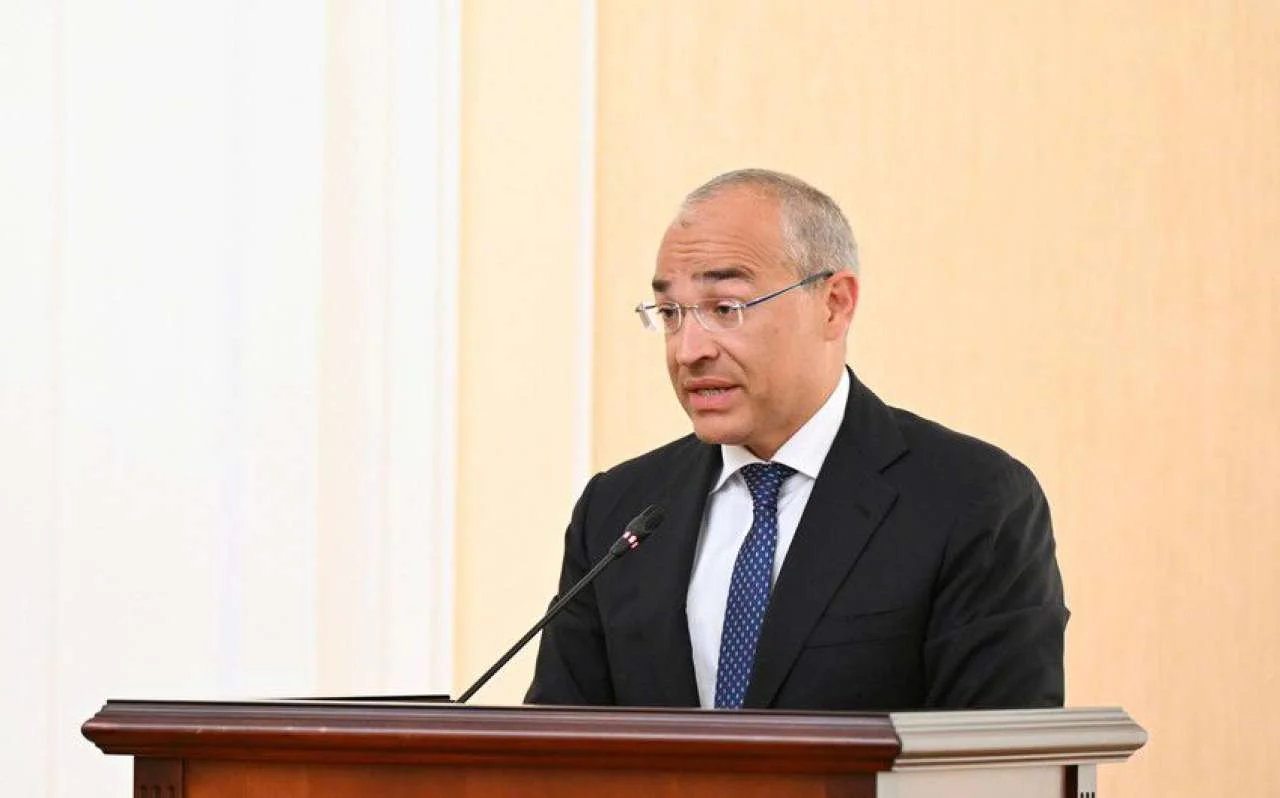
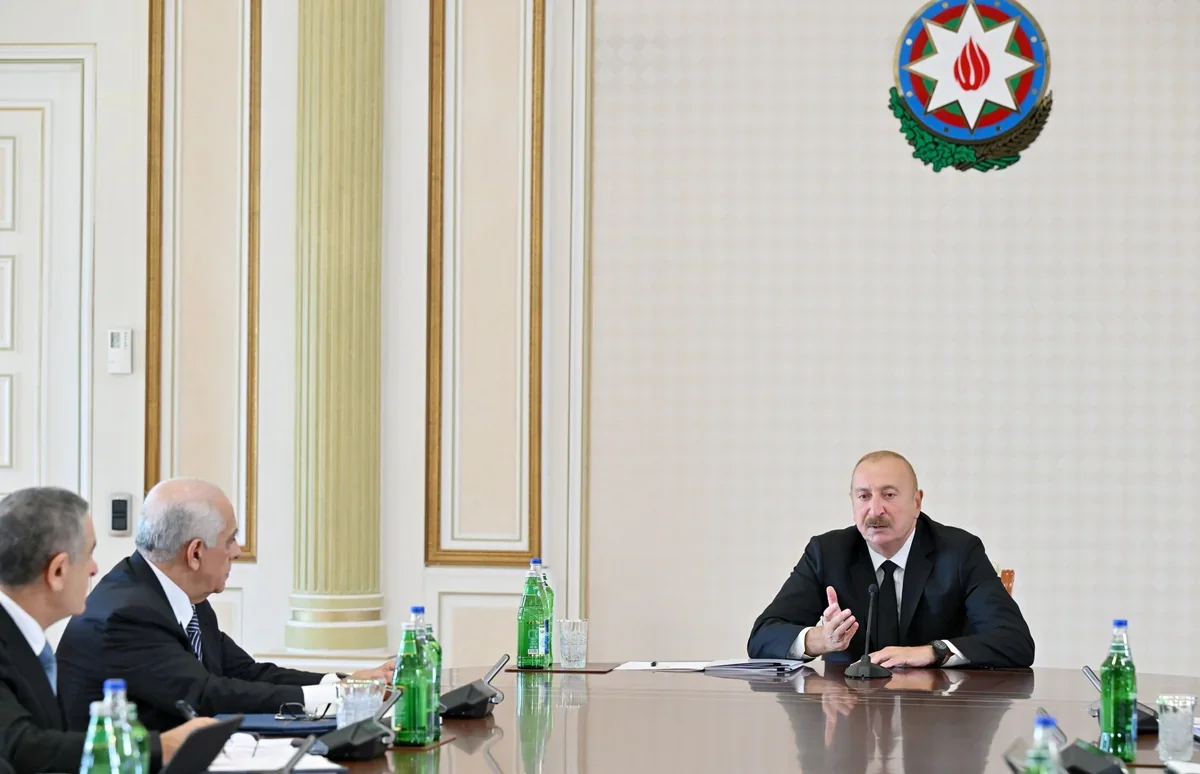
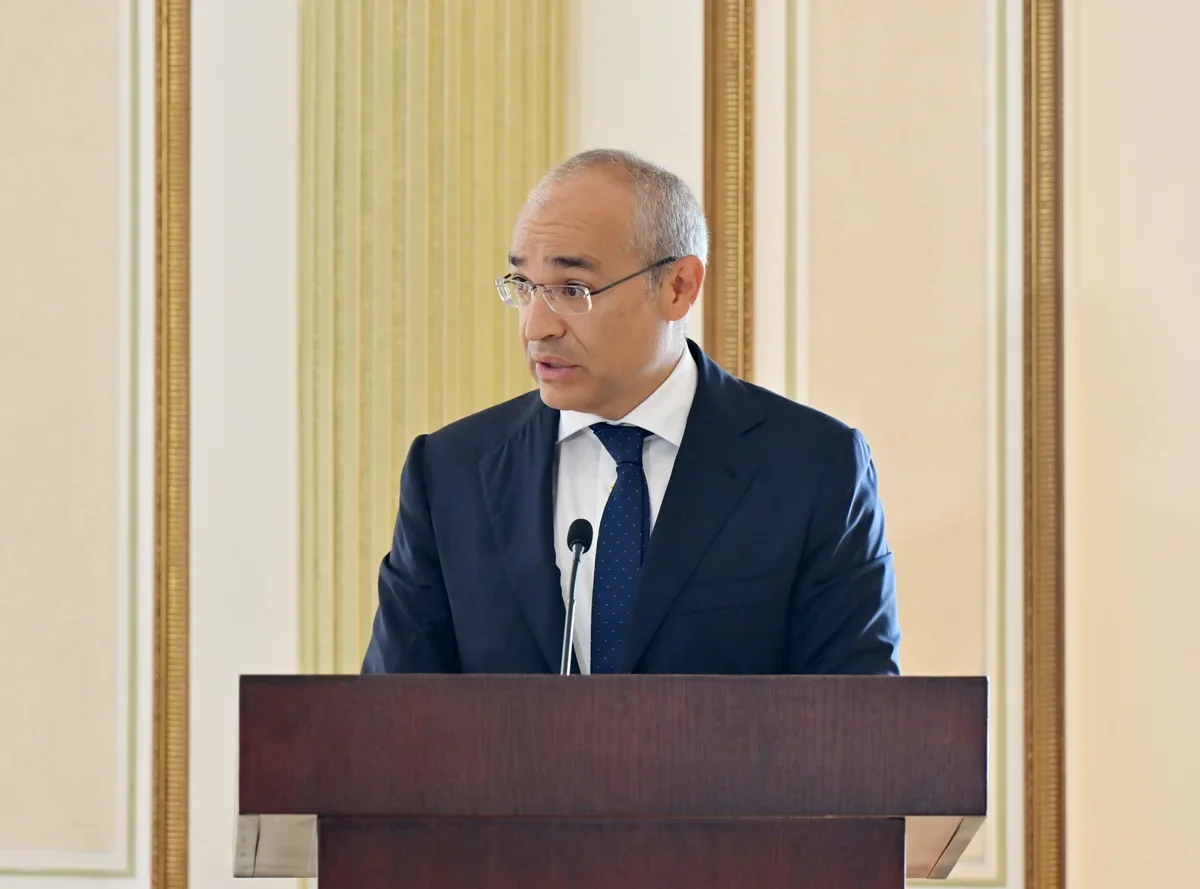
Operative Information Center-OMM reports that Economy Minister Mikayil Jabbarov made the remarks at a meeting chaired by President Ilham Aliyev dedicated to the “State Program on the development of the mining (metal ores) and metallurgical industries in 2027-2030.”
According to him, implementation of the program will create significant opportunities to expand production and export potential, substitute imports, establish new industrial chains and increase the sector’s competitiveness: “The impact of this Program will not be limited to the mining and metallurgical sectors. As production increases, demand for freight transportation and logistics services will grow, creating new opportunities for local contractor and supplier companies. The expansion of the domestic raw material and semi-finished product base will facilitate the formation of new industrial sectors. Demand for skilled personnel will increase. This will accelerate the development of technical knowledge and skills and contribute to our scientific potential. Most importantly, employment and economic activity in the regions will increase. New value chains will also create additional opportunities for private investment and entrepreneurship.”
Jabbarov noted that the proposed State Program aims to ensure more efficient use of Azerbaijan’s mineral resources and bring the mining, metal ore and metallurgical industries to a new stage.
He stressed that the Ministry of Economy would mobilize all its resources to ensure the successful implementation of the State Program and the timely, coordinated and high-quality execution of related instructions. The ministry will pursue consistent and targeted efforts to make the mining and metallurgical industries reliable pillars of Azerbaijan’s economic development.
The program’s focus on domestic processing is intended to increase the value generated within Azerbaijan, while broader industrial links could support exports, logistics, regional employment and the development of specialized skills.