OMM Redaksiyası

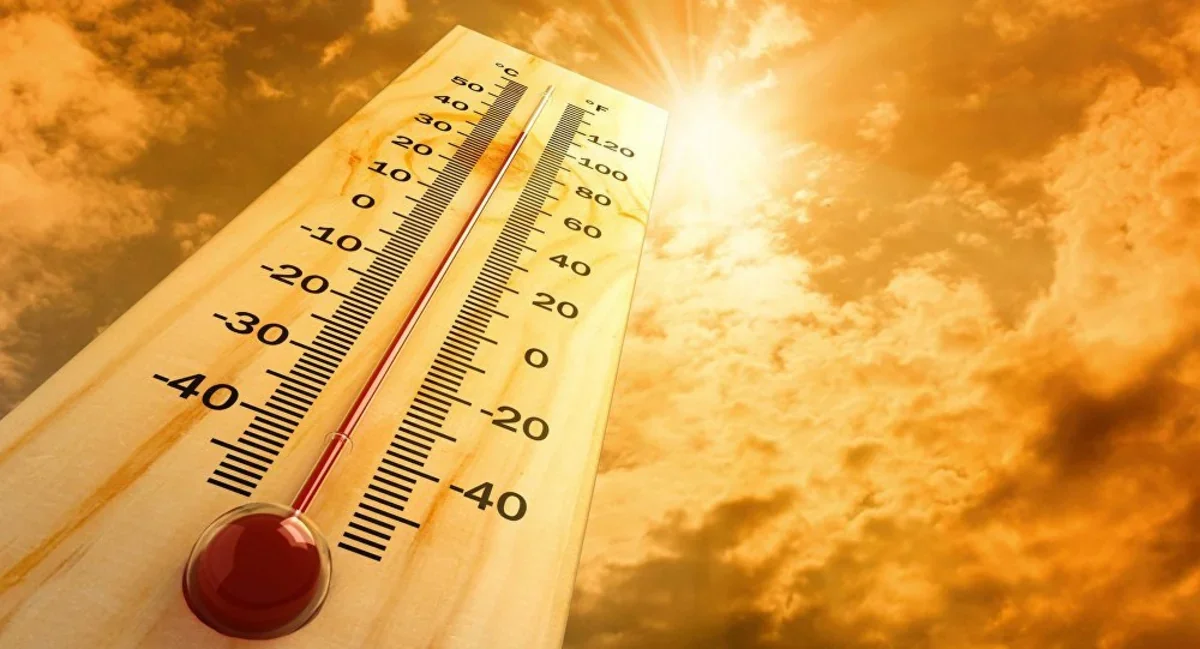
August 2026 was the hottest month ever recorded globally. According to the European Union’s Copernicus Climate Change Service, the average temperature during the month was 1.65°C above the 19th-century pre-industrial level.
August 2026 tied July 2023 for the record-high global average temperature. It was the first time since November 2025 that global temperatures had risen more than 1.5°C above pre-industrial levels.
Under the 2015 Paris Agreement, nearly 200 countries agreed to pursue efforts to limit long-term global warming to 1.5°C. However, exceeding that threshold for a single month does not mean the agreement’s long-term target has already been breached.
Extreme weather events increase
The record heat coincided with a series of extreme weather events and climate-related disasters in different parts of the world. Scientists say climate change may have influenced conditions that contributed to deadly landslides and flash floods in Nepal and Tibet. However, the precise role of warming is still being investigated.
Wildfires spread across countries ranging from Indonesia to Greece and Belgium. Severe drought was reported in Hungary and Romania. Western Europe recorded its hottest summer on record, while a sharp decline in river levels and soil moisture placed additional pressure on farmers already affected by repeated heatwaves.
Samantha Burgess of the European Centre for Medium-Range Weather Forecasts said climate change was no longer a distant and abstract concept, but was disrupting people’s daily lives. She cited melting roads, deformed railway lines, school closures, increased pressure on hospitals and record wildfires as examples of Europe’s vulnerability to rising temperatures.
Oceans also record record heat
Warming has also affected the world’s oceans. Excluding the polar regions, ocean surface temperatures reached a level equal to the highest recorded for any month.
The El Niño weather phenomenon developing in the tropical Pacific contributed to the record temperatures. El Niño is forecast to strengthen in the coming months and could push temperatures even higher on a planet already warming because of the burning of coal, oil and gas.