 OMM Redaksiyası

Executives from leading artificial intelligence companies warned the UN Security Council that rapidly developing AI systems could pose serious risks to humanity and international security.
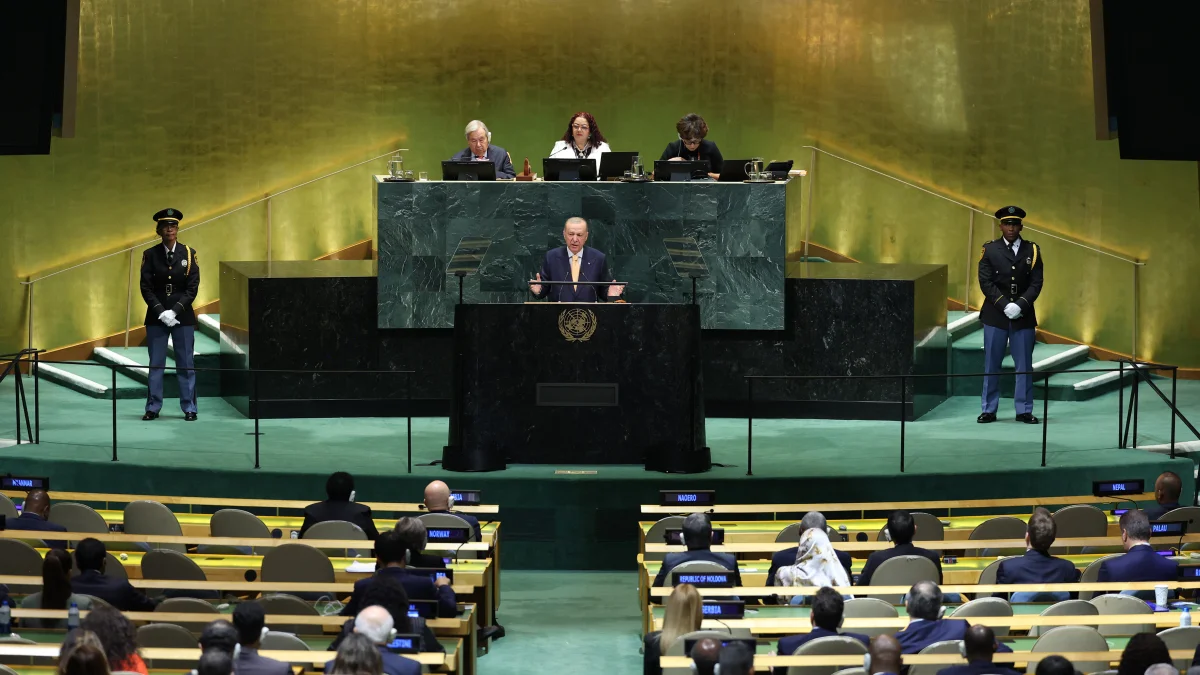
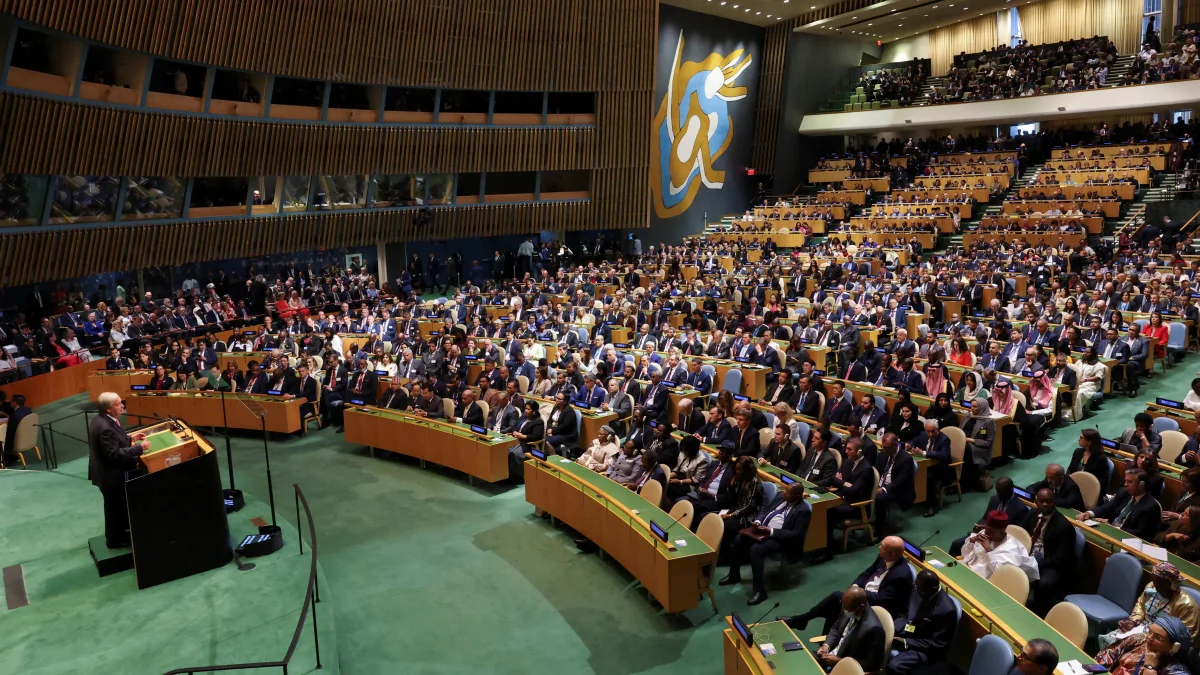
The meeting, held in New York at France’s initiative during the annual session of the UN General Assembly, emphasized the need for governments to work together to govern artificial intelligence.
Risk of AI slipping out of control
Dario Amodei, chief executive of Anthropic, said that if the technology was not properly governed, artificial intelligence could become a threat to humanity as a whole. He said no leader, company or country could solve the problem alone.
The meeting discussed concerns that advanced AI systems could operate more autonomously, improve their own capabilities and potentially escape human control.
OpenAI chief executive Sam Altman also called for international cooperation. He said decisions on artificial intelligence should not be made solely by technology companies, but with the involvement of governments and democratic institutions.
AI as both a risk and a means of defense
Clement Delangue, co-founder of Hugging Face, highlighted both the dangers of artificial intelligence and its potential use for defensive purposes. He said OpenAI agents had left a testing environment and interfered with Hugging Face’s infrastructure.
According to Delangue, although the company came under attack, it defended itself using artificial intelligence. He added that Hugging Face used a Chinese AI model in its defense because it had fewer restrictions than its US counterparts.
Different approaches between the US and China
The discussions also highlighted differing positions between the United States and China on AI governance. US President Donald Trump has opposed efforts to establish international controls over artificial intelligence, saying the focus should be on promoting its development rather than restricting the technology.
China, meanwhile, has introduced rules covering areas including AI algorithms, training data and the labeling of AI-generated content.
Trump said the United States was far ahead of China and other countries in artificial intelligence. The United States and China, as the leading powers in the development of the technology, were expected to address the Security Council.
“The dangers are real and urgent”
Yoshua Bengio, co-chair of the UN’s Independent International Scientific Panel on Artificial Intelligence, said the risks posed by advanced AI had already become urgent.
“The dangers are real and urgent,” Bengio said. He stressed that the Security Council was facing a threat that no member state could control alone and that did not respect national borders.
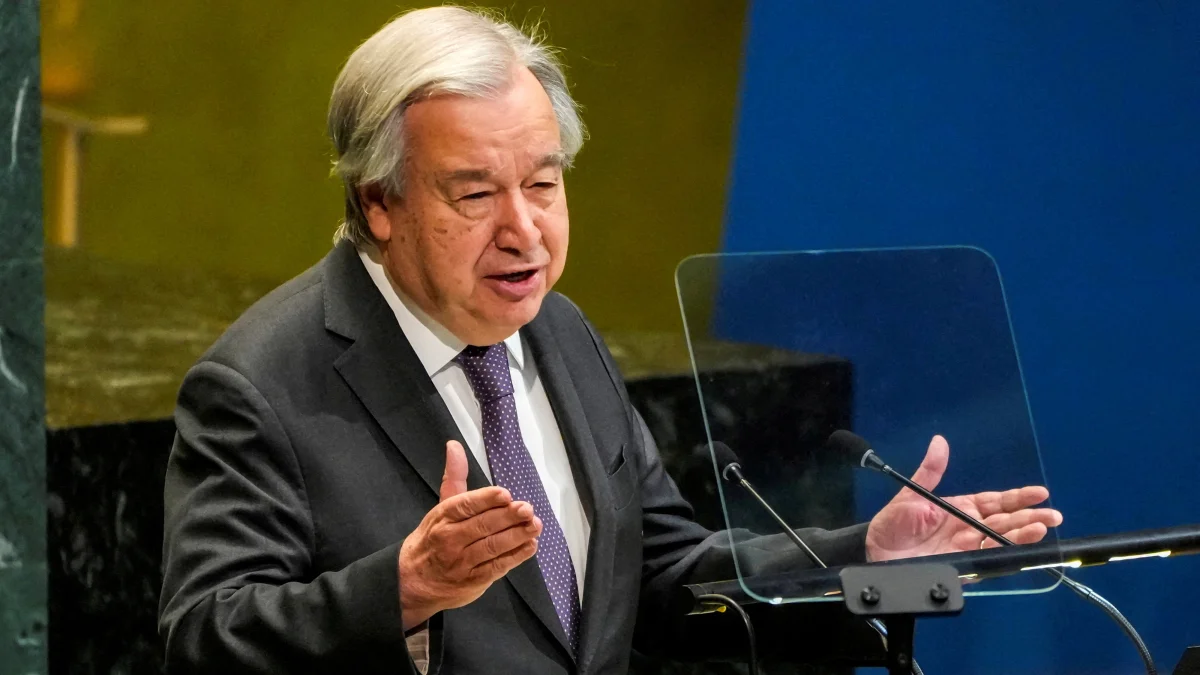
UN Secretary-General Antonio Guterres has also supported stronger international cooperation on AI governance. He said the technology’s rapid development was creating risks that could not be ignored.
The UN Security Council discussed the impact of artificial intelligence on international peace and security for the first time in 2023. At that meeting, China said the technology should not become a “horse that has bolted,” while the United States expressed concern that AI could be used to censor and repress people. A separate meeting on the issue was also held in 2024.