 OMM Redaksiyası

According to the World Health Organization (WHO), cholera deaths in 2025 reached their highest annual level since 1999.
Last year, 451,499 cholera cases and 7,870 deaths were reported in 47 countries. The increase in fatalities highlighted persistent problems with access to health services, clean water and sanitation.
Deaths increased despite decline in reported infections
The WHO said the number of deaths rose by about 30% compared with the previous year. At the same time, the number of reported infections declined. The organization said the actual figures could be higher because diseases are not fully monitored and data remains incomplete in many countries.
Chikwe Ihekweazu, executive director of the WHO Health Emergencies Programme, described the situation as concerning. He said: “No one should die from cholera today, because we have the means to prevent and treat this disease.”
According to the organization, more than one-fifth of reported cholera deaths occurred outside health facilities. This indicates that many patients did not reach treatment centers or sought life-saving care too late.
Africa faced the most severe situation
Africa accounted for the largest share of the cholera burden in 2025. The number of reported infections on the continent increased by 34% from the previous year, while deaths rose by 58%.
Approximately 90% of cholera cases and deaths worldwide were recorded in seven countries:
- Angola;
- Bangladesh;
- Democratic Republic of the Congo;
- Nigeria;
- South Sudan;
- Sudan;
- Yemen.
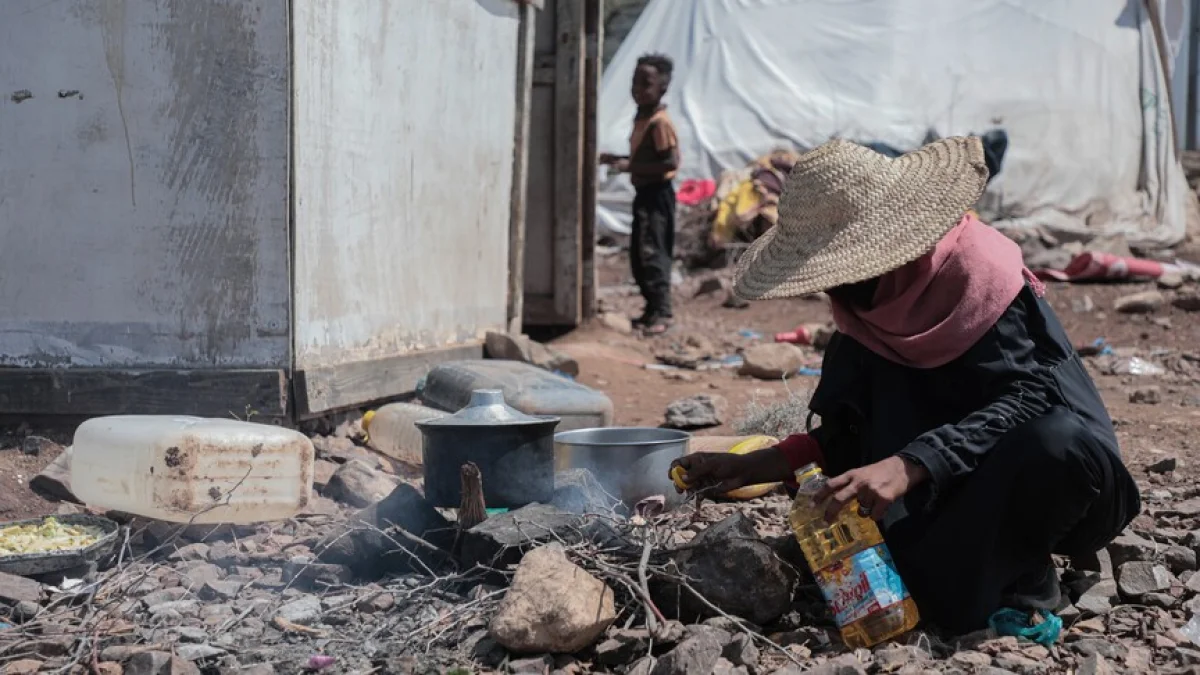
In several of these countries, conflict, displacement, economic difficulties and climate-related problems limit access to health services and clean water.
Cholera is primarily caused by inadequate sanitation, contaminated drinking water, overcrowding and poor hygiene. The disease is caused by the “Vibrio cholerae” bacterium and is usually spread through contaminated food and water.
Why does cholera remain deadly?
Cholera can cause severe diarrhea and dehydration. If left untreated, the disease can lead to death within hours. Most infected people develop mild symptoms or no symptoms at all. However, some cases progress to severe and life-threatening illness.
The WHO estimates that 1.3 million to 4 million cholera infections occur worldwide each year, causing between 21,000 and 143,000 deaths. Timely treatment is highly effective: most patients recover with oral rehydration solutions, while intravenous fluids and antibiotics are used in severe cases.
According to the WHO, annual production of oral cholera vaccines more than doubled between 2022 and 2025, rising from about 30 million doses to 80 million doses. Nevertheless, global demand still exceeds supply, particularly when outbreaks occur simultaneously in several countries.
The WHO emphasizes that universal access to safe drinking water, adequate sanitation and hygiene is the most effective long-term way to prevent cholera. Conflicts, displacement and climate disasters make it more difficult to implement these measures.
Figures on other infectious diseases
The WHO report also outlined the situation regarding other infectious diseases. In 24 African countries, 21,526 suspected meningitis cases and 971 deaths were recorded in 2025 under the meningitis surveillance network.
Vaccination campaigns against meningococcal meningitis have sharply reduced infections caused by serogroup A, which was historically dominant. Cases linked to this serogroup fell by more than 99% among vaccinated populations, and no confirmed infections have been recorded in countries that introduced the vaccine since 2017.
Between 2019 and 2025, 10 countries reported 3,860 suspected plague cases and 423 deaths. Almost all infections were recorded in the Democratic Republic of the Congo and Madagascar.
The WHO’s “Ending Cholera: A Global Roadmap to 2030” strategy aims to reduce cholera deaths by 90% by the end of 2030 and eliminate the disease as a public health problem in up to 20 countries. The sharp rise in deaths in 2025 demonstrates the difficulty of achieving this goal.